Heads up: this guide contains an affiliate link. If you buy through it we earn a small commission at no extra cost to you.
The Vinturi V1020 is the white wine version of the Essential aerator, and that is the first thing most buyers miss. It works, it is cheap, and it is genuinely handy. It is also solving a smaller problem than the red wine model does.
Short verdict: worth the money if you drink a lot of young, tightly wound white wine and cannot be bothered with a decanter. If you mostly drink red, buy the red version instead, or just use a jug.
Table of Contents
What It Actually Is
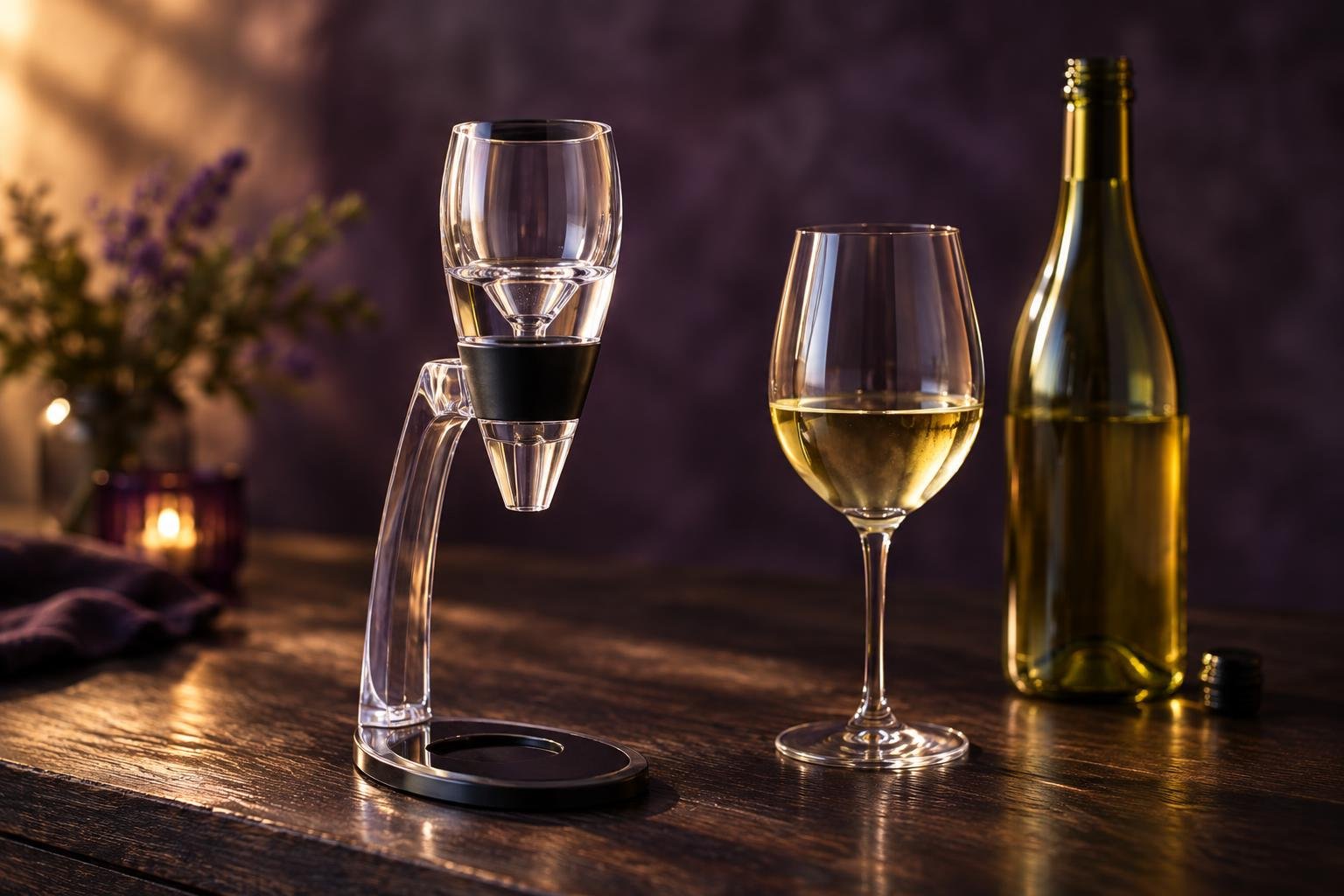
A small acrylic funnel with a silicone grip and a no-drip stand. You hold it over the glass, pour the wine through it, and air gets pulled in through two holes on the sides as the wine speeds up. That is the venturi effect, the same bit of physics that makes a spray bottle work, and it is where the name comes from.
The wine arrives in the glass having met a lot more air than it would from a straight pour. It makes a slurping noise on the way through, which people either love or find faintly rude.

Who It Is For
- People who drink young whites by the glass. A tight, reductive chardonnay or a young chenin often opens up with air, and this does it in two seconds instead of half an hour.
- People without bench space. It washes and stores in the drawer. A decanter does not.
- People who open one glass, not one bottle. This is the real case for any aerator. Decanting a whole bottle for one glass is a waste.
- Gift buyers. It is under fifty dollars, it looks clever, and it does something visible at the table.
How We Judged It
We have not run a blind tasting panel on this one, so we are not going to pretend we did. What follows is based on how the device works, what Vinturi claims for it, and the general evidence on aeration, which is well established: air softens firm tannin and blows off the reductive, struck-match smells that some young wines carry.
That evidence is much stronger for red wine than for white. Whites have little tannin to soften, so the aerator is really only helping with aroma, and only on wines that were closed up to begin with. On an already expressive sauvignon blanc it does close to nothing.
What We Liked
- It is quick. Two seconds a glass, no waiting, no extra washing up beyond the funnel itself.
- The no-drip stand is not a gimmick. Aerators without one make a mess of the bench within a week.
- The sediment screen. Useful if you are pouring something older, though on a white you will rarely need it.
- It is honest about temperature. Unlike a decanter, which warms wine as it sits, this pours and goes, so a properly chilled white stays properly chilled.
What We Did Not
- The model confusion. Vinturi sells a red version and a white version and the listings do not always make it obvious. The V1020 is the white one. Buying the wrong one is the most common complaint.
- The case for whites is thin. On most whites you will notice very little. That is not a fault of the build, it is the physics.
- It is acrylic. It scratches, and it will cloud over time if it goes through a hot dishwasher cycle too often. Rinse it by hand.
- The noise. It gurgles. At a dinner party this is either a talking point or a nuisance, depending on the party.
Alternatives Worth Knowing
The red wine Vinturi. If you drink mostly red, this is the one you want. Young shiraz and cabernet have the firm tannin that aeration actually softens.
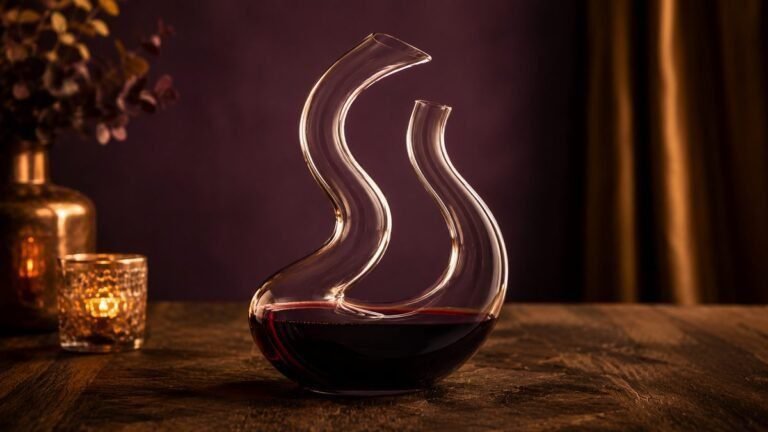
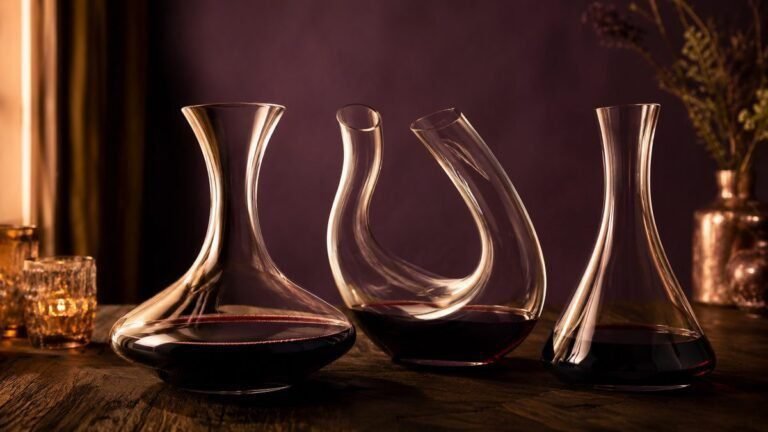
A decanter. Slower, prettier, better for a whole bottle and for anything with sediment. Our roundup of the best wine decanters in Australia covers the options.
A clean jug. Pour the wine in, pour it back. It costs nothing and it works. Not elegant, but nobody has to know.
A bigger glass. Swirling in a wide bowl does a surprising amount of the same work for free. See our glasses guide.
The Verdict
A well-made little tool doing a modest job. If you often open a young, closed white and drink it a glass at a time, the V1020 earns its spot in the drawer. If you are buying your first aerator and you drink both colours, get the red model, because that is where aeration makes a difference you can actually taste.
Check the current price on Amazon Australia. We confirmed the listing was live and in stock on 17 September 2026.
What to Pour Through It

Voyager Coastal Margaret River Organic Chardonnay 2025
A young Margaret River chardonnay is the fairest test of a white wine aerator: enough structure and reduction to be closed on opening, and enough fruit underneath to reward the air. Pour one glass straight and one through the Vinturi and taste them side by side. Stock checked on 17 September 2026.
- Young and tight, so air genuinely helps
- Margaret River fruit with real structure
- Under $25
- Needs ten minutes out of the fridge first
- Not a bargain-bin bottle for experimenting
Frequently Asked Questions
Is the Vinturi V1020 for red or white wine?
White. The V1020 is the white wine version of the Essential aerator. Vinturi makes a separate model for reds, and mixing them up is the most common buying mistake.
Do wine aerators actually work?
Yes, in the sense that they mix air into wine quickly. Whether you taste the difference depends on the wine. Young, tannic reds and closed, reductive whites change noticeably. Older or already open wines change very little.
Is an aerator better than a decanter?
Neither is better. An aerator is faster and suits a single glass. A decanter suits a whole bottle, handles sediment and lets a wine open slowly over an hour.
Can you put it in the dishwasher?
It is dishwasher safe, but hot cycles will dull the acrylic over time. A hand rinse keeps it clear for longer.
Which white wines benefit most from aerating?
Young chardonnay, chenin blanc, semillon and white rhone blends, especially ones that smell of struck match or flint when first opened. Aromatic whites like sauvignon blanc and moscato need no help at all.
Does aerating change the alcohol content?
No. A few seconds of air does not change the alcohol in the glass. If you want to know what a glass is actually costing you, our wine calorie and standard drinks calculator does the maths.
This post contains affiliate links. If you buy through them we earn a small commission at no extra cost to you. It keeps the wine flowing and the reviews honest.