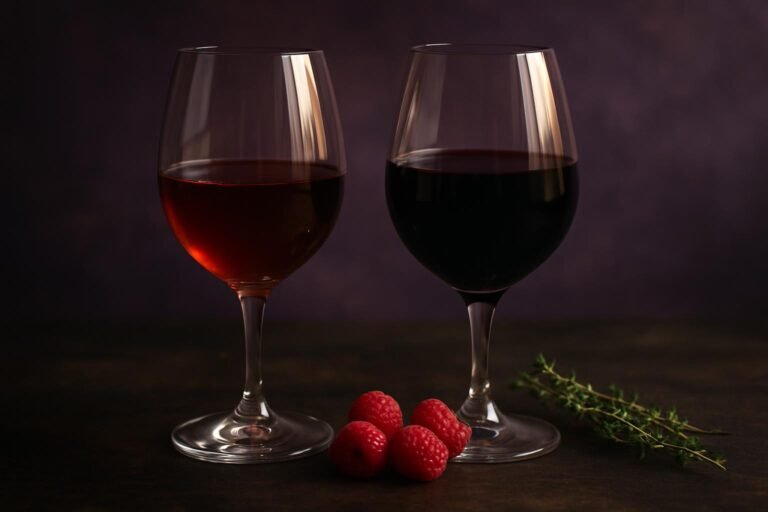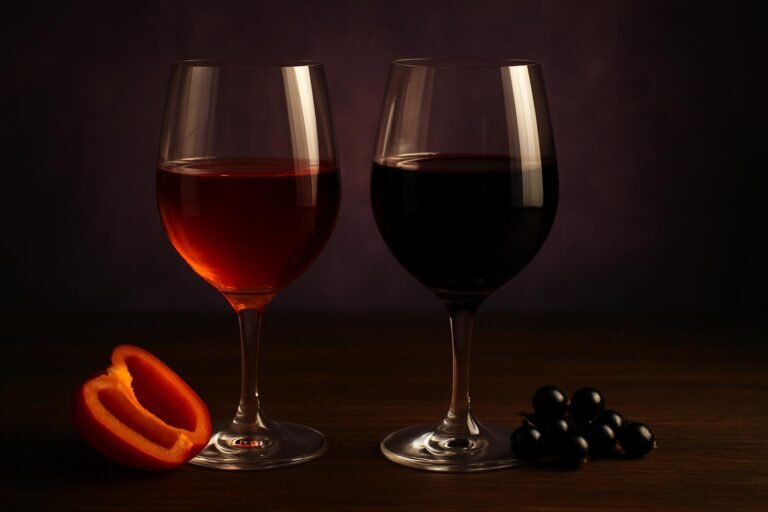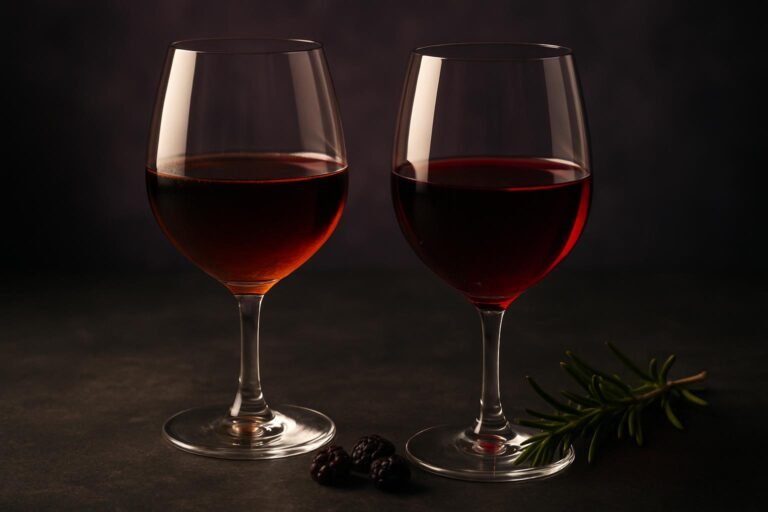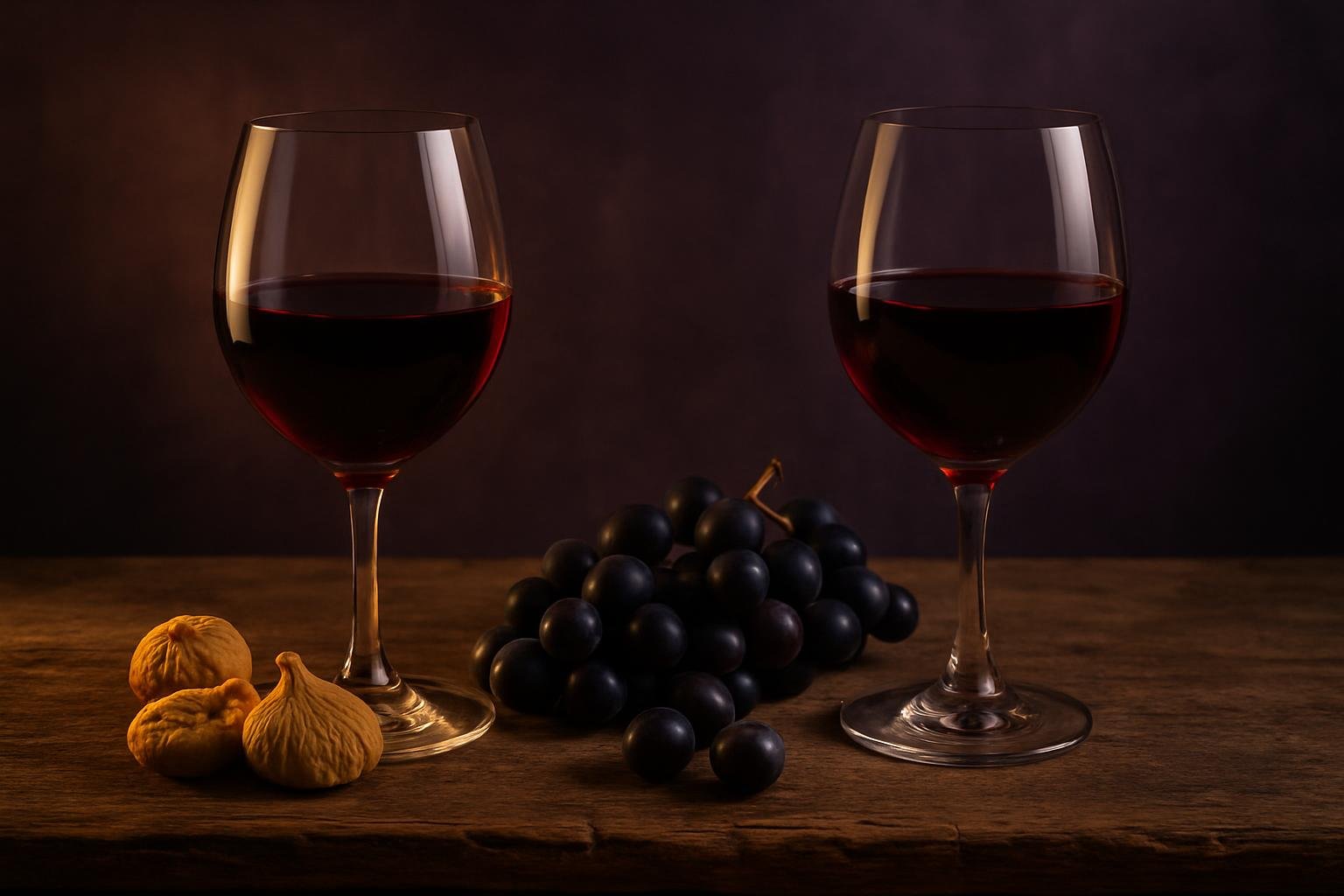
Zinfandel and Primitivo are the same grape. California’s Zinfandel and Puglia’s Primitivo have identical DNA, and the original vine turned out to be Croatian, growing under a name nobody outside Dalmatia could pronounce. So why does a Californian Zin taste like a big, jammy, 15 per cent bear hug and a Puglian Primitivo like a rustic, dried-fig Italian red? Same reason Syrah and Shiraz differ: the place and the people. Here is the story and what to buy.
Table of Contents
How they found out
For most of the twentieth century Zinfandel was “America’s grape”, a mystery variety that had turned up in California in the gold rush with no known European parent. In 1975 a student at UC Davis showed that Zinfandel and southern Italy’s Primitivo had identical protein fingerprints. In 1993 Carole Meredith, the grape geneticist who also sorted out Cabernet Sauvignon’s parents, confirmed by DNA that they were clones of one variety. That still left the question of where it came from, since it was not native to Italy either. The answer arrived in 2001, when a vine sampled in the village of Kaštel Novi near Split, in Croatia, matched exactly. The grape’s oldest name is Tribidrag, and it had been growing on the Dalmatian coast for centuries before either Italy or America knew it.
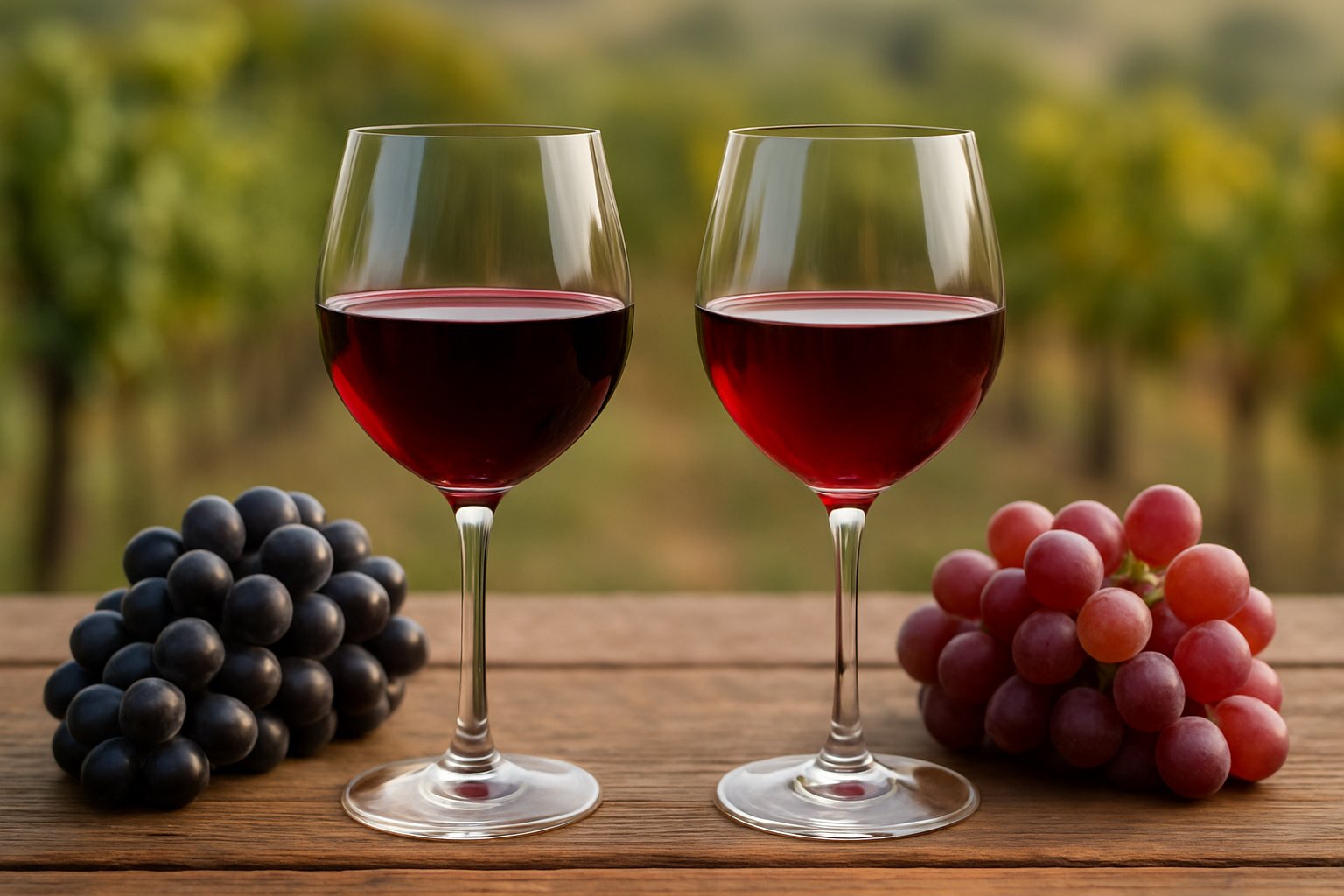
Zinfandel probably reached America through a plant nursery in Vienna, in shipments to a Long Island horticulturist between 1820 and 1829, then went west with the gold rush. Primitivo got its name from “primativus”, early ripening, because it comes in weeks before the other grapes of Puglia. The European Union made the relationship official in January 1999 by recognising Zinfandel as a synonym for Primitivo, which is why some Italian bottles now say Zinfandel on the label for the American market.
Why they still taste different
| Zinfandel (California) | Primitivo (Puglia) | |
|---|---|---|
| Tastes of | Blackberry jam, raspberry, black pepper, liquorice, sweet spice | Dried fig, black cherry, plum, leather, earth, a bitter-almond finish |
| Body and alcohol | Full, often 14.5 to 16 per cent | Full, usually 13.5 to 15 per cent |
| Oak | Often American oak; vanilla and coconut | Less oak, more rustic |
| Style | Ripe, plush, showy | Warm, earthy, savoury |
| Famous places | Lodi, Dry Creek Valley, Amador County, old vines from the 1880s | Manduria (Primitivo di Manduria), Gioia del Colle |
| Price in Australia | Dearer; Californian imports are scarce | Cheaper; Italian imports are everywhere |
The grape itself explains part of it. Its bunches ripen unevenly, so a single cluster can hold raisins and green berries at once, and winemakers wait for the green ones, which means the ripe ones pile on sugar. That is why both wines are strong. The Californian habit is to lean into that: pick late, use American oak, make it big and sweet-fruited. The Puglian habit is older and plainer: pick a little earlier, less oak, let the earthy, figgy character show. Neither is wrong. One is a Sunday roast and the other is a plate of salami.
The Australian angle
Australia grows a little of both, under both names. Cape Mentelle in Margaret River has made a serious Zinfandel for decades, and it is the country’s best-known example: big, spicy, built for a barbecue. McLaren Vale, the Riverland and the Barossa have planted Primitivo as one of the Mediterranean grapes suited to heat, and some producers label the same vines Zinfandel depending on the style they are going for. On the shelf, though, most of what you will find is imported: a wall of Puglian Primitivo at fair prices, and a few Californian Zinfandels at not-so-fair prices because they travel a long way in small quantities.
What to buy
We have not put prices on this one, because they swing wildly between the Italian imports and the Californian ones. As a rule, the Puglian Primitivos are the affordable end and the Californian Zinfandels cost noticeably more for the same quality, because far fewer of them are shipped here.
Primitivo to look for: anything labelled Primitivo di Manduria, the region’s top appellation; the big Puglian names such as San Marzano, Cantine Due Palme and Masseria Li Veli; and a Primitivo from Gioia del Colle if you find one, which is the higher, cooler, finer version.
Zinfandel to look for: Cape Mentelle Zinfandel from Margaret River, the Australian benchmark; from California, Ridge (the old-vine specialist), Seghesio, Ravenswood and Bogle, in roughly descending order of price. Avoid White Zinfandel unless you like sweet pink wine; it was invented by accident at Sutter Home in the 1970s and is a different drink entirely.
Our Zinfandel guide covers the grape in full, and our grape varieties A to Z has Primitivo alongside it.
Our partner shop had no Zinfandel or Primitivo when we checked, so this is one to buy at BWS or Dan Murphy’s: look for a Primitivo di Manduria on the Italian shelf, and Cape Mentelle Zinfandel if you want the Australian version.
What to eat with it
Both want big, savoury food. Primitivo is the natural match for southern Italian cooking: sausage and orecchiette, lamb with rosemary, aged pecorino, anything with tomato and chilli, and a wood-fired pizza. Zinfandel is the American barbecue wine: ribs, pulled pork, a burger with the lot, smoky sauces, a bowl of chilli. Both are too big for delicate food and too ripe for fish. Serve them a shade cooler than you would think, around 16°C, to keep the alcohol in check.
Frequently asked questions
Is Primitivo the same as Zinfandel?
Yes. DNA testing confirmed in 1993 that they are the same grape, and in 2001 the original vine was found in Croatia, where it is called Crljenak Kaštelanski or Tribidrag.
Why is Zinfandel so strong?
The grape ripens unevenly, so by the time the last berries are ripe the first ones are raisins full of sugar. Fermented dry, that sugar becomes alcohol, often 15 per cent or more.
Is Primitivo sweet?
Usually dry, but the ripe, figgy fruit and high alcohol make it taste rich. A few Puglian producers make a deliberately sweet Primitivo, labelled dolce or amabile, so check the label.
What is White Zinfandel?
A sweet pink wine made from Zinfandel grapes with the skins removed early. Sutter Home made the first one in 1972, a stuck fermentation in 1975 left it sweet by accident, and it became one of the best-selling wines in America. It has nothing in common with red Zinfandel except the grape.
Which should I try first?
A Primitivo di Manduria. It is cheaper, easier to find in Australia, and shows the grape’s dried-fruit, earthy side. Then find a Cape Mentelle or a Ridge Zinfandel to taste the ripe, spicy version.