Heads up: this guide contains an affiliate link. If you buy through it we earn a small commission at no extra cost to you.
To choose a rosé you will actually like, look for the word “dry” on the label, pick the newest vintage on the shelf, and choose the grape before the colour. Grenache and Pinot Noir rosés are the safest place to start.
That is most of the job done. The rest of this guide explains why the colour fibs, how to spot a sweet one before you get it home, and which grape gives you which flavour. Think of it as a dating profile for pink wine, minus the photos taken from a flattering angle.
Table of Contents
How to Choose Rosé in One Paragraph
Decide how you like your wine to taste, then match a grape to it. If you like crisp and zesty, go for a pale Pinot Noir or Grenache rosé. If you like more flavour, try Sangiovese or Shiraz rosé. Check the back label for “dry” or “crisp”, and look at the alcohol: around 12 to 13% usually means dry. Buy this year’s or last year’s vintage. Then chill it, but not to the point of numbness.
How Rosé Gets Its Pink
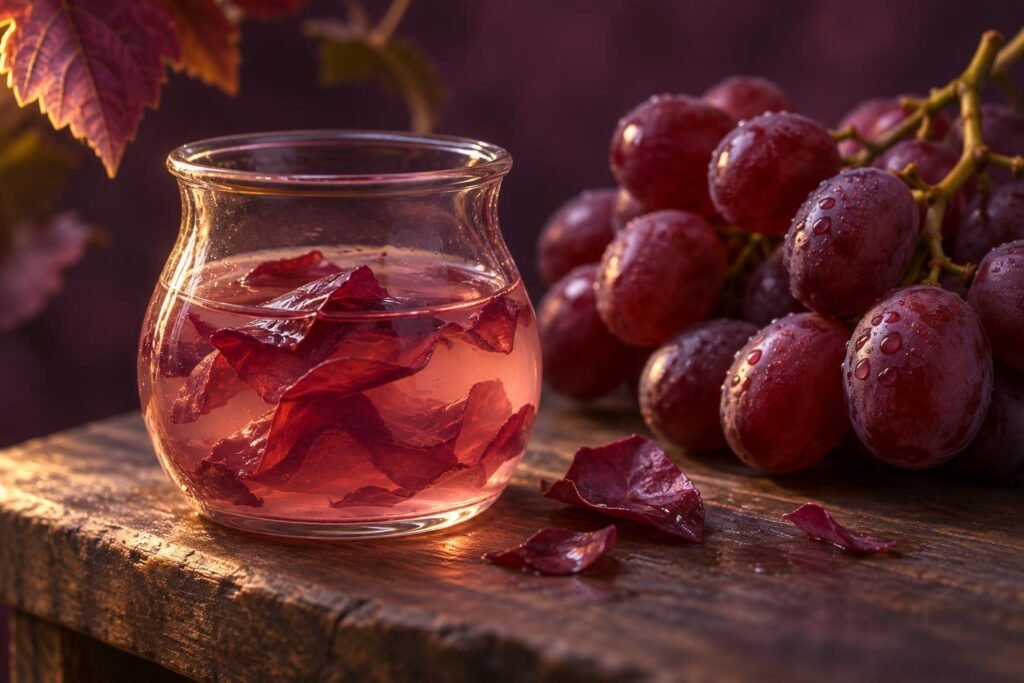
Rosé is made from red grapes, and the pink comes from the skins. Halliday Wine Companion explains the three ways winemakers do it: leaving crushed red grapes to soak in their juice for a short time, bleeding off some juice from a red wine ferment (called saignée), or adding a little red wine to a white. The longer the juice sits on the skins, the deeper the colour.
Skin time also adds a bit of grip and texture, which is why a good rosé feels more substantial than a plain white. That is also why a rosé can pair with food that would flatten a delicate white.
Does the Colour Tell You Anything?
Less than you would think. Pale pink has become fashionable thanks to Provence in the south of France, and plenty of shoppers now assume paler means better. Decanter calls that a myth, and points out that deeper pinks are often very good and frequently better value.
Colour mostly tells you how long the juice sat on the skins and which grape was used. It does not tell you how sweet the wine is. A pale wine can be sweet and a deep one can be bone dry. So use the colour as a hint about body, not as a promise about sugar.
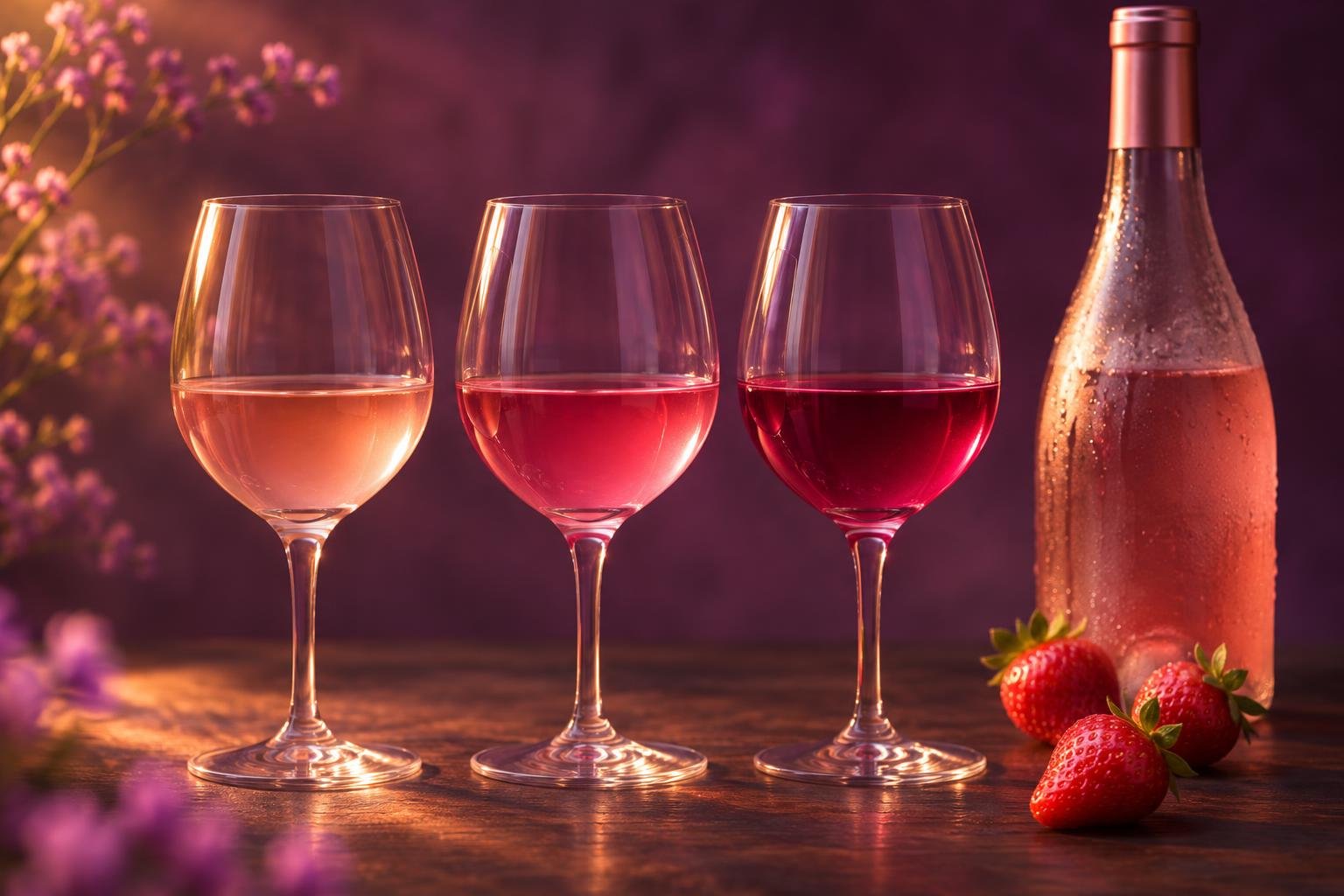
- Pale onion skin or salmon: usually light, crisp and delicate.
- Bright pink: usually juicier, with more red berry flavour.
- Deep cherry pink: usually fuller, closer to a light red.
Dry or Sweet? How to Read the Label
This is where most rosé regret comes from. Australian rosé had a reputation for being sweet, and some still is, although Halliday notes that quality has risen a long way. The range now runs from bone dry to off-dry to properly sweet.
Here are the clues. Words like “dry”, “crisp” and “savoury” point one way. Words like “sweet”, “luscious” or “moscato” point the other. Alcohol helps too: a rosé at 12 to 13% has usually fermented most of its sugar away, while one at 7 to 9% has kept a lot of it. If you want the science, our guide to residual sugar in wine explains it, and what off-dry means covers the middle ground.
Rosé Styles by Grape
The grape is the best clue to flavour. Here is a quick cheat sheet for the rosés you will see most on Australian shelves.
| Grape | What it tastes like | Good for |
|---|---|---|
| Grenache | Strawberry, watermelon, a little spice | Sipping, barbecues, almost anything |
| Pinot Noir | Light, crisp, red cherry and citrus | Seafood, salads, sunny afternoons |
| Sangiovese | Savoury, sour cherry, herbs | Pizza, pasta, tomato dishes |
| Shiraz | Fuller, darker berries, a little pepper | Grilled meat and sausages |
| Cabernet Sauvignon | Blackcurrant, leafy, firmer | Burgers and lamb |
If you are new to rosé, start with Grenache, a key grape in many Provence pinks, or Pinot Noir, which makes some of the lightest and crispest. Fans of savoury Italian reds should try a Sangiovese rosé.
Young or Old? Check the Vintage
Most rosé is made to be fresh, so the newest vintage is the safe buy. Decanter notes that young rosés often smell of grass and pink grapefruit, and those bright aromas fade after about a year. That is not a fault, but it is a different wine to the one on the label.
Some serious rosés do age well, so an older bottle is not always a dud. For everyday drinking, though, pick this year’s or last year’s. Also look for a bottle that has not been sitting in a sunny window. Rosé is especially prone to light strike, which can make it taste flat or a bit skunky, so a shelf near the back is your friend.
How to Serve It
Serve rosé cold but not icy. Halliday suggests 10 to 14°C depending on the style, with lighter, paler wines at the cooler end. Two hours in the fridge, then 10 minutes on the bench, does the trick. Our wine serving temperature chart has the numbers for every style.
A standard white wine glass is perfect; you do not need anything special. If you want the full rundown, see our guide to the best wine glasses. A few ice cubes on a scorching afternoon is allowed too, as long as you drink it before it turns to pink water.
Rosé is easy to drink, so keep an eye on the size of the pour. A standard drink in Australia is 10 grams of pure alcohol, and the Health Department counts a 150 mL restaurant pour of 11.5% white wine as about 1.4 standard drinks. Rosé at 12 to 13% lands a little higher. Our wine calorie calculator works out drinks and calories for any glass.
Drink One Tonight: A Dry Organic Rosé
Tamburlaine has been making wine since 1966 and is one of Australia’s best-known organic producers. Their Central Ranges rosé comes from cool, high vineyards in New South Wales and is made in a fresh, dry style: strawberry, raspberry and pink grapefruit, with a crisp, clean finish. It is the 2025 vintage, so it ticks the “drink it young” box, and it was in stock as we wrote this.

Tamburlaine Central Ranges Organic Rosé 2025
A pale, dry NSW rosé with strawberry, red berries and pink grapefruit. Great with prawns, salads and a warm evening.
- Dry, crisp and fruit-driven
- Certified organic and vegan-friendly
- Current vintage, well under $25
- Light-bodied, so not for fans of deep, bold rosé
- Stock moves quickly
It is lovely with seafood too. Try it with our best wines with prawns ideas.
Frequently Asked Questions
Is rosé wine sweet or dry?
It can be either. Many modern Australian rosés are dry, but sweet styles still exist. Look for “dry” or “crisp” on the label and an alcohol level around 12 to 13%.
Does a paler rosé mean it is better?
No. Colour mostly shows how long the juice sat on the grape skins. Deeper rosés can be just as good, and are often better value.
How is rosé made?
From red grapes. The juice soaks on the skins for a short time, some juice is bled off a red ferment, or a little red wine is blended into white.
How long does rosé last?
Most rosé tastes best within a year or two of the vintage. Once opened, keep it in the fridge with a stopper and finish it within two or three days.
What temperature should rosé be served at?
Around 10 to 14°C. Lighter, paler rosés go at the cooler end; fuller ones can be a touch warmer.
What food goes with rosé?
Seafood, salads, pizza, barbecued sausages and fried chicken all work. A dry rosé is one of the most food-friendly wines around.
This post contains affiliate links. If you buy through them we earn a small commission at no extra cost to you. It keeps the wine flowing and the reviews honest.