Organic vs Biodynamic Wine: What Is the Difference?
Organic and biodynamic wines both avoid synthetic chemicals, but biodynamic adds extra rules. Here is the plain-English difference, and how to read the label.
Read moreWine Bottle Sizes Explained: From Split to Magnum
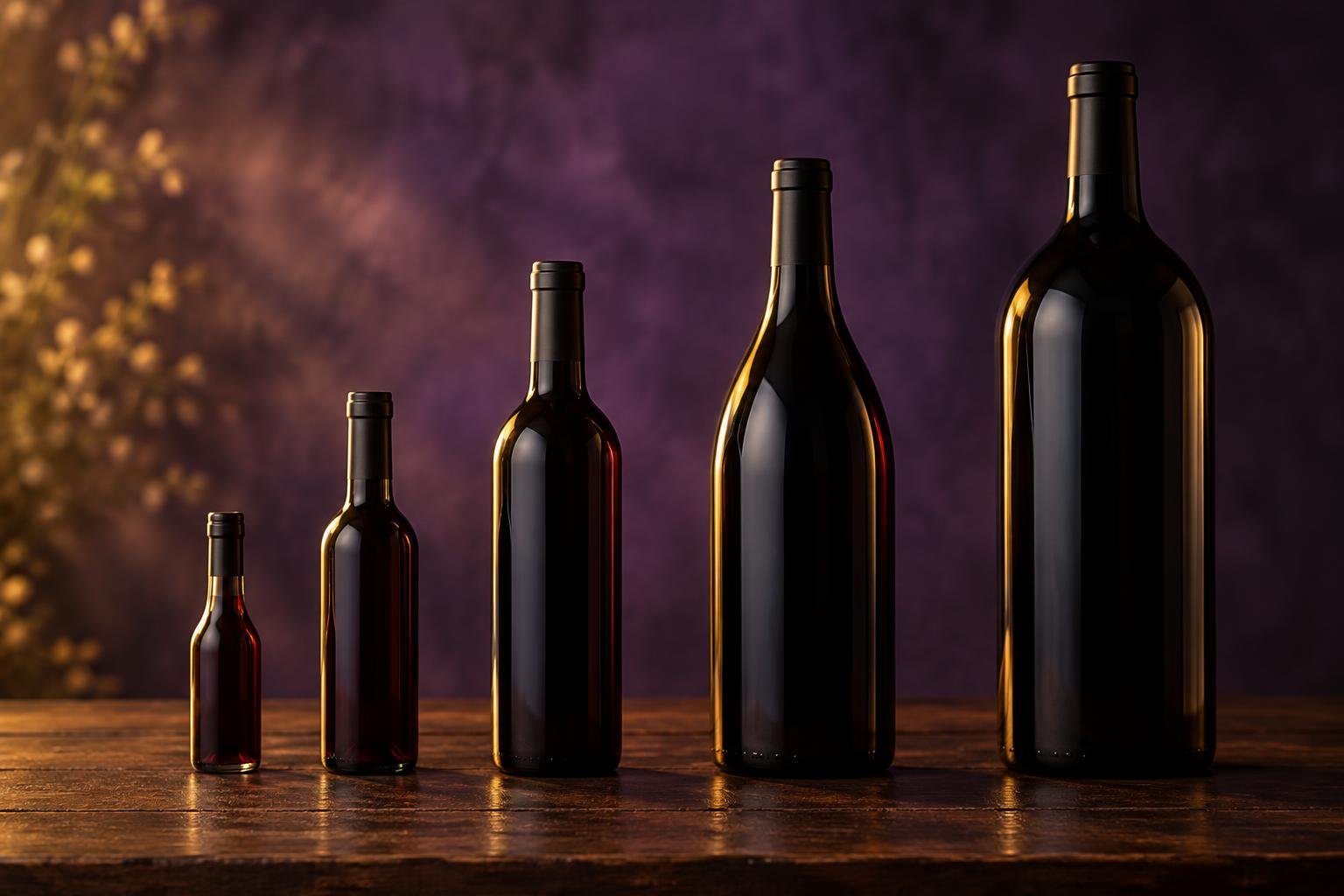
A standard wine bottle holds 750 ml, about five glasses. Here is every bottle size from split to magnum and beyond, with a handy chart.
Read moreIs Wine Vegan? What the Label Does, and Does Not, Tell You
Is wine vegan? Not always. Learn which fining agents come from animals, what Australian labels must say, and how to find vegan-friendly bottles.
Read moreWhat Is Natural Wine? The Plain-English Guide for Curious Drinkers
Natural wine has no legal definition, so what does the label mean? A plain-English guide to how it is made, how it tastes and how to buy your first bottle.
Read moreNebbiolo vs Sangiovese: Italy’s Two Great Reds Explained
Nebbiolo and Sangiovese are the two grapes behind Italy’s most famous reds. Nebbiolo makes Barolo and Barbaresco in the fog ...
Read moreWine Serving Temperature Chart: Red, White, Rosé and Sparkling
The exact temperature for every wine style, why it actually changes the taste, and three easy ways to get there without a wine fridge.
Read moreZinfandel vs Primitivo: Same Grape, Different Passports
Zinfandel and Primitivo are the same grape. California’s Zinfandel and Puglia’s Primitivo have identical DNA, and the original vine turned ...
Read moreMango Wine: What It Is, How It Is Made and Where to Buy It
Mango wine is fermented mango pulp, usually 6 to 12 per cent alcohol. Here is how it is made, why it does not taste much like mango, and where to buy it.
Read moreResidual Sugar in Wine: The Chart and What It Really Means
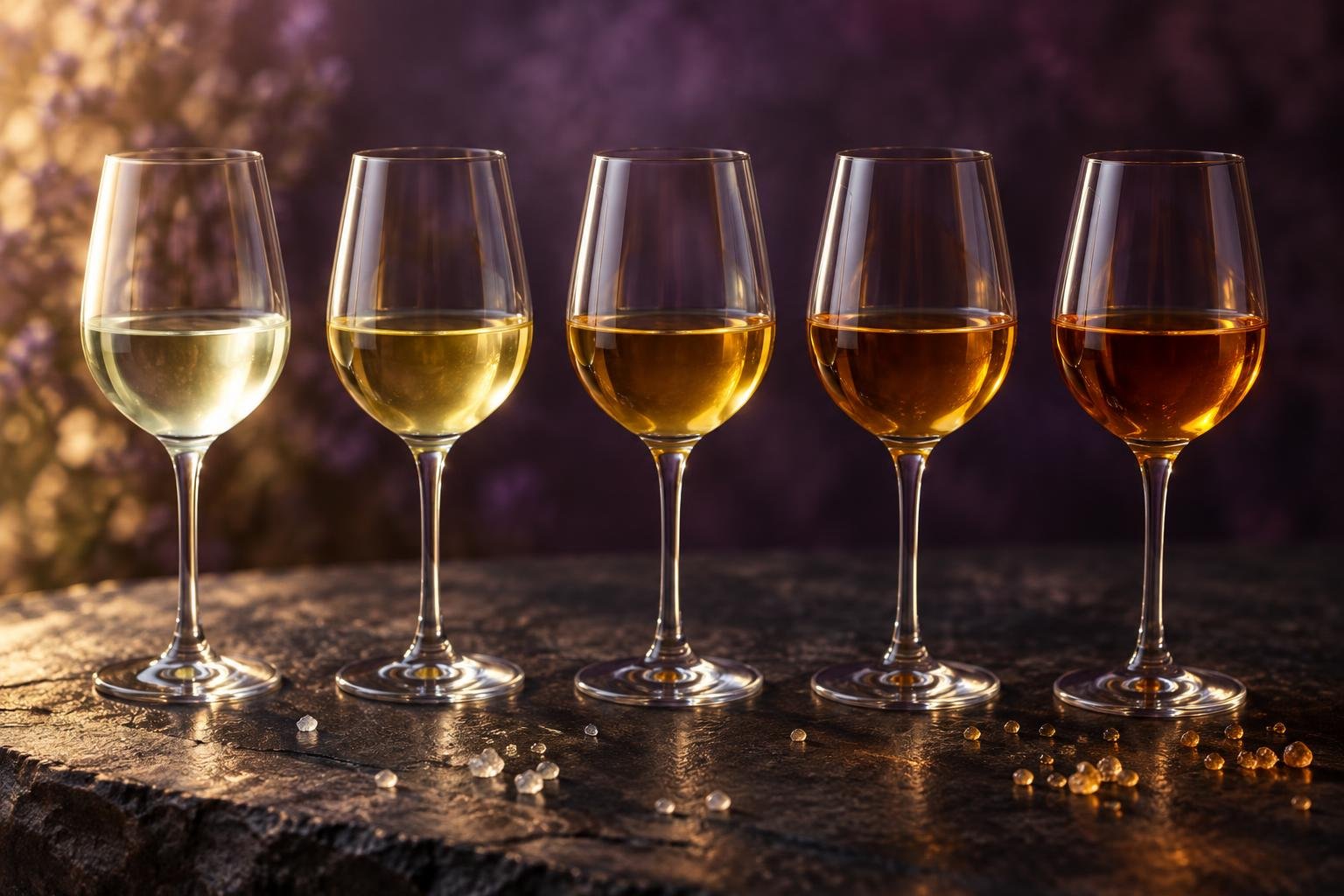
Residual sugar is the sugar left after fermentation stops, measured in grams a litre. Here is the full chart for still and sparkling wine, and why the number on the sheet is not the sweetness you taste.
Read moreWhat Is Port Wine? Sweetness, Styles and Why It Is So Strong
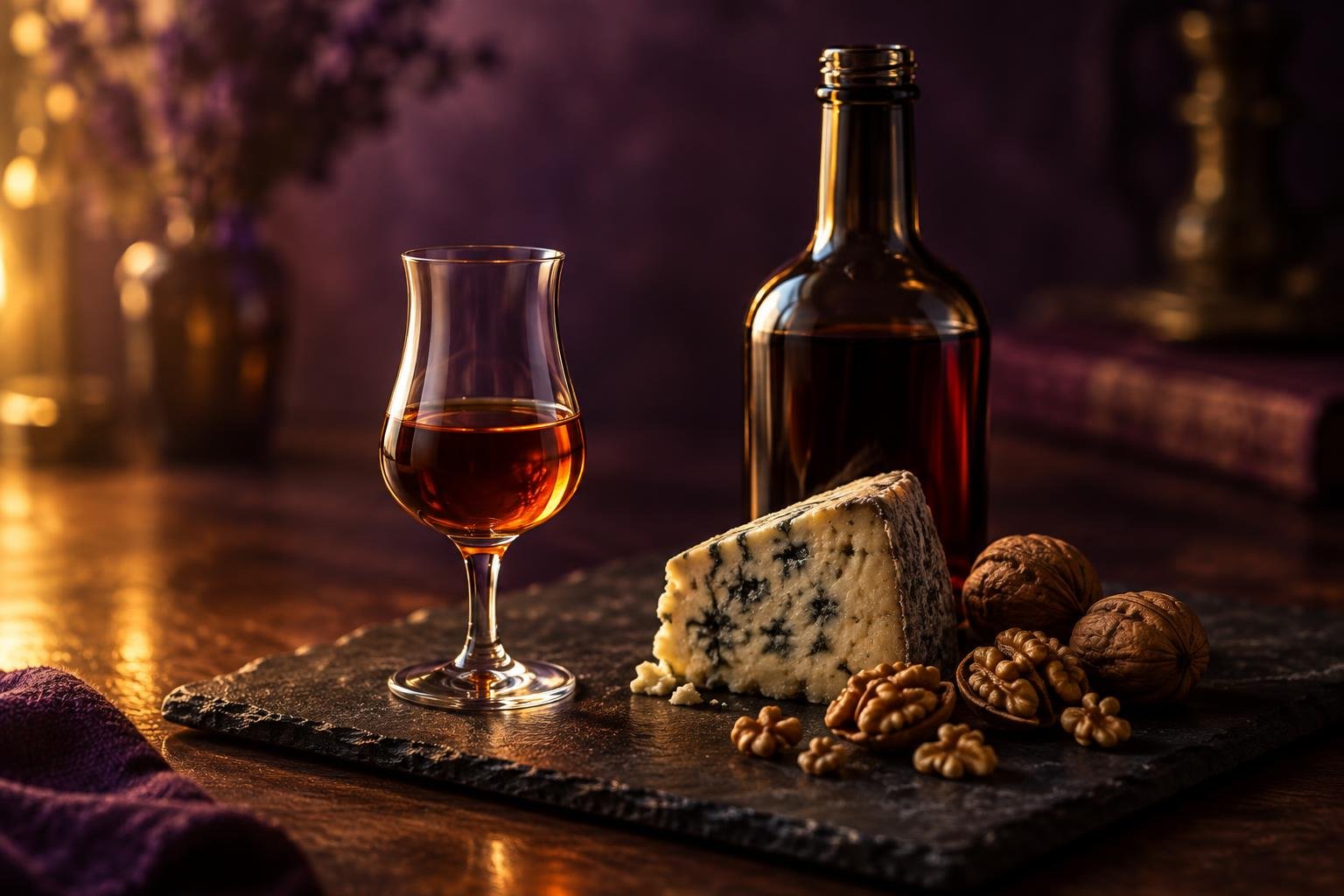
Port is a sweet fortified red from the Douro Valley in Portugal. Here is why it is sweet, what the styles mean, whether French port exists, and why Australian port is now tawny.
Read more