Heads up: this guide contains an affiliate link. If you buy through it we earn a small commission at no extra cost to you.
Port is a sweet fortified red wine from the Douro Valley in northern Portugal. It is made by adding grape spirit part way through fermentation, which stops the yeast before it has eaten all the sugar. That is why almost all port is sweet, and why it lands at about 19 to 22 per cent alcohol instead of the usual 13 or 14.
The sweetness is not added at the end. It is the grape sugar that never got turned into alcohol, which is a different thing and it tastes different too.
Table of Contents
Is All Port Sweet?
Nearly all of it, yes. Ruby, tawny, vintage and late bottled vintage are all sweet to some degree, usually somewhere around 90 to 140 grams of sugar per litre. For comparison, a dry table wine sits under about 4 grams.
There is one exception worth knowing. Dry white port exists, it is made in the same region from white grapes, and it is served cold with tonic and ice in Porto through summer. It is still fortified, so it is still strong, but it does not taste like pudding. If the sweetness scale confuses you, our guide to off dry wine explains how the labels work.

What Port Actually Is
Port comes from one place only. The Douro Demarcated Region was mapped out in 1756, which makes it the oldest regulated wine region in the world, and it is still policed today by the Douro and Port Wine Institute in Portugal. If the bottle does not come from there, it is not port, whatever the label once said.
The method is the interesting part. Red grapes are crushed and start fermenting normally. Part way through, before the yeast has finished, the winemaker adds neutral grape spirit. The alcohol kills the yeast on the spot, the leftover sugar stays as sugar, and the wine is suddenly twice as strong as it was an hour earlier. Everything else, the ruby colour, the tawny nuttiness, the decades of ageing, comes after that moment.
The Styles, in One Table
| Style | How it is aged | What it tastes like | When to drink it |
|---|---|---|---|
| Ruby | Two to three years in tank or large vats | Bright blackberry and plum, simple and fruity | Anytime, no cellaring needed |
| Reserve Ruby | A little longer, better base wine | Richer fruit, a bit more depth | Cheese night, midweek |
| Tawny | Years in smaller wooden casks, with air | Caramel, walnut, dried fig, gentler fruit | Chilled slightly, with dessert or on its own |
| Aged Tawny (10, 20, 30 year) | The number is the average age of the blend | Nutty, spiced, quite complex | Slowly, in a small glass |
| Late Bottled Vintage | Four to six years in wood, one vintage | Vintage character without the wait | Open and drink, no decanting fuss |
| Vintage | Two years in wood, then decades in bottle | Dense, tannic when young, spectacular when old | Special occasions, decant it |
| White | Made from white grapes, dry to sweet | Citrus, almond, honey | Cold, with tonic and ice |
If you are buying your first bottle, a ten year tawny is the safest money. It is ready now, it keeps for weeks after opening, and it tastes like what people imagine port tastes like.
Is There Such a Thing as French Port?
No, and this one comes up a lot. Port is Portuguese by law. France makes its own fortified sweet wines, and some of them are very good, but they have their own names: Banyuls, Maury and Rasteau from the south, or the lighter Pineau des Charentes. If you enjoy tawny, Banyuls is the French bottle to try next.
Why You Cannot Buy Australian Port Any More
Australia used to sell plenty of it. Under the wine trade agreement with the European Union, Australian producers gave up the European names in exchange for better market access. Sherry has been off the table since 1 September 2011, and the local fortified that used to be called port is now sold as tawny.
Wine Australia set up two certification trade marks to fill the gap: Apera for the sherry style and Topaque for what used to be called tokay. Both can only be used on Australian fortified wines that meet the industry code. The wine in the bottle did not change. Only the word on the front did.
This matters when you shop. An Australian bottle labelled tawny, usually from the Barossa, Rutherglen or the Riverland, is doing the same job as a Portuguese tawny at a much friendlier price.
How to Serve and Keep It
- Serve it cool. Tawny and ruby are better at about 14 to 16 degrees. Twenty minutes in the fridge lifts the whole thing.
- Pour small. At 20 per cent alcohol, a 60 millilitre pour is a standard drink and a half. Our wine calorie calculator will do the maths for the evening.
- Use a small glass. A tulip or a small white wine glass beats a thimble. See our glasses guide for shapes.
- Keep it upright. Tawny and ruby last four to six weeks open in the fridge. Vintage port is the fussy one and should be finished in a couple of days.
What to Eat With It
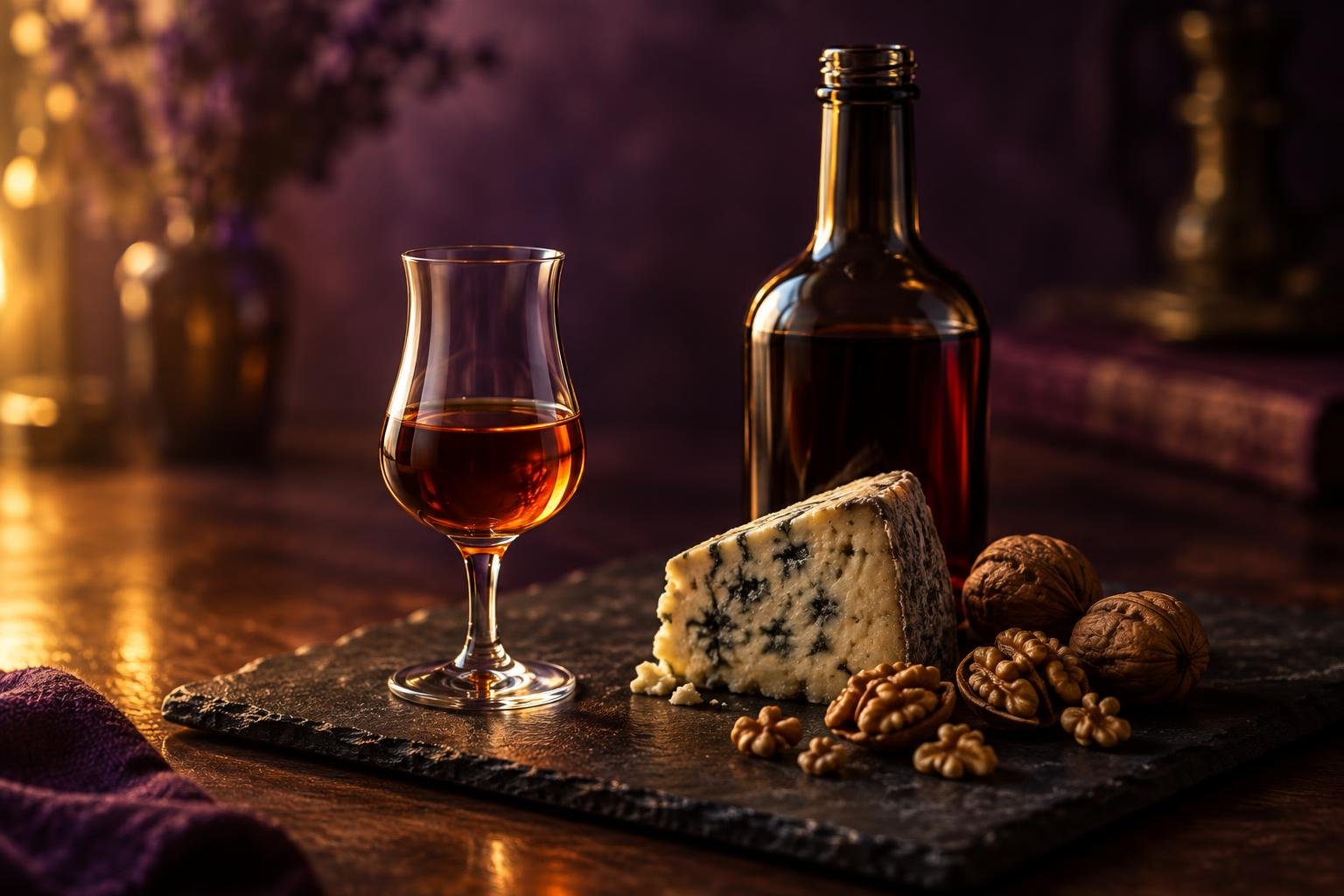
Tawny and blue cheese is the pairing everyone knows, and it works because salt and sweetness balance each other. Ruby goes better with chocolate and berries. Both are good with walnuts, hard cheese and dried fruit, which is why the cheese board is where port usually turns up. Our cheese and wine guide has the rest of the board covered, and red wine with cheese handles the unfortified options.
Try One Tonight

Salena Estate Time Keeper Australian Tawny
Tawny is port that has spent years in smaller wooden casks, slowly going from ruby red to amber while it picks up caramel, walnut and dried fig. This Riverland version does that at a price that makes it a cupboard staple rather than a treat. Serve it lightly chilled in a small glass.
- Proper tawny character: caramel, walnut and dried fig
- Keeps for weeks once opened, so a bottle goes a long way
- Fifteen dollars, which is remarkable for the style
- Blended rather than an aged tawny with a year on the label
- Not as layered as a Portuguese ten year tawny
Serve it lightly chilled with a wedge of blue cheese, or on its own after dinner in a small glass. Stock checked and available at the time of writing.
Frequently Asked Questions
Is port wine sweet?
Almost always, yes. The sweetness comes from grape sugar that never fermented, because grape spirit was added to stop the yeast early. Most ports carry somewhere around 90 to 140 grams of sugar per litre. Dry white port is the main exception.
Is port a dessert wine?
It is usually served as one, and it fits the job well. Technically it is a fortified wine, which describes how it is made rather than when you drink it. Plenty of people in Portugal drink white port cold before dinner instead.
What is the difference between port and normal wine?
Two things. Port has grape spirit added during fermentation, so it is about 19 to 22 per cent alcohol instead of 13 or 14. And because the spirit stops fermentation early, the wine keeps a lot of its natural sugar. Regular wine ferments until the sugar is used up.
Is there French port?
No. Port has to come from the Douro Valley in Portugal. France makes similar sweet fortified wines under different names, including Banyuls, Maury and Rasteau. Banyuls is the closest in spirit to a tawny.
How long does port last once opened?
Tawny and ruby will hold for four to six weeks in the fridge with the cork in. Vintage port is much more fragile and should be finished within two or three days. Aged tawny is the most forgiving bottle in the cupboard.
Why is Australian port now called tawny?
Because of the wine trade agreement between Australia and the European Union, which reserved port, sherry and other European names for their home regions. Australian producers moved to tawny, and Wine Australia registered Apera and Topaque for the sherry and tokay styles.
This post contains affiliate links. If you buy through them we earn a small commission at no extra cost to you. It keeps the wine flowing and the reviews honest.
User Review
( votes)


Sip smarter, subscribe now!
One short, useful email a week: pairings that actually work, honest reviews, and your free Food Pairing e-book the moment you join. No spam, no snobbery, and your inbox stays classy.