Heads up: this guide contains an affiliate link. If you buy through it we earn a small commission at no extra cost to you.
Not always. Grapes are plants, but plenty of winemakers clear their wine with egg white, milk protein, gelatine or fish-based isinglass. The animal products are removed before bottling, yet a wine that met them is not vegan.
The catch is that the label rarely says so. This guide covers what fining is, what Australian labels must tell you, and how to pick a bottle that suits a plant-based plate.
Table of Contents
The Short Answer: Wine Is Vegan Only Sometimes
Wine is not vegan by default. The grape juice is plant-based, but the clean-up crew often is not.
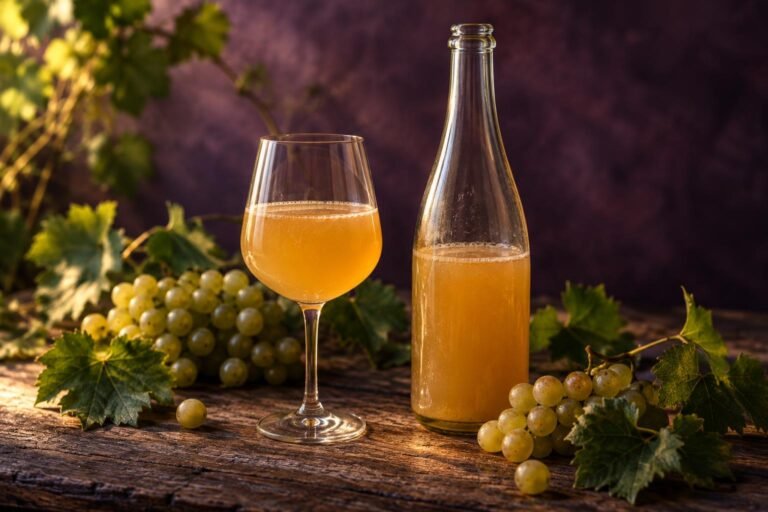
After fermentation, young wine is cloudy with tiny bits of yeast, skin and protein. Winemakers add a fining agent that grabs those bits and sinks them, so the wine can be poured off clear. Think of it as a lint roller for your Shiraz, except some lint rollers are made from fish.
Plenty of wines are made without any animal products, and a growing number say so on the label. The trick is knowing how to tell the difference.
Which Fining Agents Are Not Vegan?
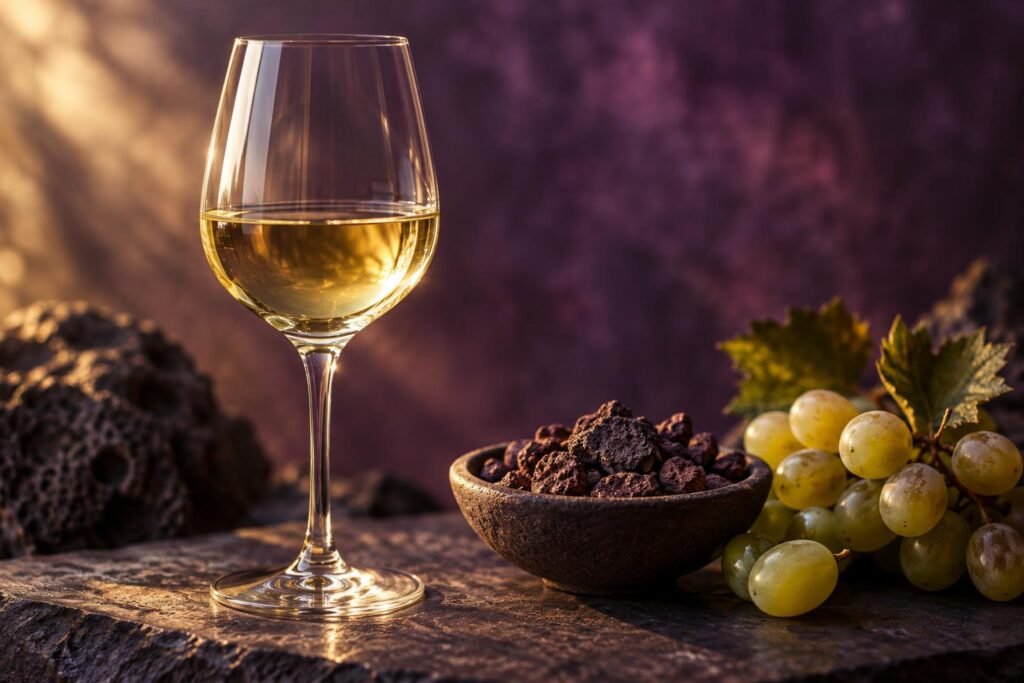
Decanter’s guide to fining lists gelatine, isinglass, egg whites and casein as common agents, and says using them can stop a wine being sold as vegan. It adds that isinglass is mainly used to clear white wines, while egg whites are linked to softening the dry, grippy feel of some reds.
| Fining agent | Comes from | Vegan? | Good to know |
|---|---|---|---|
| Isinglass | Fish | No | Mainly used on white wines |
| Egg white | Eggs | No | Linked to softer reds |
| Casein | Milk protein | No | Counts as an allergen on Australian labels |
| Gelatine | Animal collagen | No | Named as a common agent |
| Bentonite | Volcanic clay | Yes | Widely used in white wines |
Not every winemaker fines at all. Decanter notes that some avoid it because they believe it strips away natural flavour and texture, and that many natural wine producers neither fine nor filter. If that sounds appealing, our guide to natural wine explains the idea in plain English.
What Do Australian Wine Labels Have to Tell You?
Less than you would hope. According to the helpdesk at the Australian Wine Research Institute, casein, potassium caseinate, egg white and milk are allergens under Standard 1.2.3 of the Food Standards Code, so their use must be declared on the label.
That is useful, because a line such as “produced with egg” tells you the wine is not vegan. The reverse is the trap. The AWRI list names milk and egg products, not gelatine, so a clean allergen line does not prove a wine is vegan.
In short, the rules are built to protect people with allergies, not people avoiding animal products. A voluntary “vegan” statement, or a quick question to the winery, is the better test.
How to Find a Vegan-Friendly Bottle
New to terms like fining? Our beginner’s wine guide covers the basics. Here is the quick routine for the bottle shop.
- Look for the word “vegan” on the front or back label. It is the fastest check, though not every vegan-friendly wine carries it.
- Ask the winery. A short email or social message is fine, because the winemaker knows exactly what went into the tank.
- Look for unfined and unfiltered wines. With no fining agent added, there is nothing animal to worry about, and the wine may look a little hazy.
- Do not assume organic means vegan. Organic describes how the grapes were grown, not how the wine was cleared.
- Use a shop’s vegan filter as a starting point, not a guarantee. Then confirm with the label or the winery.
Drink One Tonight: A Shiraz From the Vegan Collection
Honesty corner: Just Wines lists this bottle in its vegan wine collection, but I could not find Temple Bruer confirming it in writing. Check the label or ask the winery before serving it to a strict vegan.
If you want a starting point, this organic Riverland Shiraz is made with minimal handling and no added preservatives, and it costs under $20. Serve it a little cooler than room temperature using our serving temperature chart.

Temple Bruer Organic Preservative Free Riverland Shiraz 2024
A friendly organic red made with minimal handling, good for pasta night or a veggie curry. Stock checked live at the time of writing.
- Organic Riverland Shiraz
- No added preservatives
- Under $20 a bottle
- Vegan status is the shop listing, not a winery statement
- Preservative free, so finish it soon after opening
Not sure what Shiraz should taste like? Our Shiraz guide has the full story.
Frequently Asked Questions
Is all wine vegan?
No. Grapes are plants, but some winemakers still use animal-based fining agents such as isinglass, egg white, casein and gelatine. Others use clay such as bentonite, or skip fining altogether.
Is red wine more likely to be vegan than white?
Not reliably. Decanter links isinglass mainly to whites and egg white to reds, so both colours can be affected. The colour of the wine tells you nothing about how it was fined.
Is vegetarian wine the same as vegan wine?
Not quite. Egg and milk products may suit some vegetarians but not vegans, while isinglass and gelatine come from animals and rule out both. Ask which agents were used instead of relying on one word.
Is organic wine vegan?
Not automatically. Organic describes how the grapes were grown. Fining is a separate step, so look for a vegan statement or ask the winery.
Does vegan wine taste different?
Not in a way you can predict. Fining is only one of many steps in making wine, so judge the bottle in the glass rather than by the label.
This post contains affiliate links. If you buy through them we earn a small commission at no extra cost to you. It keeps the wine flowing and the reviews honest.