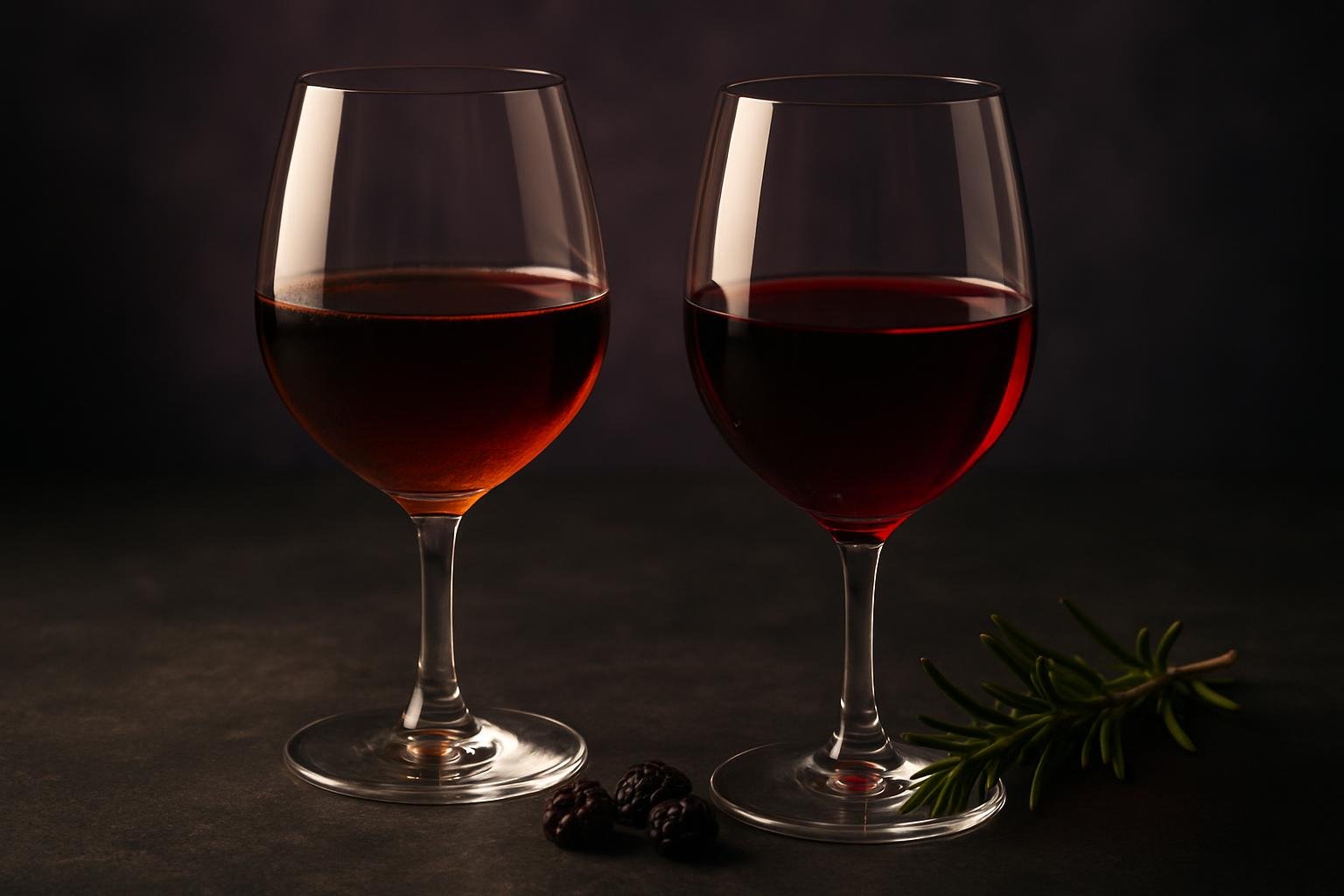
Nebbiolo and Sangiovese are the two grapes behind Italy’s most famous reds. Nebbiolo makes Barolo and Barbaresco in the fog of Piedmont, in the north-west. Sangiovese makes Chianti and Brunello di Montalcino in the sunshine of Tuscany, in the centre. Both are pale, high in acid and firm in tannin, both smell of cherries and both go with food rather than without it, which is where the resemblance ends. One is a monk and the other is a market trader.
Table of Contents
The short version
| Nebbiolo | Sangiovese | |
|---|---|---|
| Home | Piedmont: Barolo, Barbaresco, Langhe, Roero, Gattinara | Tuscany: Chianti, Brunello di Montalcino, Vino Nobile di Montepulciano |
| Colour | Pale garnet, turns orange-brown early | Medium ruby |
| Smells of | Tar and roses, dried cherry, liquorice, truffle, leather | Sour cherry, tomato leaf, dried herbs, leather, balsamic |
| Tannin | Very high; fierce when young | High but friendlier |
| Acidity | Very high | High |
| Body | Medium, but it feels bigger than it looks | Medium |
| Ready to drink | Barolo needs five to ten years; the best go thirty | Chianti is ready on release; Brunello wants five to ten |
| Price | Rarely cheap | From cheap to serious |
| Name means | Fog (nebbia), for the mist at harvest | Blood of Jupiter (sanguis Jovis) |
Nebbiolo: the difficult one
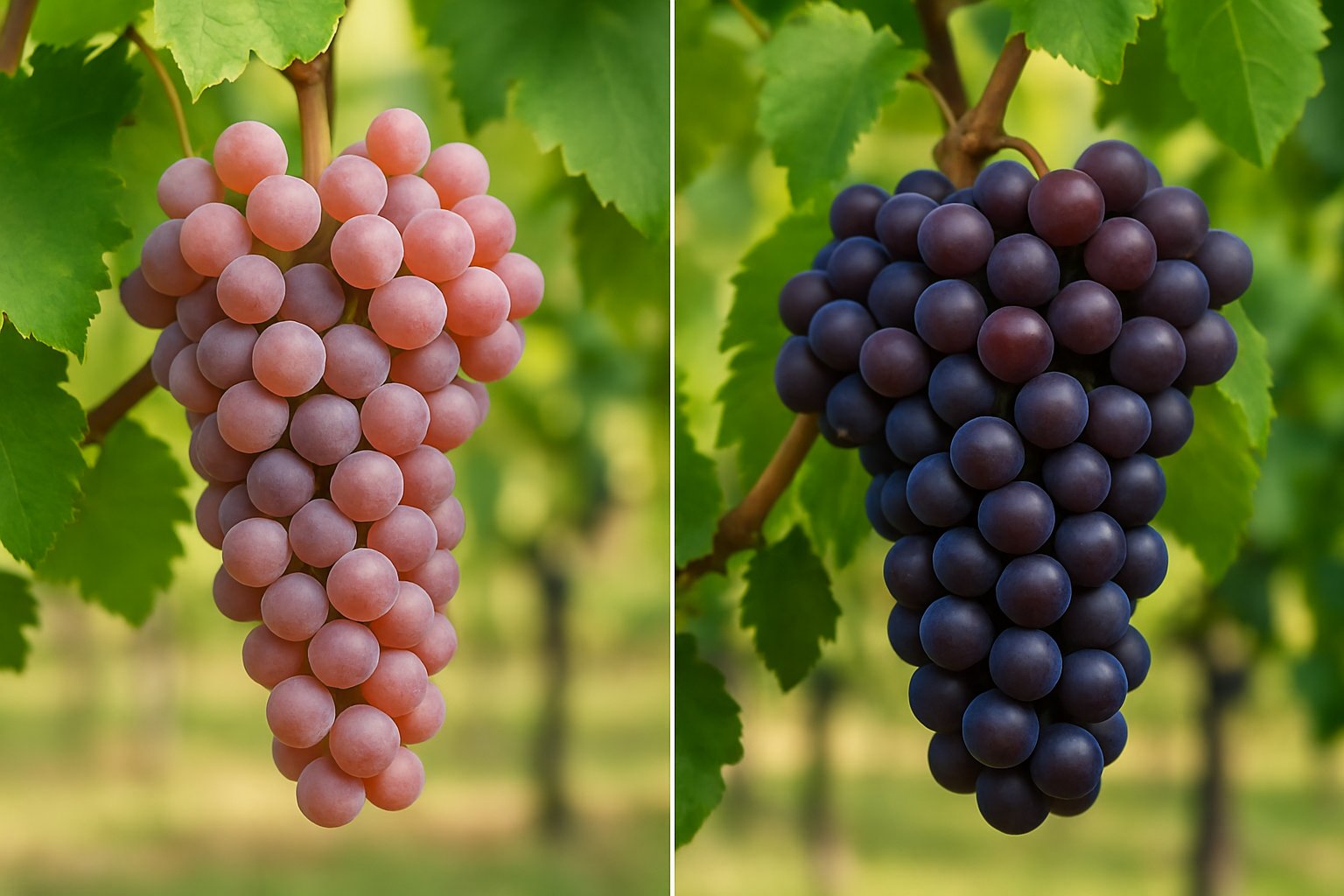
Nebbiolo ripens late, into the last days of October, when fog rolls into the Langhe hills and gives the grape its name. It is a small, prestigious crop: about 5,500 hectares in Piedmont, a little over three per cent of the region’s wine, because it only ripens properly on the best south-facing slopes and the locals plant easy Barbera everywhere else. The wine it makes looks deceptively light, pale garnet that browns at the rim within a few years, and then hits you with tannin and acid like nothing else. Young Barolo is a wine that dries your whole mouth. Give it time and it becomes one of the great wines of the world: tar and roses, dried cherry, truffle, leather, and a perfume that fills the room. Barolo must spend 18 months in oak and three years ageing before release; Barbaresco, from a few kilometres away, gets 9 months in oak and 21 months in total, and is a little softer and earlier to drink.
Sangiovese: the everyday one
Sangiovese is Italy’s most planted red grape, more than 100,000 hectares of it, and it is the backbone of every Chianti you have ever drunk. It is a child of two obscure old grapes, Ciliegiolo and Calabrese di Montenuovo, and it has been in Tuscany for centuries. The wine is medium ruby, smells of sour cherry, tomato leaf and dried herbs, and has the acid and grip that make it want a plate of pasta rather than a sofa. Chianti can include a small share of other grapes (Cabernet is capped at 15 per cent); Brunello di Montalcino, its grand, expensive cousin from further south, must be Sangiovese alone and can age for 20 years. The so-called Super Tuscans of the 1970s and 1980s were Sangiovese blended with Cabernet and Merlot outside the rules, and some of them are now among Italy’s most expensive wines.
The Australian angle
Both grapes have found homes here, mostly through Italian-Australian families. The King Valley in Victoria, where the Pizzini family has grown both for decades, is the centre for Nebbiolo, with the Adelaide Hills close behind; the grape is fussy about site and the results range from thin to thrilling. Sangiovese is easier and more widespread: Coriole in McLaren Vale was the Australian pioneer, Greenstone in Heathcote and Pizzini in the King Valley are benchmarks, and Margaret River and Langhorne Creek are producing good examples. Australian Sangiovese tends to be riper and softer than Chianti, which makes it a friendly introduction; Australian Nebbiolo, at its best, is startlingly like the real thing. Our Nebbiolo guide and Sangiovese guide cover each grape in full.
What to buy
We have not put prices on this one; the Italian imports range from ten dollars to a thousand and the shelf changes weekly. The shape of the ladder is what matters.
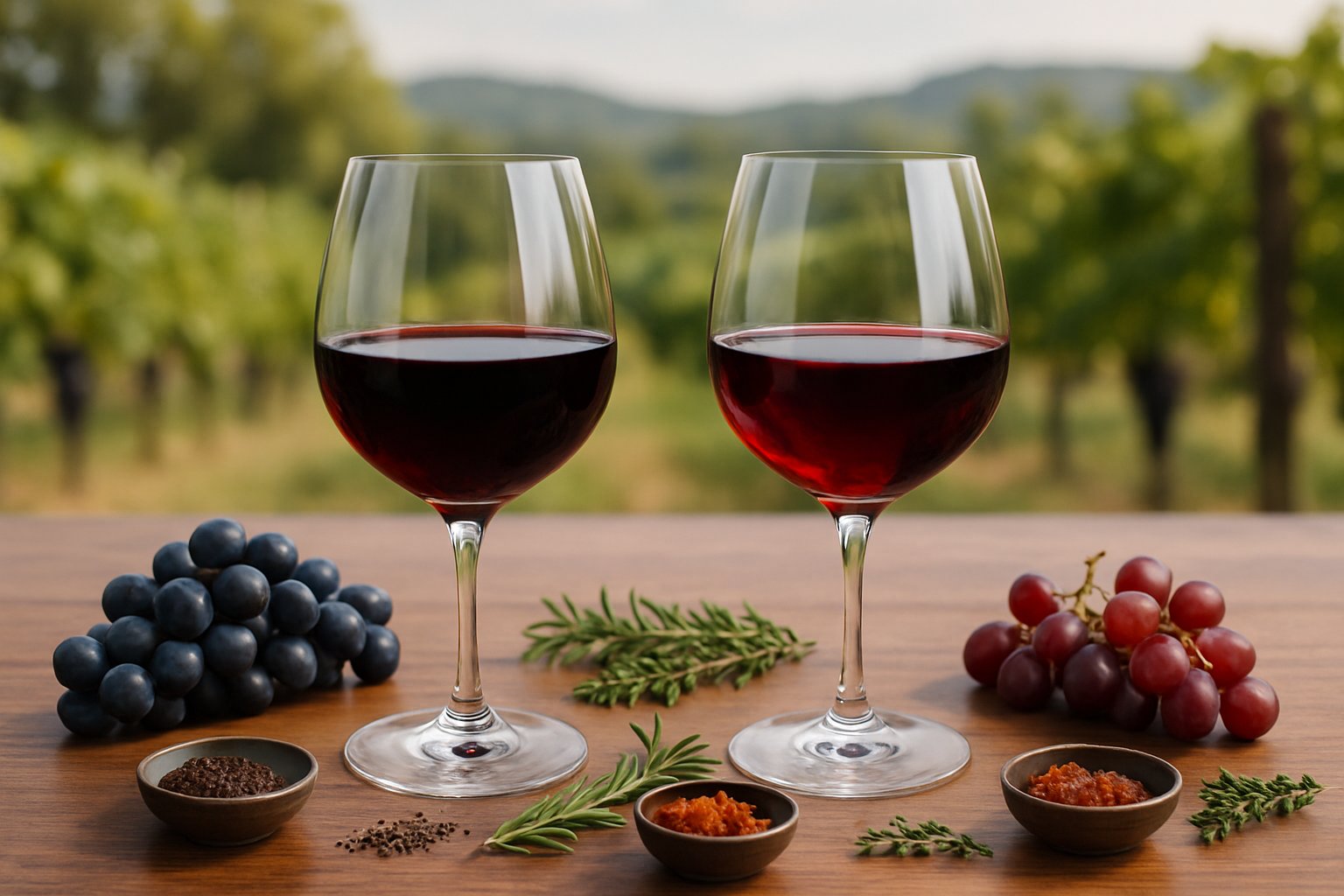
Sangiovese, cheapest to dearest: a basic Chianti (look for the black rooster of Chianti Classico for a step up), an Australian Sangiovese from Pizzini, Coriole or Greenstone, a Chianti Classico Riserva, a Rosso di Montalcino (the baby Brunello, and the best value on the list), then Brunello di Montalcino. The big Chianti names to trust are Fontodi, Felsina, Castello di Ama and Isole e Olena.
Nebbiolo, cheapest to dearest: a Langhe Nebbiolo (the declassified, early-drinking version from Barolo producers, and the best introduction), an Australian Nebbiolo from Pizzini or the Adelaide Hills, a Nebbiolo d’Alba or Roero, then Barbaresco, then Barolo. Producers to trust at the entry level are G.D. Vajra, Pio Cesare, Produttori del Barbaresco and Prunotto.
Heads up: the boxes below link to Just Wines, our partner shop. If you buy through them we earn a small commission at no extra cost to you. Prices were checked when this was written and move about.
Honesty corner: the partner shop had no Nebbiolo in stock when we checked. The Sangiovese side is covered:

Antinori Peppoli Chianti Classico
- Chianti Classico from Antinori, one of Tuscany's great names
- Cherry, currant, violets and a savoury finish: textbook Sangiovese
- About forty dollars
- No Nebbiolo to put next to it; ask an independent for a Langhe Nebbiolo

Minimum Central Victoria Organic Red Sangiovese Syrah 2022
- Organic, wild-fermented Sangiovese-led blend from central Victoria
- Sangiovese with a little Syrah and Cabernet; bright and food-friendly
- About twenty-three dollars
- A blend, so not a pure Sangiovese
For the Nebbiolo, BWS and Dan Murphy’s are the places to look: a Langhe Nebbiolo from the Italian shelf, or Pizzini from the King Valley.
What to eat with them
Neither is a wine to drink on its own. Sangiovese is built for tomato: pasta with ragù, pizza, a bistecca alla fiorentina, salami, pecorino, anything with rosemary and olive oil. Its acid matches the tomato and its tannin handles the meat. Nebbiolo wants richer, earthier food to soften its tannin: braised beef, osso buco, mushroom risotto, truffles above all, aged cheese, roast duck. Serve both at 16 to 18°C, decant young Barolo for two hours, and do not chill either. Our guide to wine with pasta puts Sangiovese to work.
Frequently asked questions
Is Barolo a Sangiovese?
No. Barolo is 100 per cent Nebbiolo, from Piedmont. Chianti and Brunello are Sangiovese, from Tuscany.
Which is more tannic, Nebbiolo or Sangiovese?
Nebbiolo, by a wide margin. Young Barolo is one of the most tannic wines made. Sangiovese is firm but drinkable on release.
Why is Nebbiolo so pale?
The grape has less colour pigment in its skins than most reds, and what it has fades quickly with age. Do not judge it by the colour; a pale Barolo can be enormous in the mouth.
What does tar and roses mean?
It is the classic description of Nebbiolo’s smell: a floral, rose-petal perfume over something dark and tarry. Once you have smelled it you will recognise it every time.
Which should a beginner try first?
Sangiovese, as a Chianti Classico or an Australian one from Pizzini or Coriole. Then a Langhe Nebbiolo, which gives you the tar-and-roses perfume without Barolo’s price or tannin.
What is Rosso di Montalcino?
The younger, cheaper wine from the same Brunello vineyards, released after a year rather than five. It is the best-value way to taste serious Sangiovese.