Heads up: this guide contains an affiliate link. If you buy through it we earn a small commission at no extra cost to you.
Say hello to Tempranillo, pronounced ‘Temp-rah-nee-yo’, the rustic rhapsodist of the vineyard. This is the bloke who does not shout at the party but somehow ends up telling the best stories in the corner. It is Spain’s flagship red grape, the backbone of Rioja, and, quietly, one of the most exciting things happening in Australian vineyards right now.
The name comes from temprano, Spanish for “early”, because the grape ripens weeks ahead of its neighbours. Keen, punctual and reliable. If Tempranillo were a co-worker, it would have the coffee on before you arrived.
Table of Contents
What Does Tempranillo Taste Like?
Think cherries, plums and a leathery, tobacco-tinged depth that arrives as the wine ages. It sits between Shiraz’s muscle and Pinot Noir’s silk: enough structure to handle a steak, enough charm to drink on its own.
| Aspect | Rating out of 5 | Characteristic |
|---|---|---|
| Sweetness | 🍷 | Predominantly dry, with the occasional flirtation with fruitiness, like a subtle wink across a tapas bar |
| Body | 🍷🍷🍷🍷 | Medium to full-bodied, as robust as a matador in the arena |
| Tannins | 🍷🍷🍷🍷 | Firm and structured, like the walls of an ancient Spanish castle |
| Acidity | 🍷🍷🍷 | Balanced, adding a lively verve much like a flamenco dancer’s twirl |
| Alcohol by Volume | 🍷🍷🍷 | Typically around 13–14%, as warming as the Spanish sun on a clear day |
Each wine glass icon is one point on a 5-point scale: one glass is low, five is high, based on the grape’s typical style.
Where It Grows
Home base is northern Spain. Rioja made Tempranillo famous, and Ribera del Duero made it serious: higher altitude, bigger shoulders, wines that age like Spanish grandmothers, which is to say gracefully and with strong opinions. In Portugal the same grape moonlights as Tinta Roriz and sneaks into port blends.
Here is the fun part for us: Australia has taken to Tempranillo like a seagull to a chip. Its early ripening suits our warm regions, and McLaren Vale, the King Valley, Margaret River and the Barossa are all turning out versions with bright red fruit and a sunnier disposition than their Spanish cousins. If you have not tried an Aussie Tempranillo yet, you are in for a very pleasant surprise.
How to Serve It
Temperature: 16–18°C, which means slightly cooler than your living room. Fifteen minutes in the fridge fixes an Australian summer.
Glass: a medium-to-large bowl gives those cherry and leather aromas room to move. Our wine glasses roundup has the shapes that earn their cupboard space.
Decanting: young Tempranillo loves thirty minutes of air; a Gran Reserva needs only a gentle pour. If your bench is missing the hardware, start with our decanter guide.
Ageing: this grape rewards patience. Spanish labels tell you how long the winery has already waited: Crianza (two years), Reserva (three) and Gran Reserva (five or more). The longer the wait, the softer the wine and the smugger the drinker.
What to Eat With It
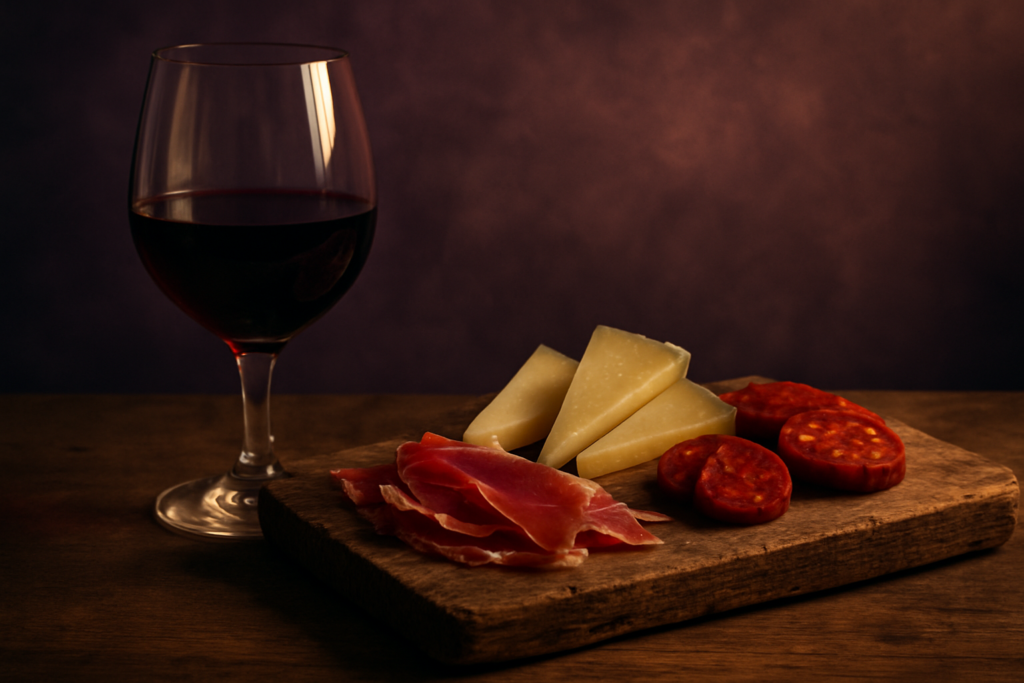
Tempranillo was practically built for food. Lamb is the classic marriage, roast, grilled or slow-cooked. Chorizo, jamón and anything from a tapas menu feel like family reunions. It is also a quiet hero with lentil dishes, burgers and hard cheeses like Manchego. For more matchmaking, our pairing guides have you covered.
Celebrated Wine Labels
| Winery | Region | Note |
|---|---|---|
| Vega Sicilia | Ribera del Duero, Spain | A legendary name in Spanish winemaking, known for depth and finesse. |
| Marqués de Riscal | Rioja, Spain | The old hands of Rioja, turning out classic, elegant drops. |
| Bodegas Muga | Rioja, Spain | Masters of traditional methods, producing robust and refined wines. |
| Penfolds | South Australia | An Australian icon, blending tradition and innovation into bold wines. |
| Jacob’s Creek | Barossa Valley, Australia | Approachable, well-made wines and a favourite among Aussie drinkers. |
Drink One Tonight

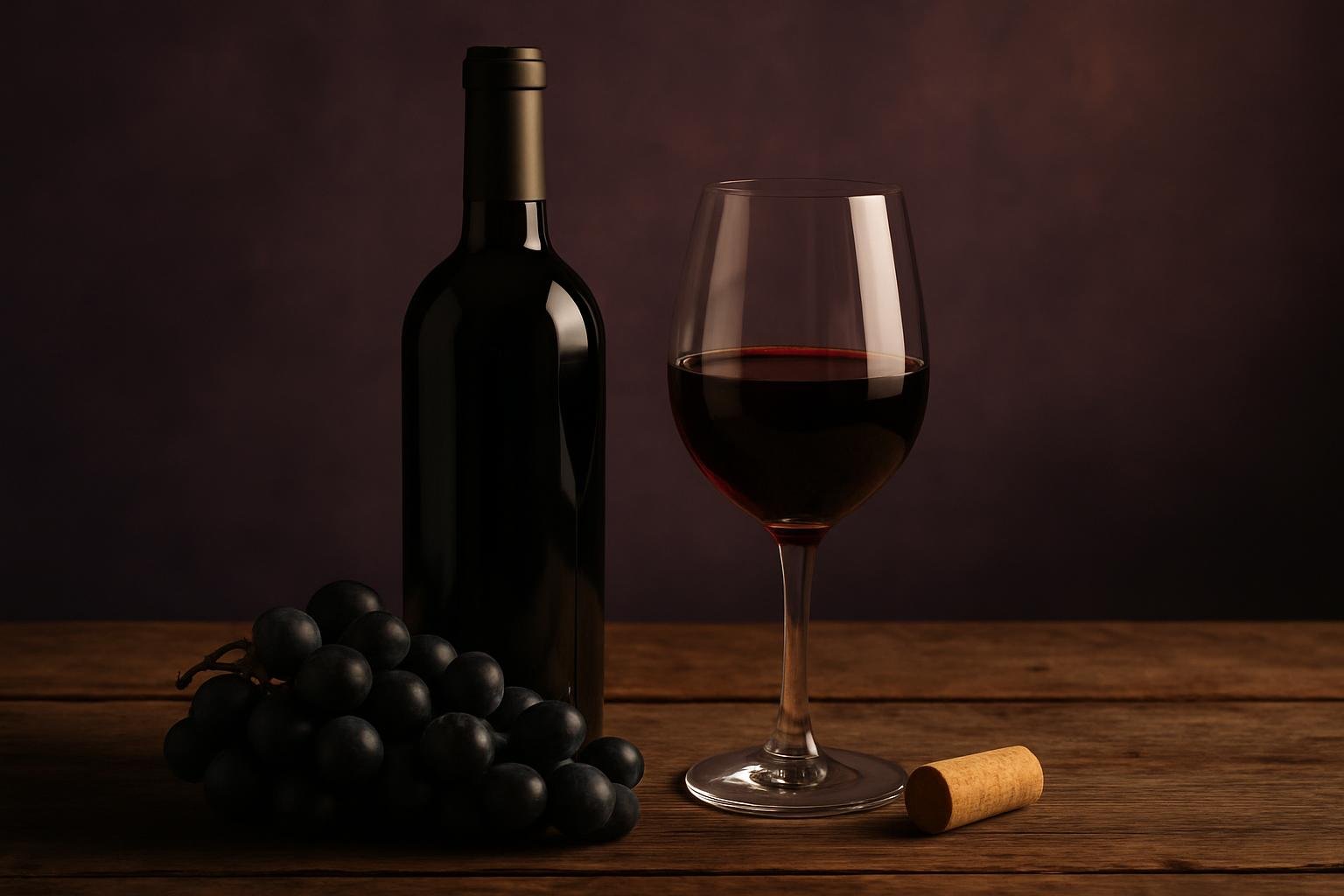
Campo Viejo Rioja Tempranillo
If this guide has done its job, you want a glass in hand. The Campo Viejo is the friendly front door to Rioja: everything this grape promises, no cellar or diploma required.
- A proper Rioja from Tempranillo's homeland
- Ripe red fruit, vanilla and sweet spice from oak
- Famously easy drinking for a first Spanish red
- Usually around $24, weeknight-friendly
- Drinks so easily the bottle empties suspiciously fast
New to Just Wines? The code FIRST20 takes $20 off a first order over $99, so it is worth building a mixed six rather than buying the one bottle. New customers only, and the offer can change without notice.
Frequently Asked Questions
Where does the name Tempranillo come from?
From temprano, Spanish for “early”, because it ripens well before most other red grapes. The “-illo” makes it affectionate, so the name roughly means “the little early one”. Adorable, for a grape with tannins like castle walls.
Is Tempranillo known by any other names?
Plenty. In Spain you will see Tinto Fino and Tinta del País; in Portugal it goes by Tinta Roriz and Aragonez. Same grape, different passports.
Which wines is Tempranillo similar to?
If you enjoy Sangiovese’s savoury cherry or a mid-weight Shiraz, Tempranillo will feel like a cousin you get along with instantly. It offers more earth and leather than Merlot, with less pepper than Shiraz.
Which country produces the most Tempranillo?
Spain, by a country mile: it is the most planted red grape there. Australia’s plantings are small but growing fast, because winemakers here have realised it handles our climate beautifully.
Should Tempranillo be chilled?
Lightly, yes. Serve it at 16–18°C rather than room temperature. On a warm day, fifteen minutes in the fridge will make it noticeably happier, and nobody will tut at you. Not here, anyway.
For the long, cold version of the same idea, our guide to red wine with soda water covers tinto de verano, the drink Spain orders while everyone else is on the sangria.
This post contains affiliate links. If you buy through them we earn a small commission at no extra cost to you. It keeps the wine flowing and the reviews honest.