Heads up: this guide contains an affiliate link. If you buy through it we earn a small commission at no extra cost to you.
Verjus is the juice of unripe grapes, pressed and bottled before it can ferment. It is sour like lemon juice and sharp like vinegar, but softer than both, and it contains no alcohol. Cooks use it to brighten a dish without setting it on fire.
The name is French. Vert jus means green juice, and green here means unripe rather than the colour. You will also meet it as verjuice, which is the same thing with an English coat on.
Table of Contents
What Verjus Actually Is
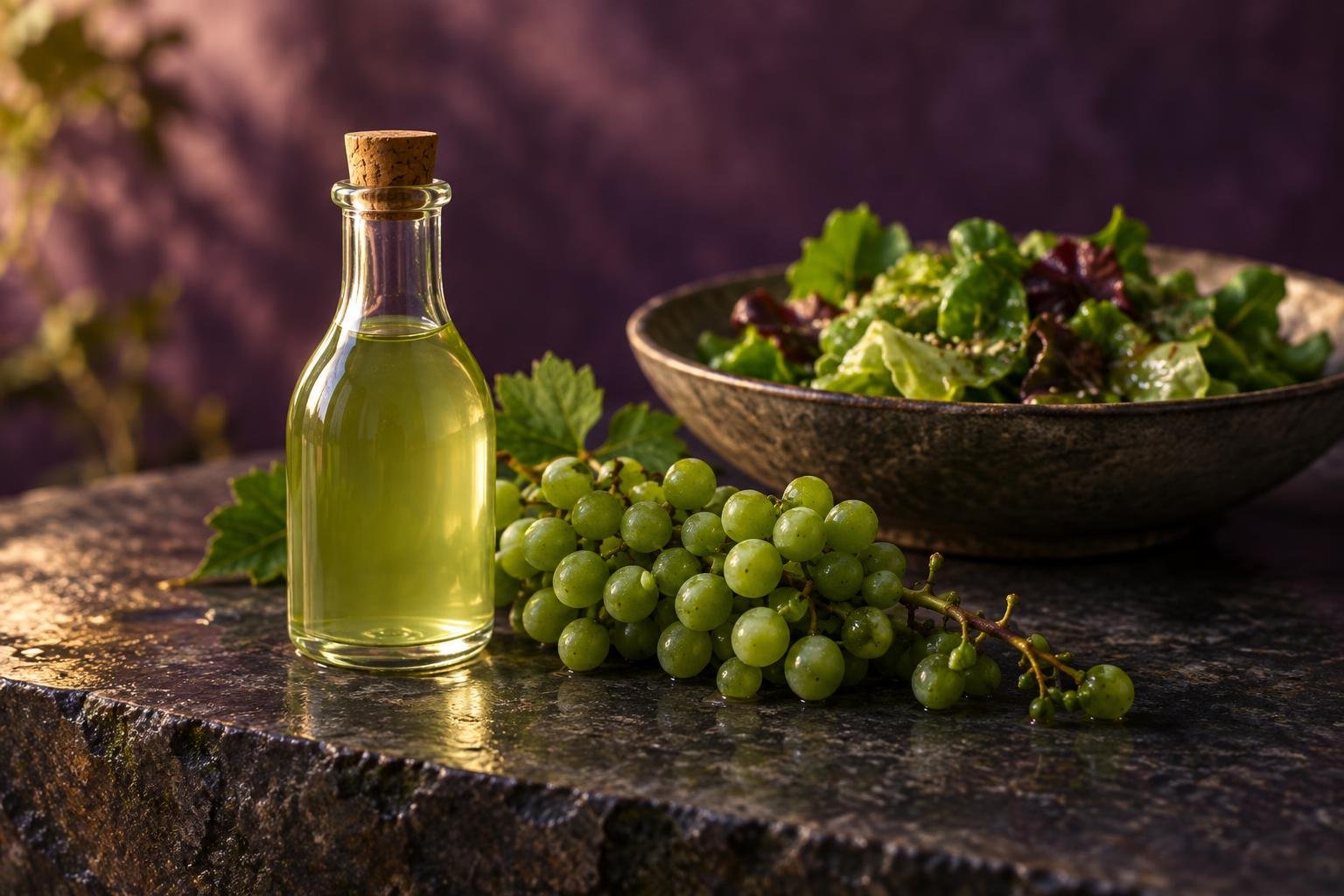
Grape growers thin their crop. They pull off small, hard, unripe bunches before harvest so the fruit that stays on the vine ripens evenly. Those discarded bunches are what verjus is made from, which makes it one of the tidiest ingredients in the kitchen: it turns a waste product into a pantry staple.
The juice is pressed and stabilised, not fermented. No yeast, no alcohol, no ageing. What you get is grape acidity without grape sugar and without the sting of a vinegar. It tastes tart and faintly floral, a bit like a green apple that has not made up its mind.
It has been made from other sour fruit too. Crab apples were common in England, and older recipes mention sour plums, gooseberries and even sorrel when the previous season had run out. Grapes are the version you will find on a shelf today.
Verjus vs Vinegar vs Lemon Juice
All three do the same job, which is to add sourness. They do it with different weapons, and that is what decides which one belongs in your pan.
| Verjus | Vinegar | Lemon juice | |
|---|---|---|---|
| What it is | Juice of unripe grapes, not fermented | Fermented alcohol turned to acetic acid | Juice of a citrus fruit |
| Main acid | Tartaric and malic | Acetic | Citric |
| Sharpness | Gentle | Aggressive | Bright and pointed |
| Smell | Faint, grapey | Strong and pungent | Strong and citrusy |
| Alcohol | None | None | None |
| Effect on wine | Almost none | Flattens most wines | Makes wine taste dull |
| Best for | Dressings, pan sauces, poaching, drinks | Pickling, robust dressings | Fish, dessert, anything wanting citrus |
Why Wine Drinkers Should Care
This is the part that has nothing to do with cooking and everything to do with what is in your glass. Vinegar is the enemy of wine. Acetic acid is so much sharper than anything in a bottle of wine that it makes the wine behind it taste thin, sweet and slightly ill. A vinaigrette-heavy salad is the reason so many people decide that wine and salad simply do not work.
Verjus does not do that. Its acidity comes from tartaric and malic acid, the same two acids that give wine its own backbone, so the plate and the glass are speaking the same language. Dress a salad with verjus and you can pour almost anything next to it, including a red. Sous Chef makes the same point in its ingredient guide: dishes cooked with verjuice are easy to match with wine because the flavours do not clash.
Think of it as unfermented white wine and use it in the same places. A dry Riesling sauce for chicken, a splash to deglaze a pan, the liquid for poaching pears. You get the lift without cooking off the alcohol, and you keep the bottle for drinking.
A Very Old Ingredient With One Australian Rescuer
Verjus is not a new discovery. Sous Chef traces a version of the word to Roman texts as far back as 71 AD, and it was at its most popular in the late medieval kitchen, roughly the thirteenth to the fifteenth centuries. Cooks put it on chicken, spiced pork, soups and sweet tarts. Every wine region made it because every wine region had spare unripe fruit.
Then tomatoes and lemons reached Europe in the sixteenth century, cooks fell in love with the new arrivals, and verjus quietly disappeared for about five hundred years.
It came back because of one person in the Barossa Valley. In 1984 Maggie Beer and her husband Colin were facing a poor Rhine Riesling harvest, and she went looking through old European cookbooks for something to do with the fruit. She found verjus, made it, and became the first person to produce it commercially. Her book Cooking with Verjuice followed in 2001. Her line on it is still the best description anyone has written: it lifts the palate and gives a beautiful piquancy without overtaking the other flavours.
The Orchards East project at the University of East Anglia has a good short history of the ingredient, including the medieval English versions made from crab apples.
How to Use It at Home
- Salad dressing. Three parts oil to one part verjus. No mustard needed, because there is no harshness to tame.
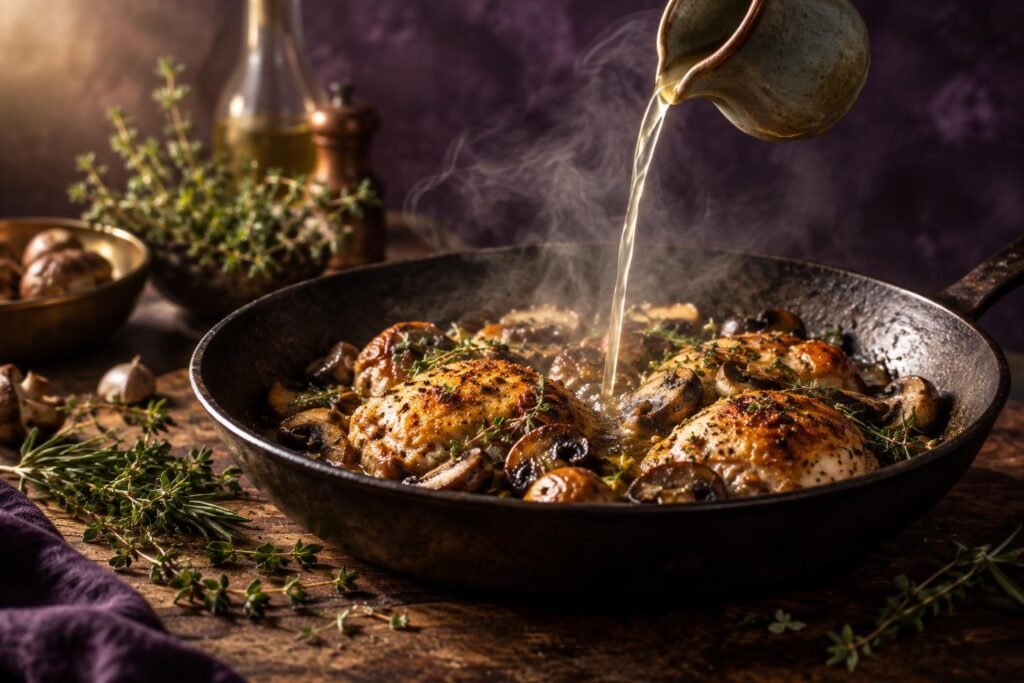
- Deglazing. Splash it into the pan after roasting chicken, fish or mushrooms, scrape, and pour the lot over the top.
- Poaching fruit. Pears, peaches and quinces poached in verjus keep their shape and pick up a clean tartness.
- Instead of white wine. Risotto, creamy chicken sauces, anything where a recipe says a splash of white and you would rather drink the bottle.
- Stopping browning. A little over sliced avocado, artichoke or fennel keeps them looking fresh.
- In a glass. Over ice with soda, lime and mint it makes a decent alcohol-free aperitif.
One rule: add it late. Long cooking blunts the freshness that you bought it for.
Try It Without Cooking Anything

NON 5 Lemon Marmalade and Hibiscus
undefined
- Verjus is the first ingredient, so you taste it straight away
- No alcohol at all, and it behaves like a wine at the table
- Lightly sparkling, so it works as an aperitif
- Not a cooking ingredient, this one is for drinking
- Around twenty eight dollars a bottle, which is wine money
This is the easy way to find out whether you like the flavour before you commit to a bottle of the cooking version. NON was created by chef William Wade and Aaron Trotman as an alcohol-free answer to a sour farmhouse beer, and verjus is the base of it, with Citra hops, lemon verbena, lemongrass, hibiscus, lemon myrtle and preserved lemon on top. That ingredient list comes from the producer. If verjus tastes good to you here, it will taste good in a dressing.
Buying and Storing
Australian verjus is easy to find in good grocers and most large supermarkets, usually in a small bottle near the vinegars. Buy the smallest bottle you can the first time.
Once it is open, keep it in the fridge and use it within a few weeks. It has no alcohol and very little preservative power of its own, so it does not last the way a vinegar does. If it starts to smell of anything other than sour grapes, pour it away.
Frequently Asked Questions
Is verjus alcoholic?
No. The juice is pressed from unripe grapes and stabilised before fermentation can start, so there is no alcohol in it. That is what separates it from wine and from vinegar, which both need fermentation.
What can I use instead of verjus?
Diluted lemon juice is the closest easy swap: three parts lemon juice to one part water. White wine vinegar cut with the same amount of water is a rougher stand-in, and it will fight any wine you serve alongside.
Does verjus taste like vinegar?
No. It is sour without the sharp, pungent smell of acetic acid. Most people describe it as tart green apple or grape rather than anything vinegary.
Can I make verjus at home?
Yes, if you have a vine. Pick the grapes while they are still green and hard, squeeze them, strain the juice and freeze it in ice cube trays. That is the Maggie Beer method, and it is much simpler than the older recipes that involved skimming and salting.
What wine goes with a dish made with verjus?
Almost anything, which is the point. Because verjus shares its acids with wine, it does not flatten the glass the way vinegar does. Match the wine to the main ingredient instead of worrying about the dressing.
Where do I find it in the shops?
Look near the vinegars and cooking wines rather than the juice aisle. Delis and farmers markets in wine regions almost always carry a local one.
This post contains affiliate links. If you buy through them we earn a small commission at no extra cost to you. It keeps the wine flowing and the reviews honest.