Heads up: this guide contains an affiliate link. If you buy through it we earn a small commission at no extra cost to you.
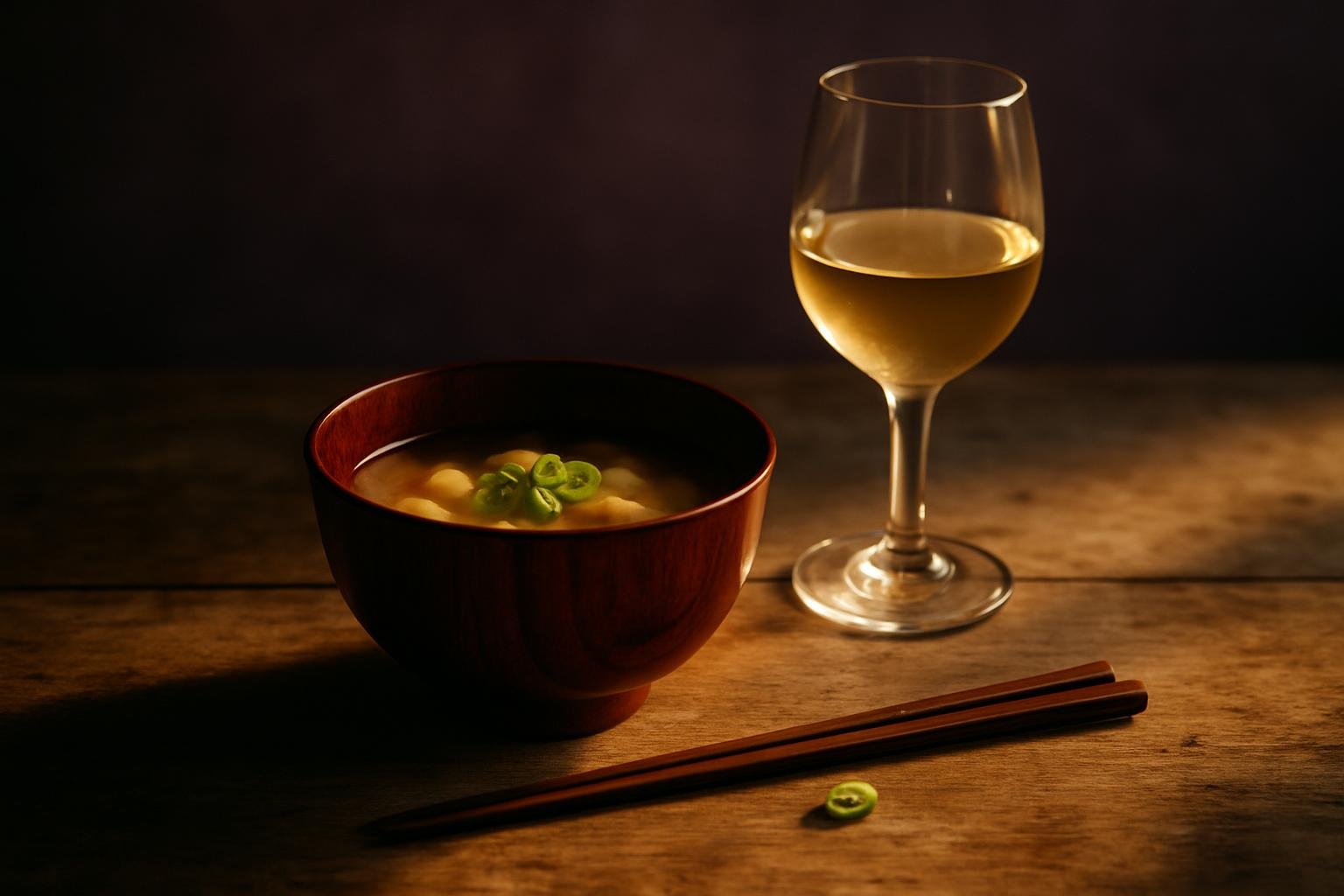
Miso wants a white wine with real acidity and a bit of texture: a Margaret River Chardonnay, a dry Riesling, or a traditional method sparkling. Big tannic reds are the one thing to keep away from the table, because umami and tannin bring out the worst in each other.
Miso is a strange thing to pair. It is salty, savoury, faintly sweet, and loaded with the fermented depth we call umami. That last part is the tricky one, and it is why so many perfectly good bottles taste bitter and thin next to a bowl of miso soup.
Table of Contents
The Short Answer
- Chardonnay with some lees work. Enough body to match the savoury weight, enough acid to keep up. Serve at 10C to 12C.
- Dry Riesling. The acidity slices through the salt and the citrus lifts everything. Serve at 8C.
- Traditional method sparkling. Bubbles plus bready, yeasty depth is a natural match for a fermented paste. Serve at 6C to 8C.
If you want a red, keep it light and low in tannin. A chilled Pinot Noir at about 14C is the safest red in the room.
What Miso Does to Wine
Umami. Miso is fermented soybean paste, and fermentation frees up glutamates, the compounds behind savoury depth. Umami is the hardest taste for wine to handle, because it makes tannin feel harder and bitterness feel stronger while pushing fruit into the background. That is the whole reason a good Cabernet can taste like a mouthful of tea beside a bowl of soup.
Salt. This is the saving grace. Salt does the opposite of umami: it softens bitterness and makes acidity feel gentler. Miso is salty enough to take some of the sting out of the problem all by itself, which is why miso is easier to pair than plain mushrooms or a slab of aged Parmesan.
Sweetness. Most miso dishes carry sugar or mirin, and glazed ones carry a lot. Sweet food makes a dry wine taste sour, so glazed miso dishes want a wine with a touch of sugar of their own, or at least a very ripe one. Our guide to off-dry wine explains where that line sits.
Type matters. White miso is short fermented, milder and sweeter. Red miso is fermented far longer, much saltier and far more intense. A wine that copes with a delicate white miso dressing may be flattened by a red miso ramen.
Best Wines for Miso
Chardonnay
The best all-round answer, as long as it is not a butter bomb. A modern Australian Chardonnay from Margaret River, the Yarra or the Adelaide Hills gives you white peach and citrus, a savoury edge from time on lees, and enough body to sit beside grilled fish without disappearing. Skip the heavily oaked ones, since oak and umami together taste of ash. Our Chardonnay guide explains the styles.
Dry Riesling
Clare Valley and Eden Valley Riesling is bone dry, high in acid and smells of lime and green apple. It cuts through salt better than anything else on this list and costs half what the Chardonnay does. If the dish is glazed and sweet, step up to an off-dry Riesling instead.
Traditional Method Sparkling
Champagne or an Australian traditional method sparkling. The logic is neat: both miso and the wine got their flavour from something living. Yeast autolysis gives the wine bready, savoury notes that meet miso on its own ground, and the bubbles scrub the salt off your palate between mouthfuls. Tank method fizz such as Prosecco is fruitier and less useful here, as our Prosecco and Cava comparison explains.
Grüner Veltliner and Albariño
Two whites that do not get enough love in Australia. Grüner has a white pepper snap that suits miso vegetables, and Albariño is salty and citric in a way that makes seafood taste fresher. Both are dry, both are light, both cost less than they should.
Chilled Pinot Noir
If someone at the table insists on red, this is the one. Pinot Noir has fruit, acidity and almost no tannin, which is exactly the shape you need. Put it in the fridge for twenty minutes first, because a warm Pinot goes soupy. The Pinot Noir guide has more.
Pairing by Miso Dish
| The dish | Pour this | Why |
|---|---|---|
| Miso soup | Dry Riesling or sparkling | Light and salty, so the wine must not overpower it |
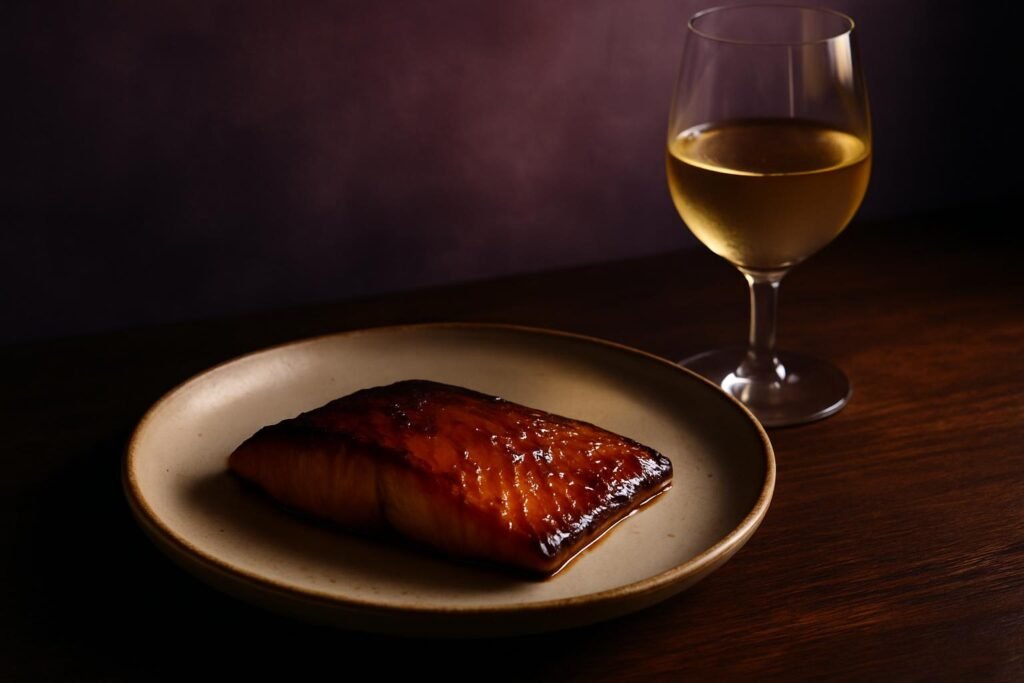
| Miso black cod or miso salmon | Chardonnay or off-dry Riesling | Sweet caramelised glaze plus rich oily fish needs body and a little sugar |
| Miso glazed aubergine | Grüner Veltliner or a chilled Pinot Noir | Sweet, smoky and vegetal, which suits a peppery white or a light red |
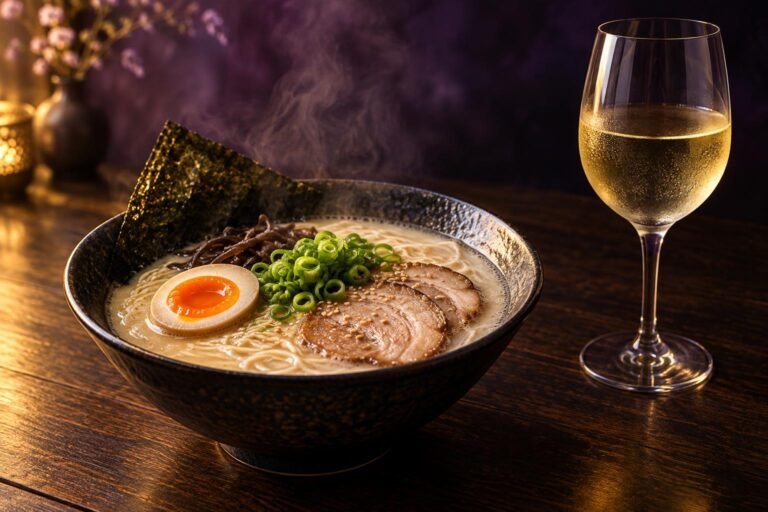
| Miso ramen | Traditional method sparkling | Deep red miso and pork fat need bubbles more than finesse |
| Miso butter vegetables | Chardonnay | Butter meets butter, and the acid keeps it honest |
| Miso marinated chicken | Off-dry Riesling or Pinot Gris | The glaze is sweet, so the wine should be too |
What to Avoid
- Big tannic reds. Cabernet, Shiraz, Nebbiolo. Umami sharpens tannin and the wine turns bitter and metallic.
- Heavily oaked whites. Toasty oak and fermented soybean is a combination nobody has ever asked for.
- Very sweet wines with savoury miso. A dessert wine beside a bowl of soup is just confusing.
- Anything served warm. Salt reads as harsher at room temperature. Cold wine is kinder to salty food.
- High alcohol anything. Salt makes alcohol burn. A 15 per cent white will taste hot next to miso.
Drink One Tonight

Voyager Coastal Margaret River Organic Chardonnay 2025
Margaret River sits on the cool western edge of the country and makes Chardonnay with citrus drive rather than butter. That is exactly the shape miso needs: enough weight to keep up with a glaze, enough acid to handle salt. Serve it around 11C, and let it sit in the glass for five minutes before you decide what you think of it.
- Margaret River Chardonnay is built for grilled fish
- Citrus and white peach rather than heavy oak
- Certified organic fruit from a serious estate
- Handles soup, glaze and grill without changing bottles
- You will want a second one for the leftovers, and there are never leftovers
If You Are Cooking It
Two things change the pairing more than the bottle does. First, never boil miso. Stir it in off the heat, because boiling strips the aroma and leaves the salt behind, which makes the dish harder on wine than it needs to be.
Second, if you are making the famous miso marinated black cod, remember that the marinade is white miso, sugar, sake and mirin, and the fish sits in it for days. That is a genuinely sweet dish by the time it hits the grill. Pour something with ripeness or a touch of sugar, not the driest thing in the fridge. The same logic applies to miso glazed salmon.
Frequently Asked Questions
What wine goes with miso soup?
A dry Riesling or a traditional method sparkling. Miso soup is light and salty, so the wine needs acidity and restraint rather than power.
What wine goes with miso black cod?
A Margaret River or Yarra Valley Chardonnay, or an off-dry Riesling. The dish is rich and sweet from the marinade, so a bone dry, lean white will taste sour beside it.
Can you drink red wine with miso?
A light one, yes. Pinot Noir served slightly chilled is the safest choice. Tannic reds clash badly, because the umami in miso makes tannin taste harsher and strips the fruit out of the wine.
Why does umami make wine taste bad?
It amplifies bitterness and astringency while suppressing fruit. That combination makes a tannic red taste harsh and hollow. Salt, fat and acidity all push back against it, which is why salty miso is easier to pair than plain mushrooms.
Is sake better than wine with miso?
Sake is the traditional partner and it works beautifully, since both are brewed from rice and koji. Wine simply has more range if you are serving miso as part of a wider meal. There is no wrong answer here.
Does white miso pair differently to red miso?
Yes. White miso is milder and slightly sweet, so delicate whites work. Red miso is fermented much longer and is far saltier and stronger, so it needs a wine with more presence, such as sparkling or a fuller Chardonnay.
What about miso in a wider Asian meal?
Then pick one flexible bottle rather than chasing every dish. A dry Riesling or a sparkling will cover most of the table, which is the same advice in our guide to wine with Chinese food. The glass matters less than the temperature.
Smoke does something similar to a wine list, which is why our guide to cedar plank salmon lands on a chilled Pinot Noir rather than a crisp white.
Eating a big bowl of noodles instead? Our guide to wine with ramen covers tonkotsu, shoyu and spicy bowls.
This post contains affiliate links. If you buy through them we earn a small commission at no extra cost to you. It keeps the wine flowing and the reviews honest.