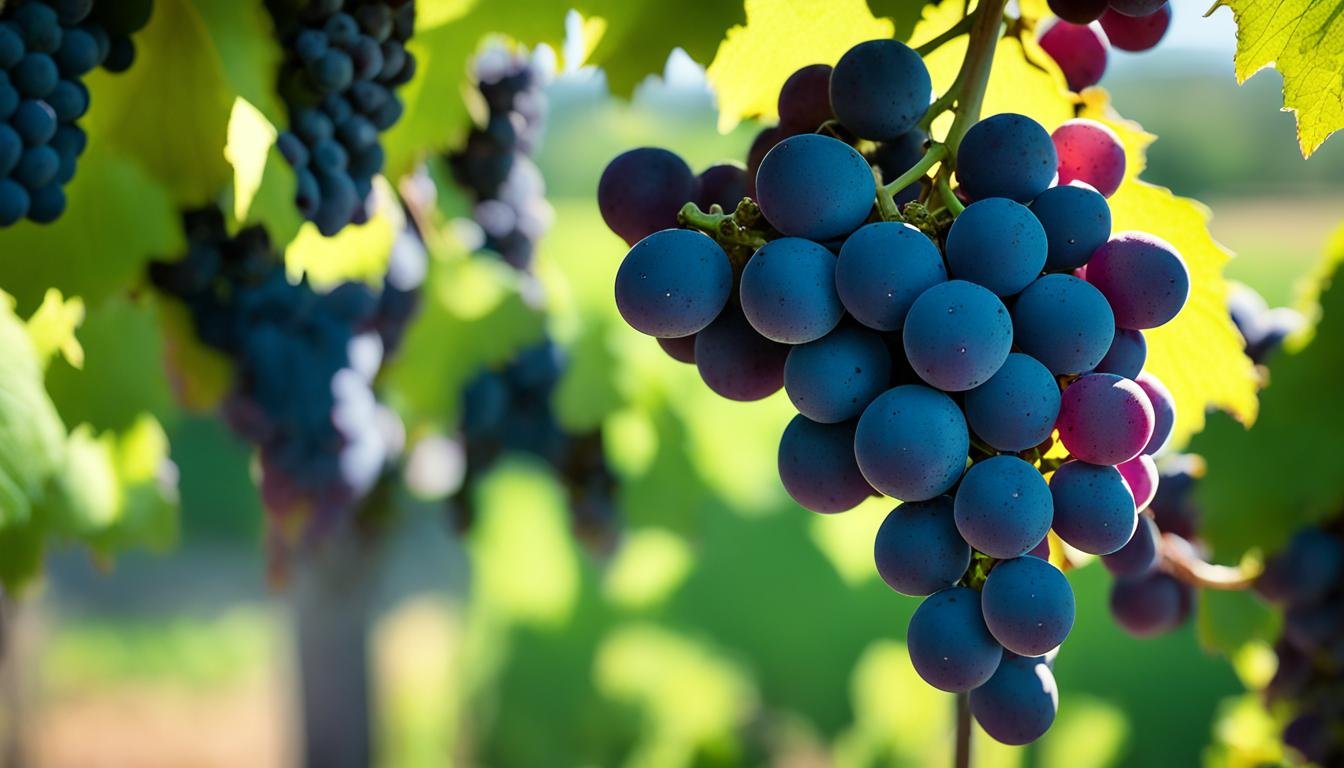
A teinturier grape is a grape whose flesh and juice are red, not just its skin. The word is French for “dyer”, and that is exactly what these grapes were bred to do: dye pale wine a deeper colour. Almost every other red grape in the world, Shiraz and Cabernet included, has clear juice, and all the colour in the wine comes from the skins.
Table of Contents
Why most red grapes have white juice
Squeeze a Shiraz grape and the juice runs clear. The red pigment, a family of compounds called anthocyanins, lives only in the skin. To make red wine, the winemaker ferments the juice with the skins for days or weeks so the colour and tannin soak out. Press the same grapes straight away and you get a white or pink wine. That is how blanc de noirs Champagne is made from black Pinot Noir grapes.
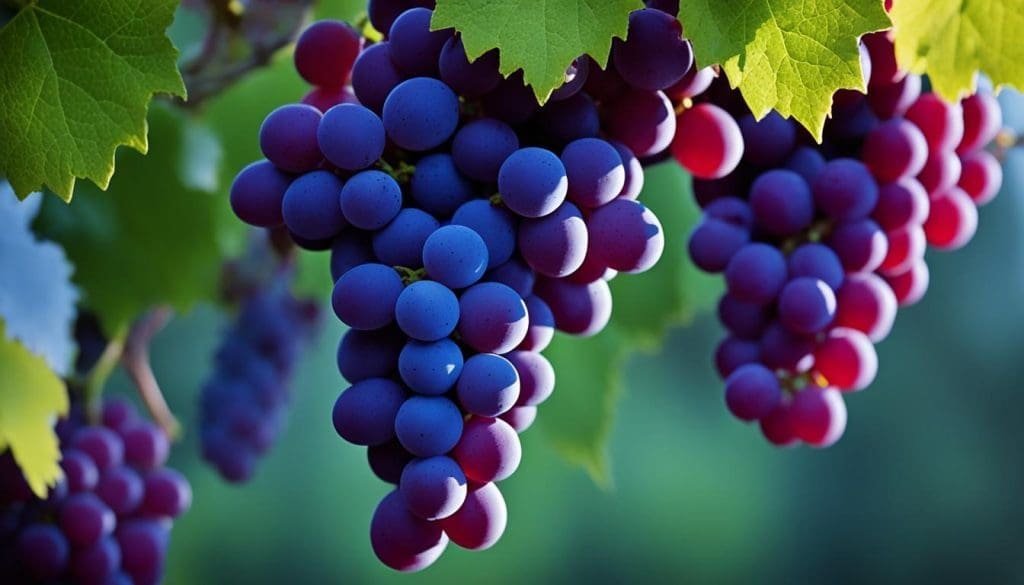
Teinturier grapes break that rule. Anthocyanins build up in the pulp as well as the skin, so the juice runs red from the moment the grape is crushed. Even a quick press gives you a dark wine.
| Normal red grape | Teinturier grape | |
|---|---|---|
| Skin | Red or black | Red or black |
| Flesh and juice | Clear | Red |
| Where the colour comes from | Skin contact during fermentation | Skin and pulp, from the first press |
| Rosé possible? | Yes, with short skin contact | Hard; even the juice is red |
| Traditional job | The wine itself | Adding colour to a paler blend |
What they were bred for
Most teinturiers are crosses made on purpose in the 1800s. The French grower Henri Bouschet crossed Grenache with Petit Bouschet in 1866 to make Alicante Bouschet, and the point was to deepen the colour of thin, high-yielding southern French wines like Aramon. For a century teinturiers were blending grapes, used by the bucket and never named on a label. Alicante Bouschet was also popular during American Prohibition, because a grape with red juice shipped well and could be pressed into “juice” at home.
That reputation as a cheap colouring agent is why the category was ignored for so long, and why the best of them are now being rediscovered as serious wines in their own right.
The teinturier grapes worth knowing
Alicante Bouschet. The original. Inky, rustic, blackberry and spice. Made as a single-variety wine in Alentejo in Portugal and in Spain, where it has become fashionable. Our Alicante Bouschet profile has the tasting notes.
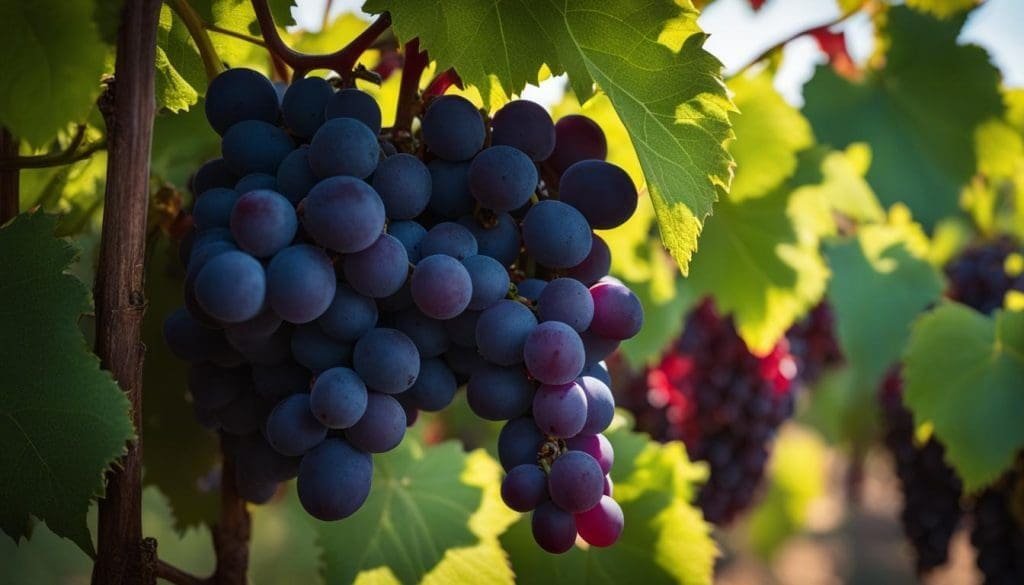
Saperavi. Georgia’s great red grape and the one true teinturier that was never a lab cross; it has been grown there for thousands of years. The name means “dye” in Georgian. It makes deep, dark, high-acid wines that age for decades, often fermented in buried clay qvevri. It is also the teinturier Australia has taken to most: a handful of producers in McLaren Vale, the King Valley and the Granite Belt in Queensland now make it.
Chambourcin. A French-American hybrid, cold-hardy and disease-resistant, with black cherry, tobacco and a green-pepper note that reminds people of Cabernet Franc. It found a home in the humid Hunter Valley and on the New South Wales north coast, where hardier vines make sense; Cassegrain at Port Macquarie built a reputation on it.
Dunkelfelder and Rubired. Two you will rarely see on a label. Dunkelfelder is a German teinturier used to darken Pinot Noir and Dornfelder blends. Rubired is a Californian cross grown almost entirely for colour and for grape juice concentrate.
The full list of grapes on this site, teinturiers included, is in our grape varieties A to Z.
What a teinturier wine tastes like
Colour is not flavour, and a glass of Saperavi does not taste “more red” than a glass of Shiraz. What you do get is intensity: thick skins mean firm tannin, and the extra pigment usually travels with dark-fruit flavours, blackberry and black cherry rather than raspberry. Saperavi adds bright acidity, which keeps it fresh; Alicante Bouschet and Chambourcin are softer. All three want food: lamb, slow-cooked beef, hard cheese, anything off a grill.
The one thing to know at the shop is that teinturier wines stain. A Saperavi will mark a white tablecloth or a tooth faster than any Shiraz, so serve it with dark napkins and a sense of humour.
Frequently asked questions
Is Shiraz a teinturier grape?
No. Shiraz has clear juice; its deep colour comes from thick skins and long skin contact. The same goes for Cabernet Sauvignon, Merlot and Pinot Noir.
Are teinturier wines better or worse?
Neither. For a century they were used for colour and made in bulk, which gave them a poor name. Made with care, Saperavi and Alicante Bouschet are excellent. The grape does not decide quality; the grower does.
Can you make white wine from a teinturier grape?
Not really. Because the juice is already red, even a gentle press gives a pink or red wine. That is the whole definition.
Where can I try one in Australia?
Look for Saperavi from McLaren Vale, the King Valley or the Granite Belt, and Chambourcin from the Hunter Valley or the New South Wales north coast. Independent bottle shops and cellar doors are your best bet; the big chains rarely stock them.