Heads up: this guide contains an affiliate link. If you buy through it we earn a small commission at no extra cost to you.
Dolcetto means “little sweet one” in Italian, and it is a lie. The wine is dry. The name refers to the grape, which is sweet and easy to ripen, and to the wine’s soft, gentle character next to its ferocious Piedmont neighbours. If Nebbiolo is the professor and Barbera the hard-working middle child, Dolcetto is the one who turns up at dinner with a smile and a bottle for everyone.
It is the red Piedmontese families actually drink most nights, because it is ready young, goes with the antipasti, and does not need a decanter or a decade. In Australia it has a small, devoted following, mostly among people who have discovered it is the perfect pizza wine.
Table of Contents
What Does Dolcetto Taste Like?
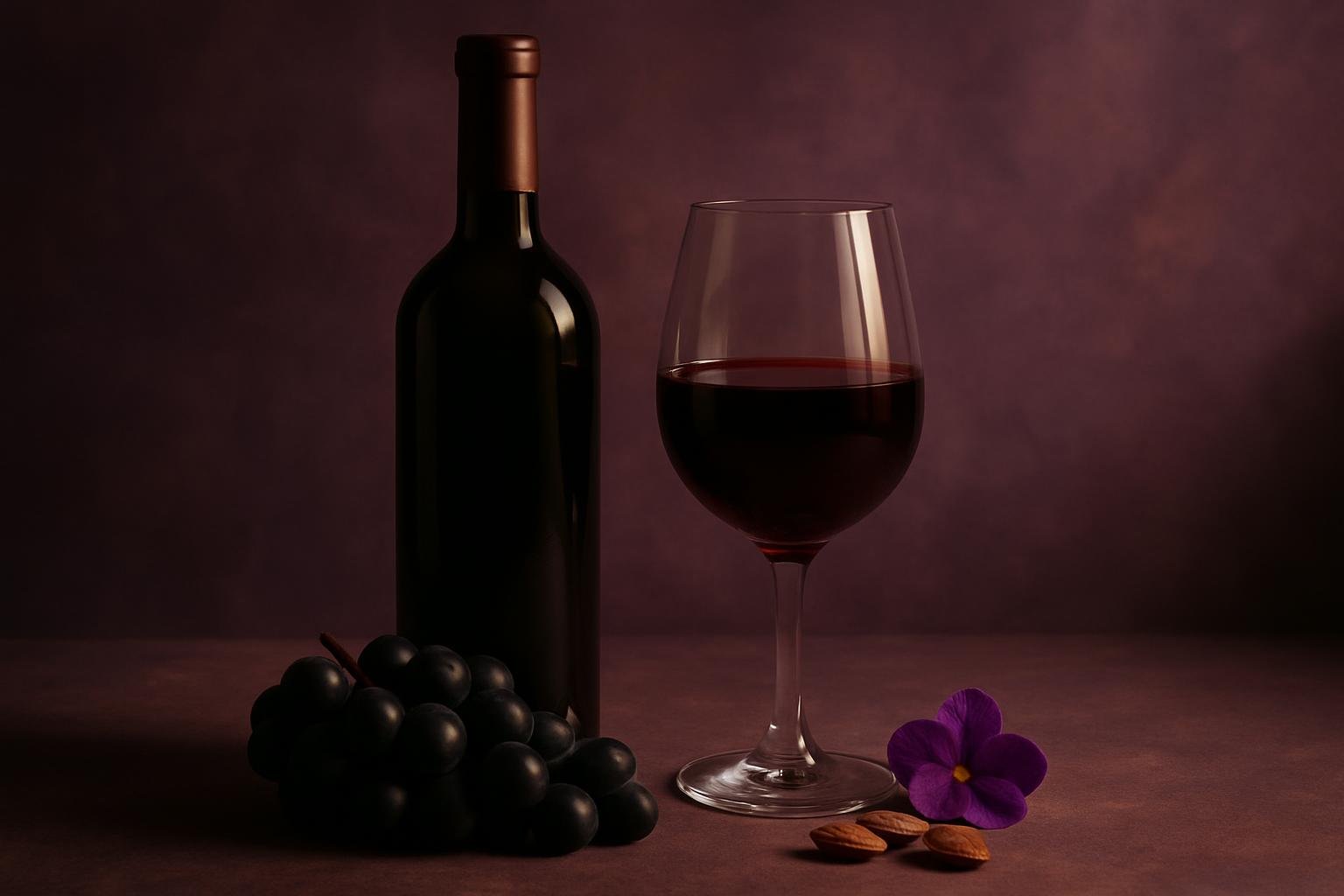
Black cherry, blackberry, plum and liquorice, with violets, almond and a gently bitter, cocoa-like finish. It is deeply coloured, medium in body, low in acidity for a Piedmont red, and carries more tannin than its soft reputation suggests, though it is round rather than harsh. Nearly always unoaked and meant to be drunk within a few years.
| Aspect | Rating out of 5 | Characteristic |
|---|---|---|
| Sweetness | 🍷 | Dry, despite the name |
| Body | 🍷🍷🍷 | Medium, a weeknight red |
| Tannins | 🍷🍷🍷 | Rounder than you expect, with a cocoa edge |
| Acidity | 🍷🍷 | Low for Piedmont, which is why it drinks so easily |
| Alcohol by Volume | 🍷🍷🍷 | Moderate, usually 12.5–13.5% |
Each wine glass icon is one point on a 5-point scale: one glass is low, five is high, based on the grape’s typical style.
Where It Grows
Piedmont in north-west Italy, and specifically the Langhe and Monferrato hills. Dogliani makes the most serious version and has its own DOCG; Dolcetto d’Alba and Dolcetto d’Asti are the everyday names. It ripens early, so it gets the cooler, less-favoured sites that Nebbiolo would sulk in. A little grows in Liguria as Ormeasco.
Australia has had Dolcetto since the 1860s, oddly enough: Best’s in Great Western has vines from that era, among the oldest Dolcetto in the world. The King Valley, the Adelaide Hills, McLaren Vale and the Barossa make small amounts, usually soft, juicy and under twenty-five dollars. It deserves more attention than it gets.
How to Serve It
Temperature: 15–17°C, with a light chill on hot days.
Glass: a medium red bowl; see the glasses roundup.
Decanting: not needed. Dogliani can take half an hour.
Ageing: drink within three years. Dogliani improves for five or so.
What to Eat With It
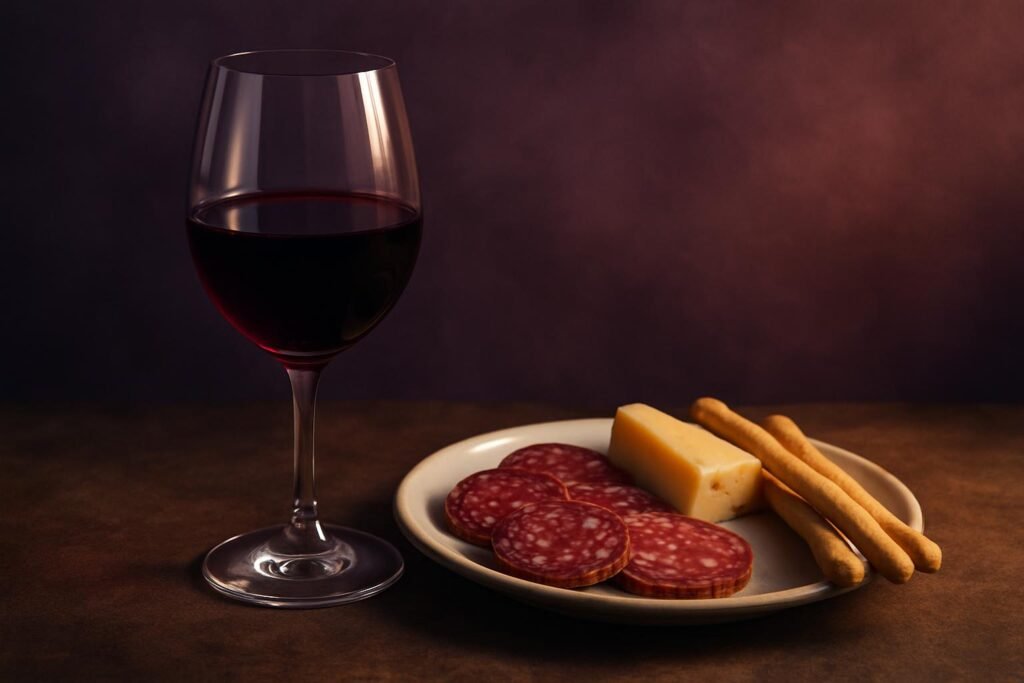
Antipasti, pizza, salami, tajarin pasta with butter and sage, ravioli, minestrone and roast pork. Its low acid means it prefers gentler dishes to sharp tomato sauces, where Barbera wins. More in the pairing guides.
Celebrated Wine Labels
| Wine Label | Country | Style |
|---|---|---|
| Marcarini | Italy | Boschi di Berri, from pre-phylloxera vines |
| Pecchenino | Italy | Dogliani specialists, serious Dolcetto |
| Vietti | Italy | Alba classics across the range |
| Chionetti | Italy | Dogliani, traditional and pure |
| Best’s Great Western | Australia | 1860s Dolcetto vines, a living museum |
Can’t Find One? Drink This Instead
Honesty corner: our partner shop had no Dolcetto in stock when we checked. The closest match is a soft, plummy Merlot: the same easy tannin, the same dark fruit, the same knack for a weeknight pizza.

No Evil Central Ranges Organic Merlot 2022
Not Dolcetto, but a soft organic Merlot is the nearest thing to a Piedmont weeknight on the shelf. When a Dolcetto d’Alba lands in stock, it takes this spot.
- Soft, plummy and easy, the same job Dolcetto does on a weeknight
- Certified organic from cool-climate NSW
- Pizza, antipasti and roast pork all work
- Around fifteen dollars
- Rounder and less bitter-almond than a real Dolcetto
New to Just Wines? The code FIRST20 takes $20 off a first order over $99, so it is worth building a mixed six rather than buying the one bottle. New customers only, and the offer can change without notice.
Frequently Asked Questions
Is Dolcetto sweet?
No. The name means “little sweet one” but refers to the grape, not the wine. Dolcetto is a dry red with a gently bitter finish.
How do you pronounce Dolcetto?
Dol-CHET-to. The “ce” is a “ch” sound.
Is Dolcetto similar to Barbera?
They are Piedmont neighbours but opposites in one way: Barbera has high acid and low tannin, Dolcetto has low acid and more tannin. Barbera suits tomato sauces; Dolcetto suits antipasti and roast meats. Read our Barbera guide for the comparison.
Should Dolcetto be aged?
Mostly no. It is made to drink within three years, while the fruit is fresh. Dogliani, the top appellation, can go five or more.
Does Australia grow Dolcetto?
Yes, and has since the 1860s. Best’s in Great Western has some of the oldest Dolcetto vines in the world, and the King Valley, Adelaide Hills and McLaren Vale make small amounts.
This post contains affiliate links. If you buy through them we earn a small commission at no extra cost to you. It keeps the wine flowing and the reviews honest.