Heads up: this guide contains an affiliate link. If you buy through it we earn a small commission at no extra cost to you.
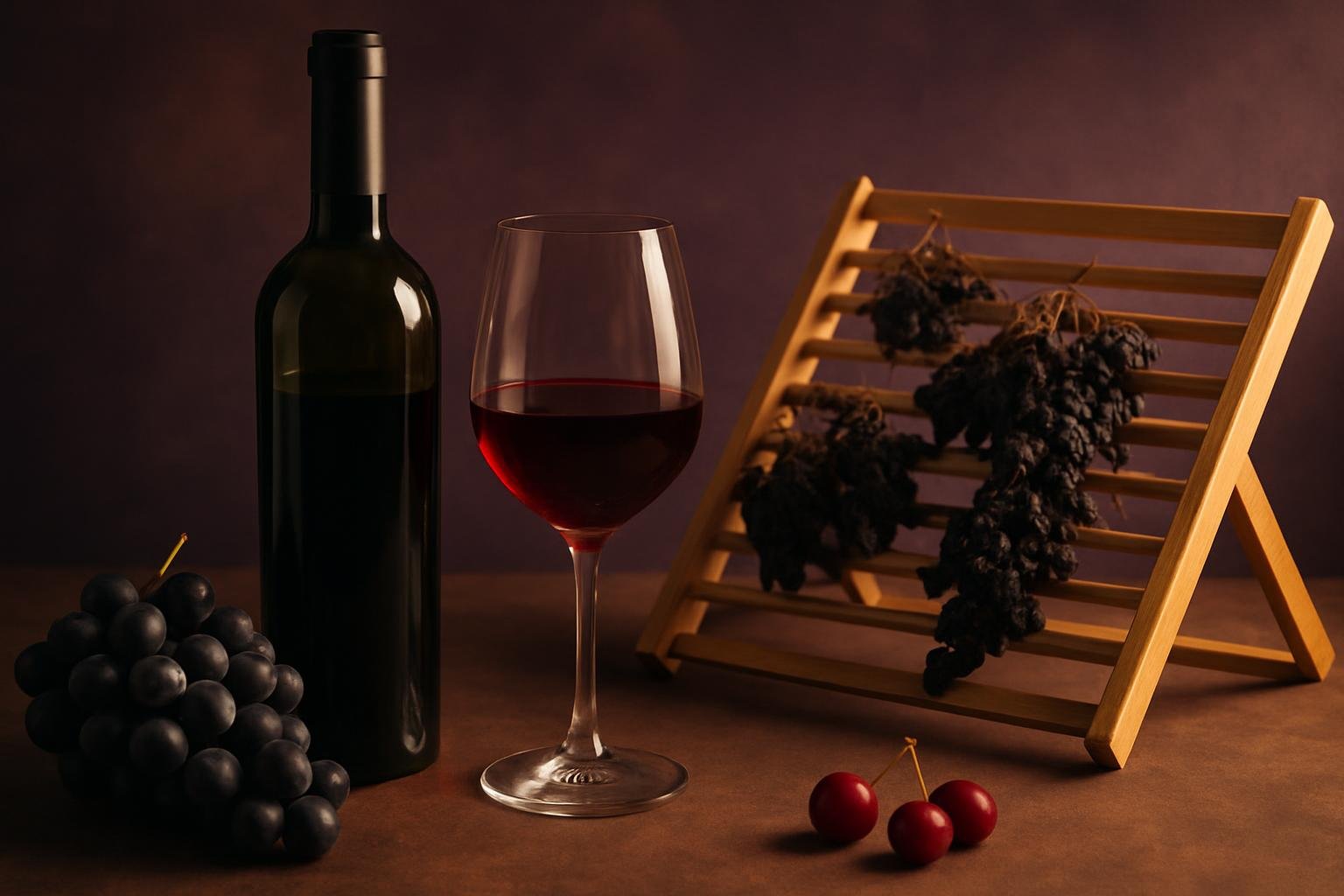
Corvina is the grape behind three of Italy’s best-known reds, and almost nobody knows its name. Valpolicella, the light, cherry-scented lunch red; Ripasso, its richer big brother; and Amarone, the dark, brooding giant made from grapes dried on racks until they are halfway to raisins. All three come from the hills north of Verona, and all three are mostly Corvina.
So it is a grape with range. Fresh and frisky at one end, sixteen percent and tasting of figs and chocolate at the other. It is also the grape that Romeo and Juliet would have drunk, if they had lived long enough to order a bottle.
Table of Contents
What Does Corvina Taste Like?
Sour cherry, red plum and cranberry, with almond, dried herbs, a touch of cinnamon and a gentle bitter twist on the finish. Straight Valpolicella is light, fresh and low in tannin, with lively acidity. Ripasso adds body and dried-fruit depth. Amarone is full, velvety and powerful, with fig, raisin, chocolate and 15 percent alcohol or more. The scores below are for the everyday Valpolicella style.
| Aspect | Rating out of 5 | Characteristic |
|---|---|---|
| Sweetness | 🍷 | Dry, with cherries that hint at sweetness |
| Body | 🍷🍷 | Light in Valpolicella; Amarone is another beast |
| Tannins | 🍷🍷 | Soft and gentle |
| Acidity | 🍷🍷🍷🍷 | Bright and fresh, the reason it suits lunch |
| Alcohol by Volume | 🍷🍷🍷 | Moderate, 12–13% for Valpolicella; 15%+ for Amarone |
Each wine glass icon is one point on a 5-point scale: one glass is low, five is high, based on the grape’s typical style.
Where It Grows
Valpolicella in the Veneto, north of Verona, is the only place that matters. The Classico zone in the hills makes the best wines, and Corvina is nearly always blended with its relatives Corvinone and Rondinella. A little grows around Lake Garda for Bardolino, a lighter cousin. Outside Italy it is a rarity.
Australia has a handful of Corvina plantings, mostly in the King Valley and Heathcote, where growers with Veneto roots have tried their hand at Amarone-style dried-grape wines. They are rare and worth seeking out. For everyday drinking, imported Valpolicella is easy to find and very well priced.
How to Serve It
Temperature: 14–16°C for Valpolicella, which likes a light chill. 17–18°C for Amarone.
Glass: a medium red bowl for Valpolicella, a big Burgundy bowl for Amarone; see the glasses roundup.
Decanting: not for Valpolicella. Amarone wants an hour or two in a decanter.
Ageing: Valpolicella within three years, Ripasso within eight, Amarone for twenty or more.
What to Eat With It
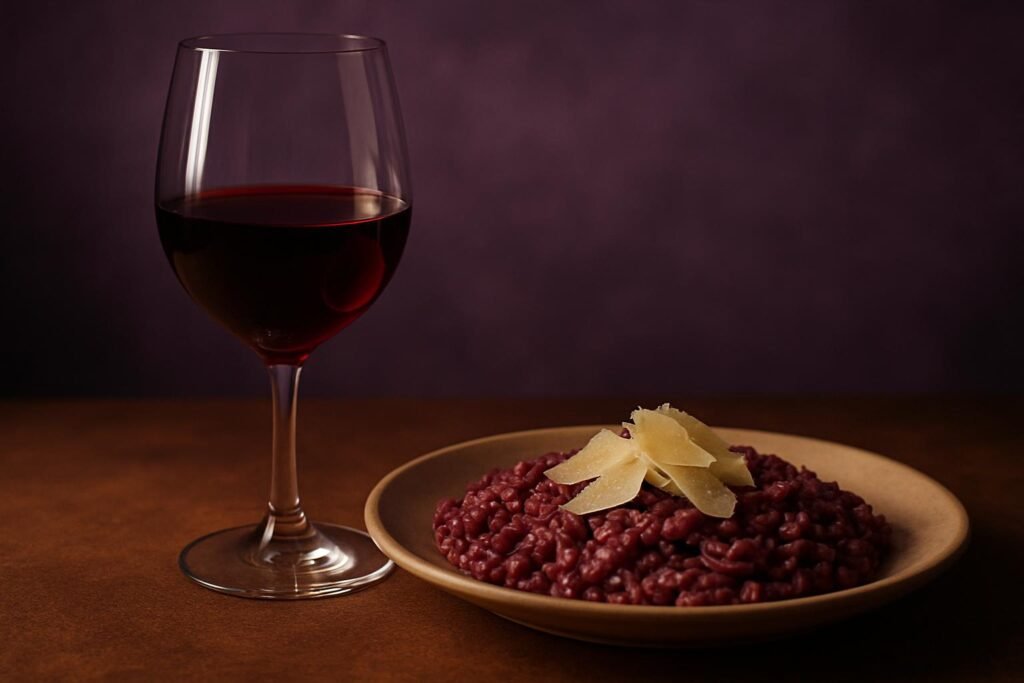
Valpolicella suits pizza, ravioli, salami, risotto and rotisserie chicken. Ripasso handles braised meats and lasagne. Amarone wants slow-cooked beef, game, aged cheese or, on its own, a fireplace. More in the pairing guides.
Celebrated Wine Labels
| Wine Label | Country | Style |
|---|---|---|
| Giuseppe Quintarelli | Italy | The Amarone legend, mythic and expensive |
| Allegrini | Italy | Modern Valpolicella benchmark |
| Bertani | Italy | Historic house, classic aged Amarone |
| Tedeschi | Italy | Family estate, reliable across the range |
| Zenato | Italy | Widely available Ripasso and Amarone |
Can’t Find One? Drink This Instead
Honesty corner: our partner shop had no Valpolicella or Corvina in stock when we checked. The closest match on the shelf is a light, cherry-scented Pinot Noir: the same fresh red fruit, the same soft tannin, the same happiness beside a pizza.

Tamburlaine Central Ranges Preservative Free Pinot Noir 2025
Not Corvina, but a fresh Pinot Noir is the nearest thing to a Valpolicella lunch on the shelf. When a Valpolicella Classico lands in stock, it takes this spot.
- Light, cherry-fruited and soft, the same job Valpolicella does at lunch
- Preservative free from an organic Australian pioneer
- Pizza, ravioli and charcuterie all work
- Under twenty dollars
- Misses Corvina's almond and dried-herb twist
New to Just Wines? The code FIRST20 takes $20 off a first order over $99, so it is worth building a mixed six rather than buying the one bottle. New customers only, and the offer can change without notice.
Frequently Asked Questions
What is the difference between Valpolicella, Ripasso and Amarone?
Same grapes, different methods. Valpolicella is made normally and is light and fresh. Amarone is made from grapes dried for months before fermentation, giving a rich, powerful wine. Ripasso is Valpolicella re-fermented on the leftover Amarone skins, landing in between.
Is Corvina similar to Pinot Noir?
In its light Valpolicella form, yes: pale, cherry-scented, soft and fresh. Read our Pinot Noir guide for the comparison. Amarone is closer to a big Shiraz in weight.
How do you pronounce Corvina?
Cor-VEE-na. Amarone is a-ma-RO-nay, and Valpolicella is val-po-li-CHEL-la.
Is Amarone sweet?
No, though it can taste that way. Drying the grapes concentrates the sugar, and most of it ferments to alcohol, leaving a dry but rich, raisiny wine. Recioto della Valpolicella is the sweet version.
Does Australia make Amarone-style wine?
A few producers in the King Valley and Heathcote dry grapes the Amarone way, sometimes with Corvina, sometimes with Shiraz or Nebbiolo. They are labelled “appassimento” or “dried grape” rather than Amarone, which is a protected name.
This post contains affiliate links. If you buy through them we earn a small commission at no extra cost to you. It keeps the wine flowing and the reviews honest.