Heads up: this guide contains an affiliate link. If you buy through it we earn a small commission at no extra cost to you.
Marsanne is a Rhône white with a Victorian passport. It makes the great, waxy, long-lived whites of Hermitage in France, and it also grows at Tahbilk in Victoria’s Nagambie Lakes on vines planted in 1927 that are, as far as anyone can tell, the oldest Marsanne vines on the planet. Australia has more Marsanne than France does. That is not a typo.
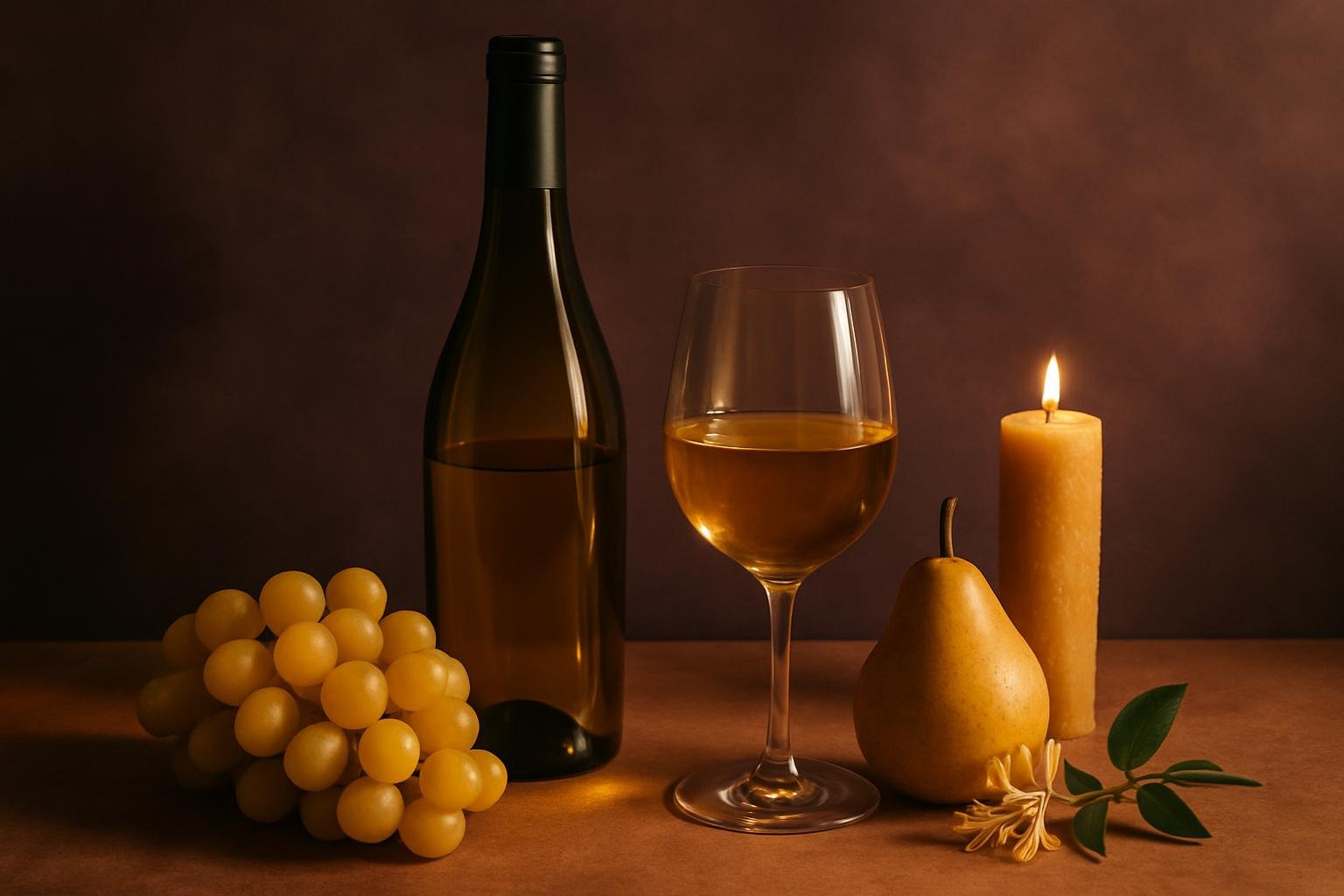
It is a white for people who find Sauvignon Blanc thin and Chardonnay obvious: honeysuckle and pear when young, then honey, beeswax, nuts and marmalade after a decade in the bottle, when it turns into something close to a great white Burgundy at a fraction of the price.
Table of Contents
What Does Marsanne Taste Like?
Young: pear, quince, honeysuckle, lemon and a touch of almond, with a waxy, slightly oily texture and gentle acidity. With age: honey, beeswax, toasted nuts, dried apricot and orange marmalade, richer and deeper every year. It is medium to full in body, dry, and usually unoaked in Australia.
| Aspect | Rating out of 5 | Characteristic |
|---|---|---|
| Sweetness | 🍷 | Dry, with honeysuckle that fools the nose |
| Body | 🍷🍷🍷🍷 | Medium to full, waxy and generous |
| Tannins | – | None; smooth as candle wax |
| Acidity | 🍷🍷 | Gentle, which is why the texture matters |
| Alcohol by Volume | 🍷🍷🍷 | Moderate, usually 12.5–13.5% |
Each wine glass icon is one point on a 5-point scale: one glass is low, five is high, based on the grape’s typical style.
Where It Grows
The northern Rhône is the homeland: Hermitage, Crozes-Hermitage and Saint-Joseph make white wines from Marsanne, usually blended with Roussanne, and a splash goes into some Hermitage reds. The southern Rhône and the Languedoc grow it too, and small plantings exist in Switzerland, California and Spain.
Victoria is its second and arguably more important home. Tahbilk’s 1927 vines are the world’s oldest, and the Goulburn Valley, Nagambie and Yarra Valley all grow it. Mitchelton and Tahbilk built their names on it, and a few Barossa and McLaren Vale makers blend it Rhône-style with Roussanne and Viognier. It thrives in our warm, dry conditions.
How to Serve It
Temperature: 9–11°C. Slightly warmer than a crisp white, so the texture shows.
Glass: a Chardonnay-style bowl; see the glasses roundup.
Decanting: aged Marsanne opens up with a little air, so a short decant is not silly.
Ageing: its party trick. Tahbilk Marsanne is famous for improving over ten to twenty years, going from simple to honeyed and complex.
What to Eat With It
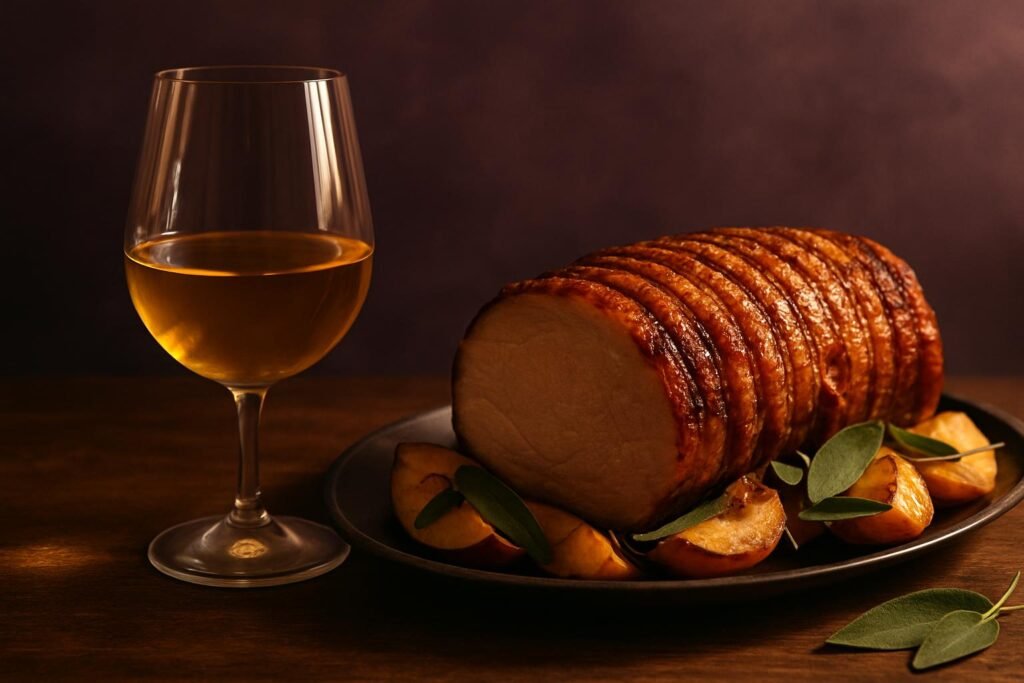
Roast chicken, pork with apples, creamy pasta, salmon, mushroom dishes, mild curries and nutty cheeses. Aged bottles suit richer food, from roast pork to a cheese board. More in the pairing guides.
Celebrated Wine Labels
| Wine Label | Country | Style |
|---|---|---|
| Tahbilk | Australia | 1927 vines, the world’s oldest Marsanne |
| M. Chapoutier | France | Hermitage white, waxy and monumental |
| Jean-Louis Chave | France | Hermitage benchmark, long-lived |
| Mitchelton | Australia | Nagambie Lakes, Marsanne pioneers |
| Yeringberg | Australia | Yarra Valley Marsanne Roussanne, cult status |
Can’t Find One? Drink This Instead
Honesty corner: our partner shop had no Marsanne in stock when we checked. The closest match on the shelf is a textural, lightly oaked Chardonnay: the same weight, the same stone-fruit and nut character, the same love of roast chicken.

Tamburlaine Central Ranges Organic Chardonnay 2025
Not Marsanne, but a textural organic Chardonnay covers the same dinner. When a Tahbilk Marsanne lands in stock, it takes this spot.
- Textural and stone-fruited, the same job Marsanne does at the table
- Certified organic from an Australian organic pioneer
- Roast chicken, creamy pasta and salmon all work
- Under twenty dollars
- More citrus and less honeysuckle than Marsanne; will not age the same way
New to Just Wines? The code FIRST20 takes $20 off a first order over $99, so it is worth building a mixed six rather than buying the one bottle. New customers only, and the offer can change without notice.
Frequently Asked Questions
What does Marsanne taste like?
Pear, honeysuckle and quince when young, turning to honey, beeswax and toasted nuts with age. It is dry, waxy in texture and gentle in acidity.
Is Marsanne similar to Chardonnay?
In weight and texture, yes. Marsanne is more floral and honeyed, Chardonnay more citrus and, often, oaky. Read our Chardonnay guide for the comparison.
Why is Tahbilk Marsanne famous?
Because its vines were planted in 1927, making them the oldest Marsanne in the world, and because the wine is cheap young and remarkable with a decade of age. It is one of Australia’s great cellar bargains.
What is the difference between Marsanne and Roussanne?
They are Rhône partners, usually blended. Marsanne is richer, waxier and lower in acid; Roussanne is more aromatic, with herbal-tea and apricot notes and brighter acidity. See our Roussanne guide.
Should you age Marsanne?
If it is a good one, absolutely. Five to fifteen years transforms it. Everyday bottles are fine young.
This post contains affiliate links. If you buy through them we earn a small commission at no extra cost to you. It keeps the wine flowing and the reviews honest.