Heads up: this guide contains an affiliate link. If you buy through it we earn a small commission at no extra cost to you.
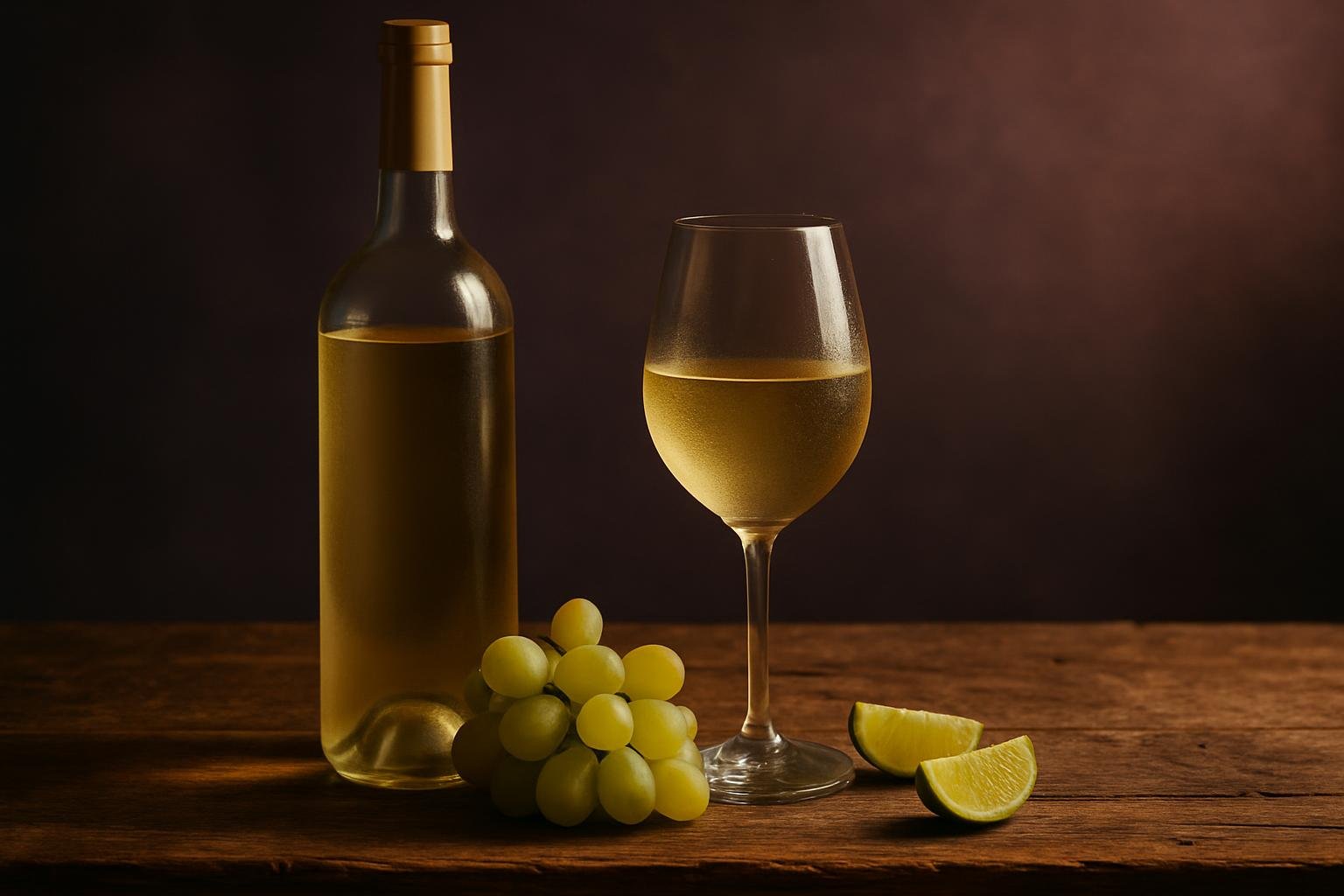
Sauvignon Blanc is the extrovert of the white wine world: zippy, aromatic and incapable of subtlety. One sniff and it announces itself from across the room: cut grass, passionfruit, lime, gooseberry. It is the most instantly recognisable wine on Earth, and Australia and New Zealand drink it like it is a competitive sport.
Snobs occasionally sneer at its popularity, which tells you everything about snobs and nothing about the wine. Being delicious and easy to love is not a character flaw.
Table of Contents
What Does Sauvignon Blanc Taste Like?
Green and tropical at once: think lime, green apple and freshly mown grass tangled up with passionfruit and guava. High acidity keeps it electric, and there is virtually never any oak in the way.
| Aspect | Rating out of 5 | Characteristic |
|---|---|---|
| Sweetness | 🍷 | Bone dry as a rule, like a comedian who never laughs at their own jokes |
| Body | 🍷🍷 | Light-bodied and nimble, built for sunshine rather than firesides |
| Tannins | – | None to speak of, smooth sailing all the way |
| Acidity | 🍷🍷🍷🍷🍷 | Zingy and electric, like a text message that ends in three exclamation marks |
| Alcohol by Volume | 🍷🍷🍷 | Usually 12–13.5%, refreshing rather than warming |
Each wine glass icon is one point on a 5-point scale: one glass is low, five is high, based on the grape’s typical style.
Where It Grows
France’s Loire Valley (Sancerre, Pouilly-Fumé) built the elegant blueprint, but New Zealand’s Marlborough hijacked the grape in the 1980s and made it a global superstar: louder, fruitier and impossible to ignore. In Australia, the Adelaide Hills and Margaret River grow excellent versions, with Margaret River often blending it with Semillon for extra polish.
How to Serve It
Temperature: 6–8°C, properly cold. This is the rare wine that shrugs off a hard chill and comes up smiling.
Glass: a narrower bowl keeps it cold and focuses those aromatics; our Riedel Winewings Sauvignon Blanc review covers the specialist option, and the glasses roundup the sensible ones.
Decanting: never. Air is this grape’s enemy; open, pour, enjoy.
Ageing: drink it young and lively. A rare oaked Bordeaux style can age, but the Marlborough magic is a fireworks display, not a slow burn.
What to Eat With It
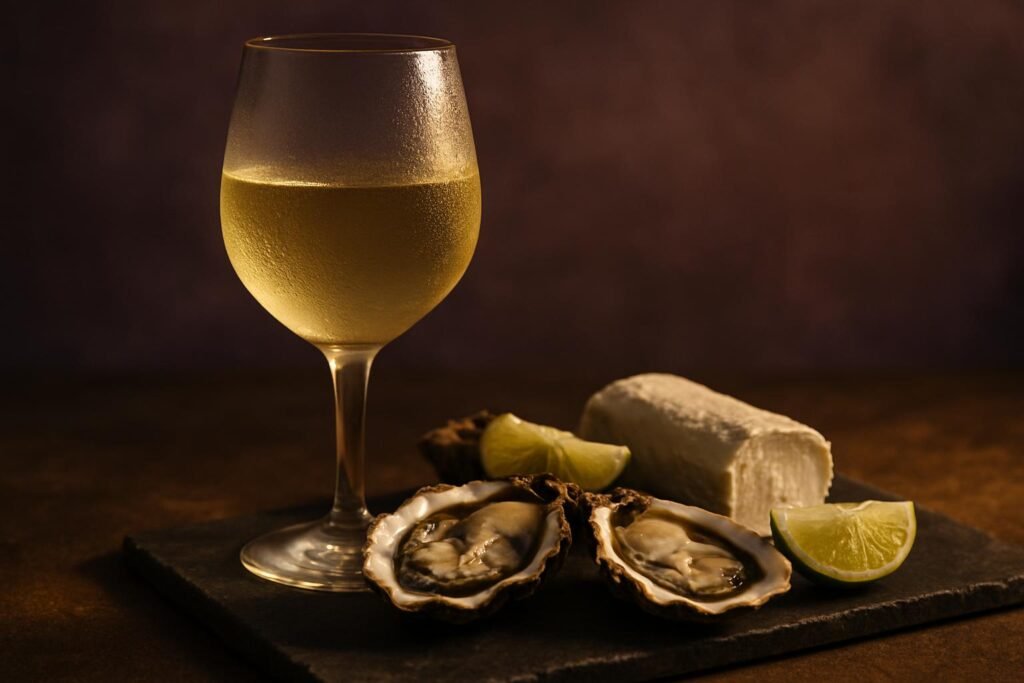
Goat’s cheese is the legendary match, and it is one of the few wines that befriends asparagus. Delicate white fish adores it: our cod pairing guide makes the case. Oysters, Thai salads and anything with lime and coriander complete the picture. More in the pairing guides.
Celebrated Wine Labels
| Winery | Region | Note |
|---|---|---|
| Domaine Didier Dagueneau | Loire Valley, France | A maverick producer, revered for exquisite, terroir-driven wines. |
| Cloudy Bay | Marlborough, New Zealand | Pioneers of the New Zealand style, vibrant and expressive. |
| Château Smith Haut Lafitte | Bordeaux, France | A Bordeaux icon, blending tradition with innovation. |
| Dog Point | Marlborough, New Zealand | Exceptional wines showcasing the region’s unique character. |
| Leeuwin Estate | Margaret River, Australia | Bringing Australian polish to the variety. |
Drink One Tonight

Kamana Marlborough Sauvignon Blanc
If you want to understand why the world went mad for Marlborough, this is the affordable masterclass. Chill it hard, find some goat’s cheese, and let the fireworks off.
- The real Marlborough article: passionfruit, lime, cut grass
- Screaming acidity that makes food taste better
- No oak, no fuss, no waiting
- The benchmark style at a sensible price
- Cloudy Bay's accountant will not thank us
New to Just Wines? The code FIRST20 takes $20 off a first order over $99, so it is worth building a mixed six rather than buying the one bottle. New customers only, and the offer can change without notice.
Frequently Asked Questions
Where does the name Sauvignon Blanc come from?
From the French sauvage (wild) and blanc (white), because the grape grew like an untamed vine in its native France. “Wild white” remains a fair description of its personality.
Is Sauvignon Blanc sweet or dry?
Dry, almost without exception. The tropical fruit aromas can suggest sweetness, but the wine itself finishes crisp and clean. Anyone calling it sweet is being fooled by passionfruit.
What is the difference between Sancerre and Marlborough Sauvignon Blanc?
Same grape, different volume settings. Sancerre is mineral, restrained and flinty; Marlborough is exuberant, tropical and proud of it. One whispers, the other does karaoke, and both are wonderful.
Is Sauvignon Blanc related to Cabernet Sauvignon?
It is literally its parent. Sauvignon Blanc crossed with Cabernet Franc centuries ago to produce Cabernet Sauvignon. A zippy white giving the world its most famous red is quite the family plot twist.
Should Sauvignon Blanc be aged?
No. Buy it, chill it, drink it while it still crackles. With rare oaked exceptions, this grape’s whole appeal is youthful energy, and the current vintage is nearly always the right answer.
Spain’s zesty cousin is next on the list: our Verdejo guide.
A whole bowl of leaves brings its own problems, and our guide to wine pairing with salad explains why the dressing matters more than the greens.
If you want the cool-climate opposite of this style, the Adelaide Hills wine region sits in the ranges nearby and makes something completely different from the same state.
If you are matching a wine to a plate of prawns or a whole fish, our guide to wine with seafood breaks it down by what is actually on the plate.
For a summer plate that shows this grape at its best, see our guide to wine with feta and tomatoes.
This post contains affiliate links. If you buy through them we earn a small commission at no extra cost to you. It keeps the wine flowing and the reviews honest.