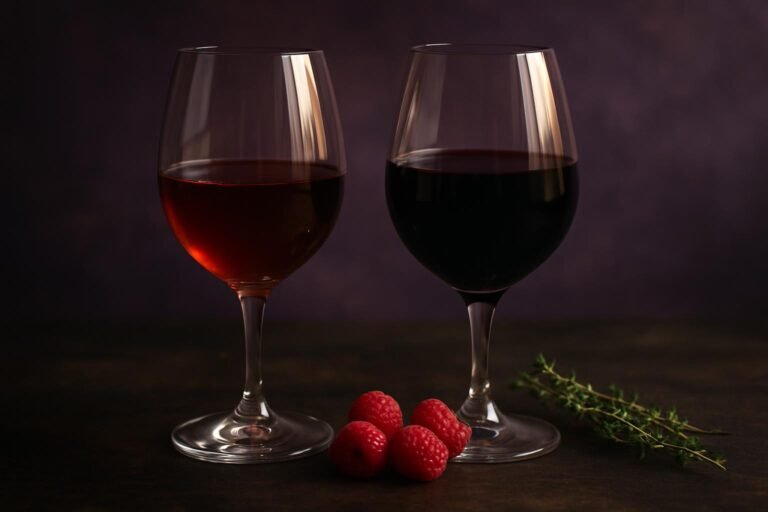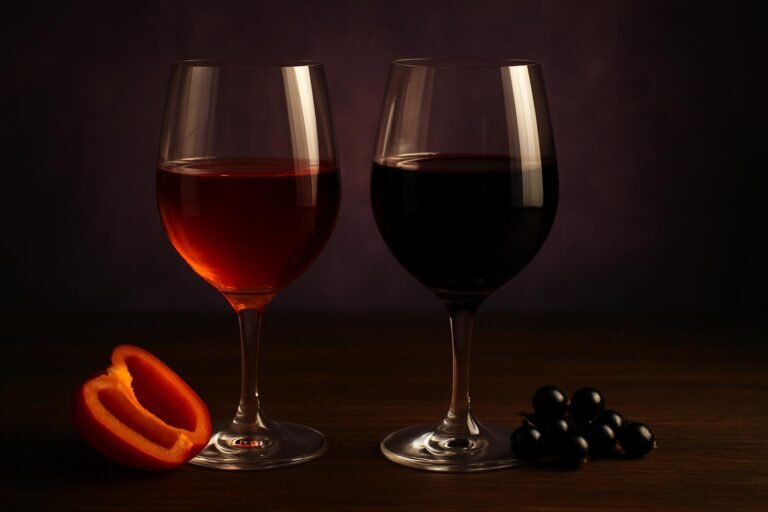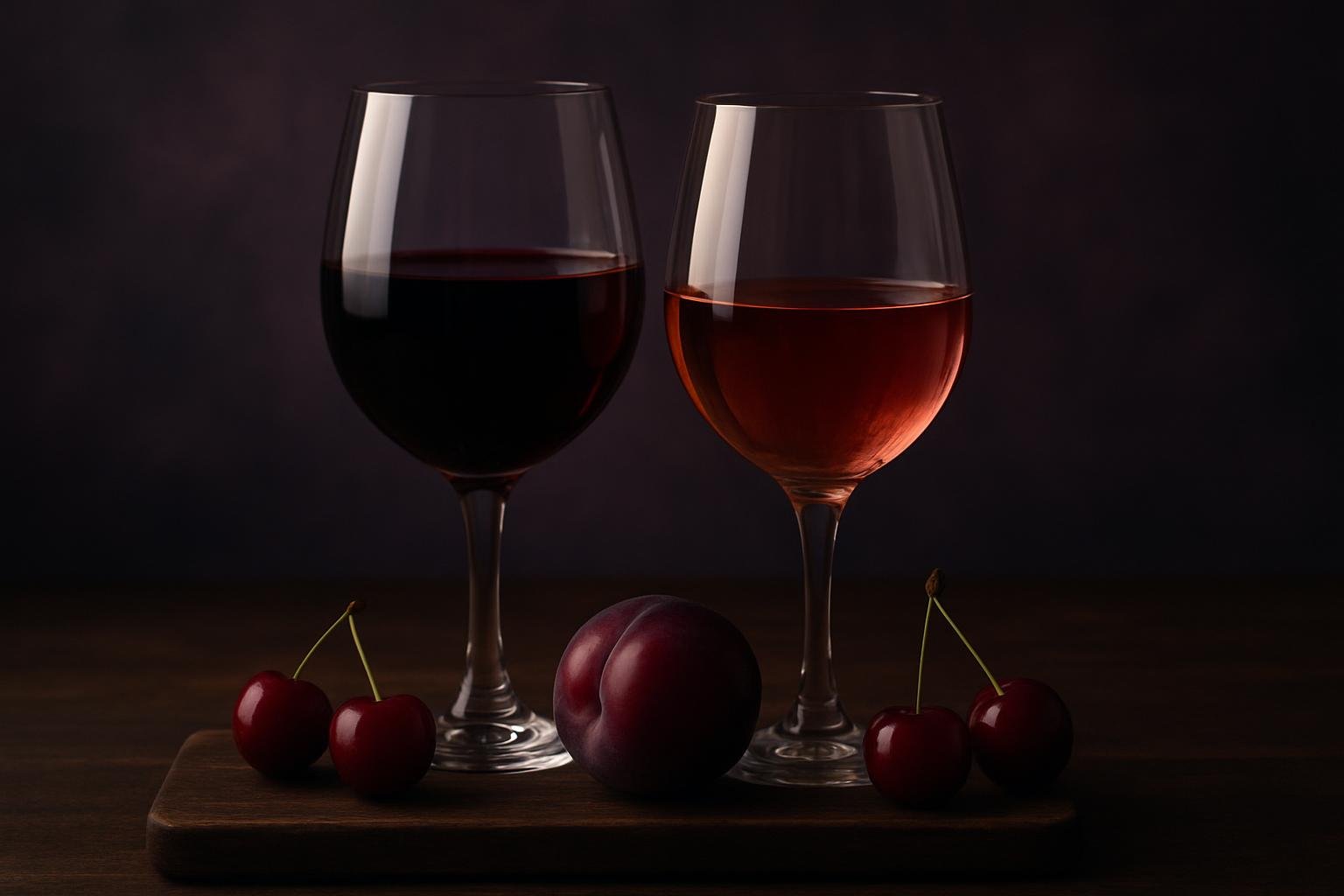
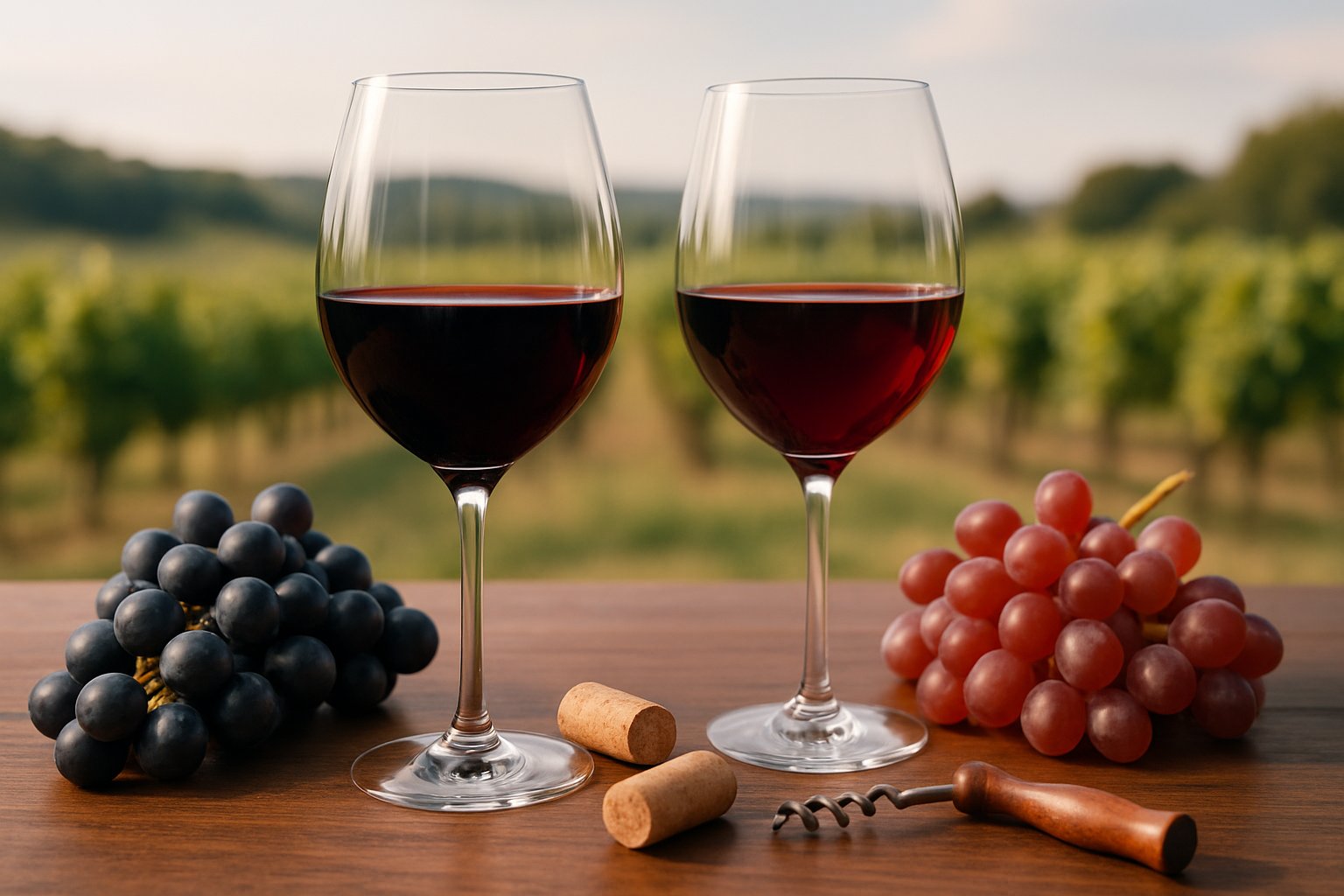
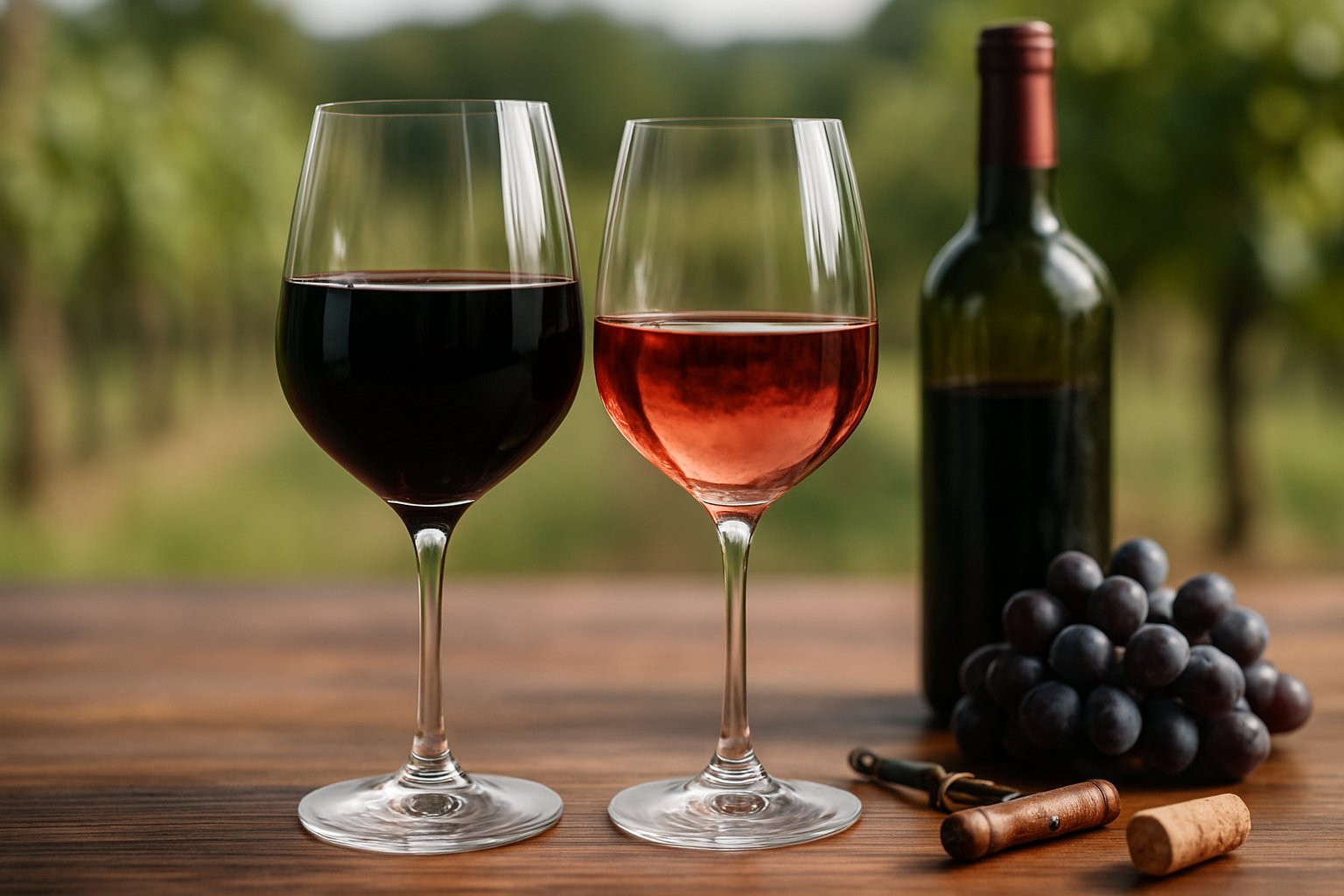
Merlot and Pinot Noir are the two reds people reach for when they do not want a big, grippy wine, and that is where the likeness ends. Merlot is soft because it is plush: plum, chocolate, round and full. Pinot Noir is soft because it is light: red cherry, earth, silky and almost transparent in the glass. One is a warm blanket and the other is a linen shirt. Here is how to tell them apart and which one to buy for what.
Table of Contents
The short version
| Merlot | Pinot Noir | |
|---|---|---|
| Colour | Deep ruby to purple | Pale ruby; you can read through it |
| Tastes of | Plum, black cherry, chocolate, soft spice | Red cherry, raspberry, strawberry, mushroom, forest floor |
| Body | Medium to full | Light to medium |
| Tannin | Soft but present | Very fine, silky |
| Acidity | Lower | Higher; fresher |
| Climate it needs | Warm to moderate | Cool; it sulks in the heat |
| Home ground | Bordeaux Right Bank | Burgundy |
| Best Australian regions | Coonawarra, Langhorne Creek, Margaret River | Yarra Valley, Mornington Peninsula, Tasmania, Adelaide Hills |
| Serve at | 16 to 18°C | 13 to 15°C; a little cool |
| Price of a good bottle | Cheaper; $16 to $35 gets a serious one | Dearer; $25 to $50 is where it starts to shine |
Why they are so different
Both grapes have thin skins compared with Cabernet Sauvignon, which is why both are soft. But Merlot is a big-berried, generous grape from a warm place that ripens easily, piles on sugar and colour, and makes wine that is dark, round and full. Pinot Noir is a small-berried, fussy grape from a cool place that ripens slowly, keeps its acid, and makes wine that is pale, fragrant and light on its feet. Grow Pinot somewhere warm and it turns jammy and dull; grow Merlot somewhere cold and it tastes of leaves. They want opposite weather.
The other difference is what you taste besides fruit. Merlot is mostly fruit and softness, with chocolate and spice from oak. Pinot Noir carries savoury things: mushroom, wet earth, dried herbs, a smell wine people call forest floor. It is the reason Pinot fans become bores about it, and the reason a good Pinot is one of the most interesting glasses of red there is.
Which one for you
If you like reds that are smooth, rich and uncomplicated, and you want to spend under $20, Merlot is your grape. Almost every cheap Merlot is at least pleasant, and a Coonawarra or Langhorne Creek Merlot at $16 to $25 is properly good. If you like wines with acidity and perfume, drink white wine as often as red, or find Shiraz and Cabernet too heavy, Pinot Noir is your grape, but budget more. Cheap Pinot is thin and confected; the grape does not do cheap well. From about $25, and especially from the Yarra, Mornington and Tasmania, it becomes the wine people fall in love with.
What to buy
Prices are Dan Murphy’s shelf prices on 9 September 2026 and will move about; BWS stocks many of the same names.
| Wine | Price band | Why |
|---|---|---|
| Riddoch Coonawarra Merlot | About $16 | Plum, soft tannin, real region, best cheap Merlot on the shelf |
| Taylors Estate Merlot | About $17 | Clare Valley, reliable weeknight bottle |
| Leconfield Coonawarra Merlot | About $25 | Serious Merlot with structure; the one to show a Merlot sceptic |
| Yering Station Little Yering Pinot Noir | About $18 to $22 | Yarra Valley at an entry price; cherry and spice |
| Oakridge Over The Shoulder Pinot Noir | About $20 to $23 | Yarra, from a top producer’s second label |
| Yering Station Yarra Pinot Noir | About $25 to $30 | Where Pinot starts to taste like Pinot: perfume, earth, silk |
| Josef Chromy Pinot Noir | About $38 | Tasmania; bright, fine, worth every dollar |
| Oakridge Willowlake or Josef Chromy Coal River Pinot Noir | About $36 to $50 | Single vineyard; the wines that turn people into Pinot bores |
Our Merlot guide and Pinot Noir guide cover each grape in full, including how the Australian styles compare with Bordeaux and Burgundy.
Heads up: the boxes below link to Just Wines, our partner shop. If you buy through them we earn a small commission at no extra cost to you. Prices were checked when this was written and move about.
The two grapes from the partner shop:

Angove Organic South Australia Merlot 2024
- Certified organic Merlot from Angove, one of Australia's oldest wine families
- Ripe, plummy and soft: exactly what Merlot should be at this price
- About fifteen dollars
- Riverland fruit, so it is generous rather than complex

Wild Folk Natural Preservative Free Yarra Valley Pinot Noir 2025
- Yarra Valley Pinot Noir, wild-fermented, preservative-free, unfined and unfiltered
- Light, fresh and cherry-scented; serve it a little cool
- About twenty-four dollars
- Natural wines vary bottle to bottle and are best drunk young

42 Degrees South Pinot Noir
- Tasmanian Pinot Noir from 42 Degrees South
- Red cherry, mixed berries, delicate tannin and soft acid
- About thirty-two dollars
- Non-vintage label, so check the year on the bottle
Which one for dinner
Merlot is the easy red for meat: roast chicken, pork, beef, meatballs, pizza, a tomato pasta, burgers. Its softness makes it forgiving with almost anything that is not fish. Pinot Noir is the red for food that would swamp a bigger wine and for food that usually gets white: duck above all, salmon and tuna, mushrooms, roast chicken, pork belly, a charcuterie board, anything with earthy or umami flavours. It is also the red to serve slightly chilled on a hot night. Our guide to wine with Chinese food is where Pinot earns its keep.
Frequently asked questions
Which is sweeter, Merlot or Pinot Noir?
Neither; both are dry. Merlot tastes rounder and fruitier and reads as sweeter, Pinot tastes fresher and lighter.
Which is lighter?
Pinot Noir, by a clear margin. It is paler, lower in tannin and higher in acid. Merlot is medium to full-bodied.
Which is better for beginners?
Merlot, because it is soft, cheap and hard to dislike. Pinot Noir is the one you come to a little later, and it costs more to get a good one.
Which is healthier or lower in alcohol?
Pinot Noir is usually a little lower, around 12.5 to 13.5 per cent in cool regions, against 13.5 to 14.5 for Merlot. The difference is small and neither is a health food.
Can you serve Pinot Noir chilled?
Yes, lightly. Twenty minutes in the fridge takes it to about 13 to 15°C, which brings out the fruit and makes it the best red for summer. Merlot is happier at room temperature.
Which ages better?
Top Pinot Noir from Burgundy, Tasmania or the Yarra can age for a decade or more. Most Merlot is best within five years, apart from top Bordeaux. At the everyday level, drink both young.