Heads up: this guide contains an affiliate link. If you buy through it we earn a small commission at no extra cost to you.
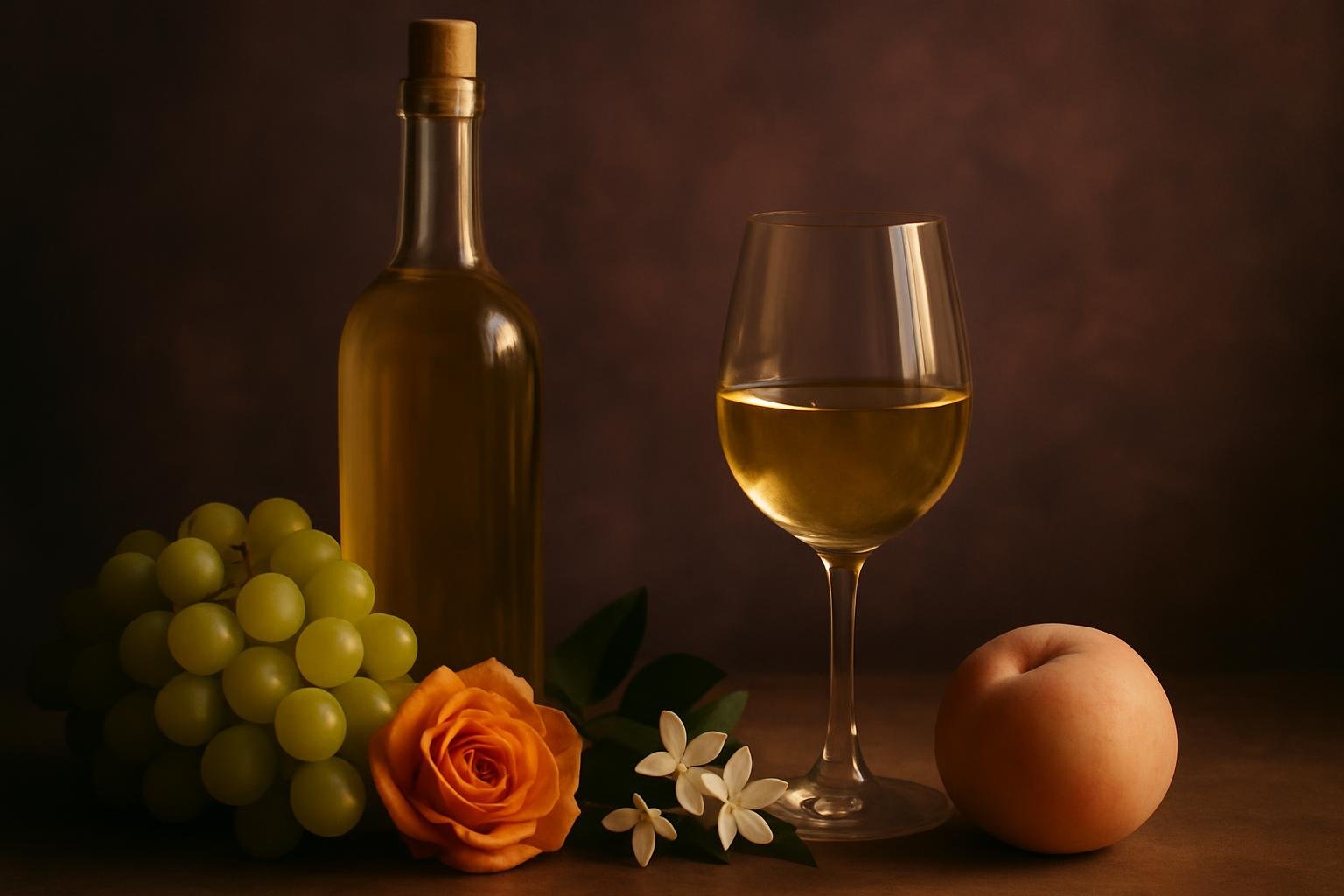
Torrontés is Argentina’s white, and it smells like a garden party. Rose, jasmine, orange blossom and peach pour out of the glass with such enthusiasm that first-timers assume it must be sweet. Then they taste it: dry, crisp and clean, with the perfume of a Gewürztraminer and the freshness of a Sauvignon Blanc. It is one of wine’s great pleasant surprises.
It grows highest in the world, in the Calchaquí Valleys of Salta, where vineyards sit at 1,700 to 3,000 metres and the sun is fierce, the nights are freezing and the grapes keep both their perfume and their acid. Argentina has Malbec for the steak; Torrontés is for the empanadas.
Table of Contents
What Does Torrontés Taste Like?
Rose petal, jasmine, orange blossom, white peach, lychee and lemon zest, with a hint of Muscat grapiness from its parent and a crisp, slightly bitter finish. It is light to medium in body, dry, moderately acidic and gently aromatic rather than heavy. Best young, cold and with something spicy.
| Aspect | Rating out of 5 | Characteristic |
|---|---|---|
| Sweetness | 🍷 | Dry, though the perfume will argue |
| Body | 🍷🍷 | Light to medium, a mountain-air white |
| Tannins | – | None; all flowers |
| Acidity | 🍷🍷🍷 | Moderate, kept fresh by cold Andean nights |
| Alcohol by Volume | 🍷🍷🍷 | Moderate, usually 12.5–13.5% |
Each wine glass icon is one point on a 5-point scale: one glass is low, five is high, based on the grape’s typical style.
Where It Grows
Argentina, almost exclusively. Salta’s Cafayate region makes the most aromatic and highest-altitude versions; Mendoza and La Rioja (the Argentine one) grow it in volume. There are actually three Torrontés varieties; Torrontés Riojano is the best and the one on most labels. A little grows in Chile and Uruguay.
Australia has almost no Torrontés, a few experimental rows at most. Our nearest equivalents are aromatic whites like Gewürztraminer and dry Muscat, or a textural Pinot Gris. Argentine imports are the way to try it, and they are usually cheap for the pleasure they deliver.
How to Serve It
Temperature: 7–9°C. Cold, to keep the perfume tidy.
Glass: a medium white bowl with a narrower rim to focus the aromatics; see the glasses roundup.
Decanting: no.
Ageing: drink within two years. The perfume fades with age.
What to Eat With It
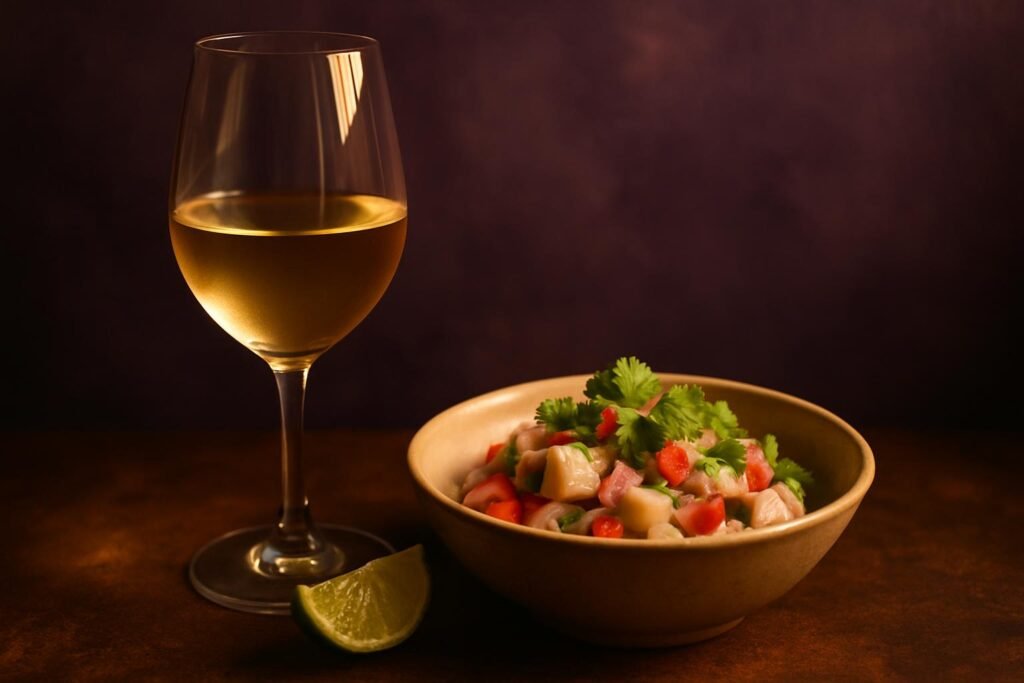
Empanadas, ceviche, tikka masala and mild curries, Thai and Vietnamese dishes, Chinese food, sushi and fresh goat’s cheese. It handles spice the way Gewürztraminer does, with less weight. More in the pairing guides.
Celebrated Wine Labels
| Wine Label | Country | Style |
|---|---|---|
| Colomé | Argentina | Salta, some of the highest vineyards on Earth |
| El Esteco | Argentina | Cafayate specialists, aromatic and pure |
| Susana Balbo | Argentina | The winemaker who put Torrontés on the map |
| Catena Zapata | Argentina | Mendoza giant, reliable Torrontés |
| Zuccardi | Argentina | Modern, mineral high-altitude style |
Can’t Find One? Drink This Instead
Honesty corner: our partner shop had no Torrontés in stock when we checked. The closest match on the shelf is an aromatic Pinot Gris: the same floral lift and stone fruit, the same knack with spicy food, a touch more texture.

Tamburlaine Central Ranges Preservative Free Pinot Gris 2025
Not Torrontés, but an aromatic Pinot Gris is the nearest thing on the shelf. When a Cafayate Torrontés lands in stock, it takes this spot.
- Aromatic, dry and stone-fruited, the same job Torrontés does with spice
- Preservative free from an Australian organic pioneer
- Curries, Asian food and empanadas all work
- Under twenty dollars
- Less rose-and-jasmine perfume than the Argentine original
New to Just Wines? The code FIRST20 takes $20 off a first order over $99, so it is worth building a mixed six rather than buying the one bottle. New customers only, and the offer can change without notice.
Frequently Asked Questions
Is Torrontés sweet?
No. It smells sweet because of its floral, Muscat-like perfume, but nearly all Torrontés is fermented dry. A few late-harvest versions exist.
What is Torrontés similar to?
Gewürztraminer for perfume, Muscat for grapiness, and Viognier for its floral, peachy side, with a lighter body than all three. Read our Gewürztraminer guide for the closest comparison.
How do you pronounce Torrontés?
Tor-ron-TESS. The accent is on the last syllable.
Where does Torrontés come from?
Argentina. DNA testing showed it is a natural cross of Muscat of Alexandria and Criolla Chica, the Mission grape brought by Spanish missionaries, so it was born in South America rather than imported.
What food goes with Torrontés?
Anything spicy or aromatic: curries, Thai food, empanadas, ceviche and sushi. Its perfume and freshness cool the chilli.
This post contains affiliate links. If you buy through them we earn a small commission at no extra cost to you. It keeps the wine flowing and the reviews honest.