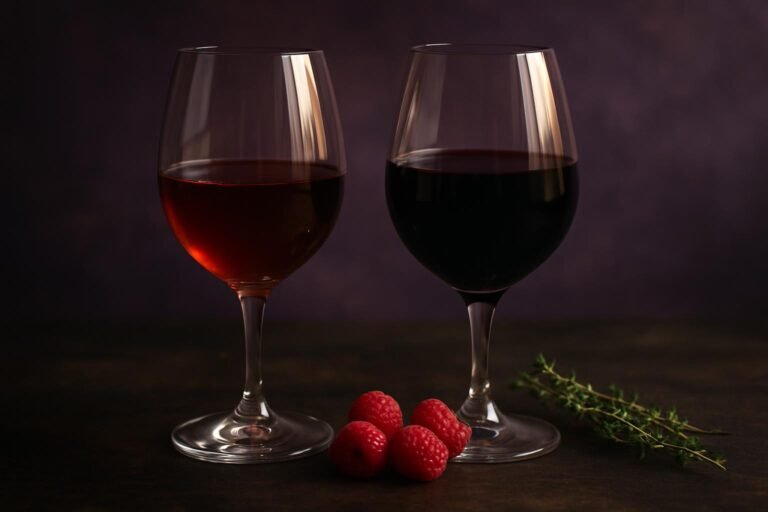
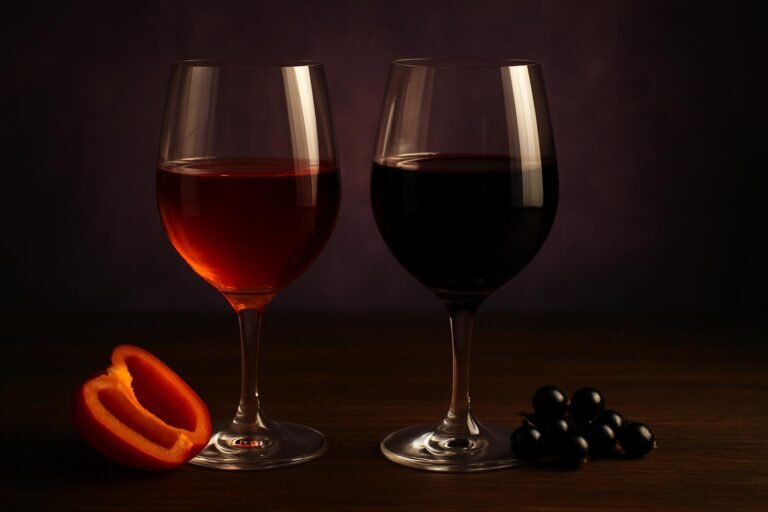
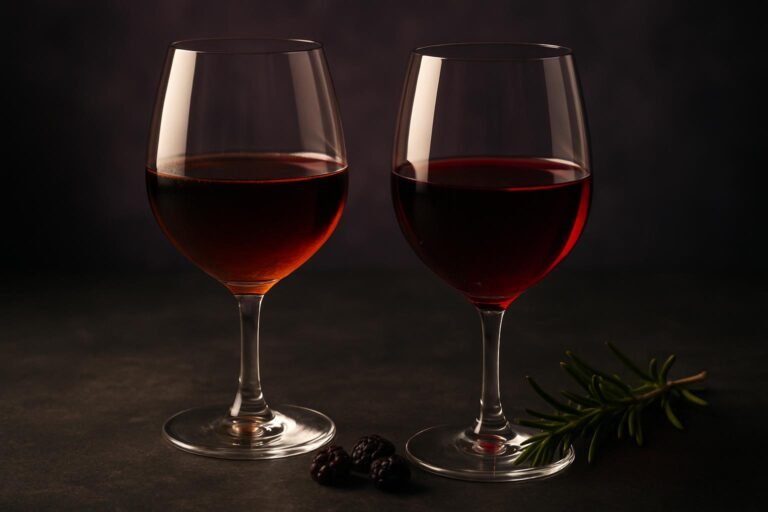
Cabernet Sauvignon and Merlot are the two most planted red grapes in Bordeaux, they are usually blended together, and they are half-siblings with the same father, Cabernet Franc. They still taste nothing alike. Cabernet is firm, dark and built to age; Merlot is soft, plummy and ready when you are. If you have ever stood in a bottle shop wondering which one to grab for dinner, this is the whole difference in one page.
Table of Contents
The short version
| Cabernet Sauvignon | Merlot | |
|---|---|---|
| Tastes of | Blackcurrant, mint, cedar, capsicum when underripe | Plum, black cherry, chocolate, a touch of herbs |
| Feel in the mouth | Firm, grippy tannin; full body; dries the gums | Soft, round, velvety; medium to full body |
| Acidity | Higher | Lower |
| Ready to drink | Often needs three to five years; the good ones go twenty | Usually good on release |
| Best Australian regions | Coonawarra, Margaret River | Coonawarra, Langhorne Creek, Margaret River (usually in a blend) |
| Best French regions | Bordeaux Left Bank (Médoc, Pauillac, Margaux) | Bordeaux Right Bank (Pomerol, Saint-Émilion) |
| Buy it for | Steak, lamb, a wine to keep | Roast chicken, pasta, pizza, a Tuesday |
Why they taste different
Start with the grape itself. A Cabernet Sauvignon berry is small, with a thick skin, and the skin is where tannin and colour live. More skin for the amount of juice means more tannin, more colour and a wine that needs time to soften. A Merlot berry is bigger with a thinner skin, so the wine comes out softer, lighter in tannin and rounder straight away.
Then there is ripening. Merlot ripens up to two weeks before Cabernet. In a cool year or a cool region that matters a lot: the Merlot gets ripe and the Cabernet does not, which is why Bordeaux grows both and blends them. Merlot’s early ripening also means it carries a little more sugar, so it often ends up half a per cent higher in alcohol and a touch lower in acid, which adds to the soft, plush feel.
The flavours follow. Cabernet’s signature is blackcurrant, with cedar and a herbal or minty note, and a green capsicum smell if it was picked too early. Merlot’s signature is plum and black cherry, with chocolate and soft spice, and a leafy, tea-like note when it is underripe. Put a glass of each side by side and the Cabernet is darker, smells sharper and grips your gums; the Merlot is friendlier and finishes sooner.
Where each one is at its best
In Bordeaux the river decides. On the Left Bank (Médoc, Pauillac, Margaux) the gravel soils drain well and warm up, and Cabernet leads the blend. On the Right Bank (Pomerol and Saint-Émilion) the clay stays cool and Merlot leads; Château Pétrus, the most expensive wine in Bordeaux, is almost all Merlot. Across the whole region Merlot is the most planted grape, at 50 to 60 per cent of the vineyard, because it ripens reliably.
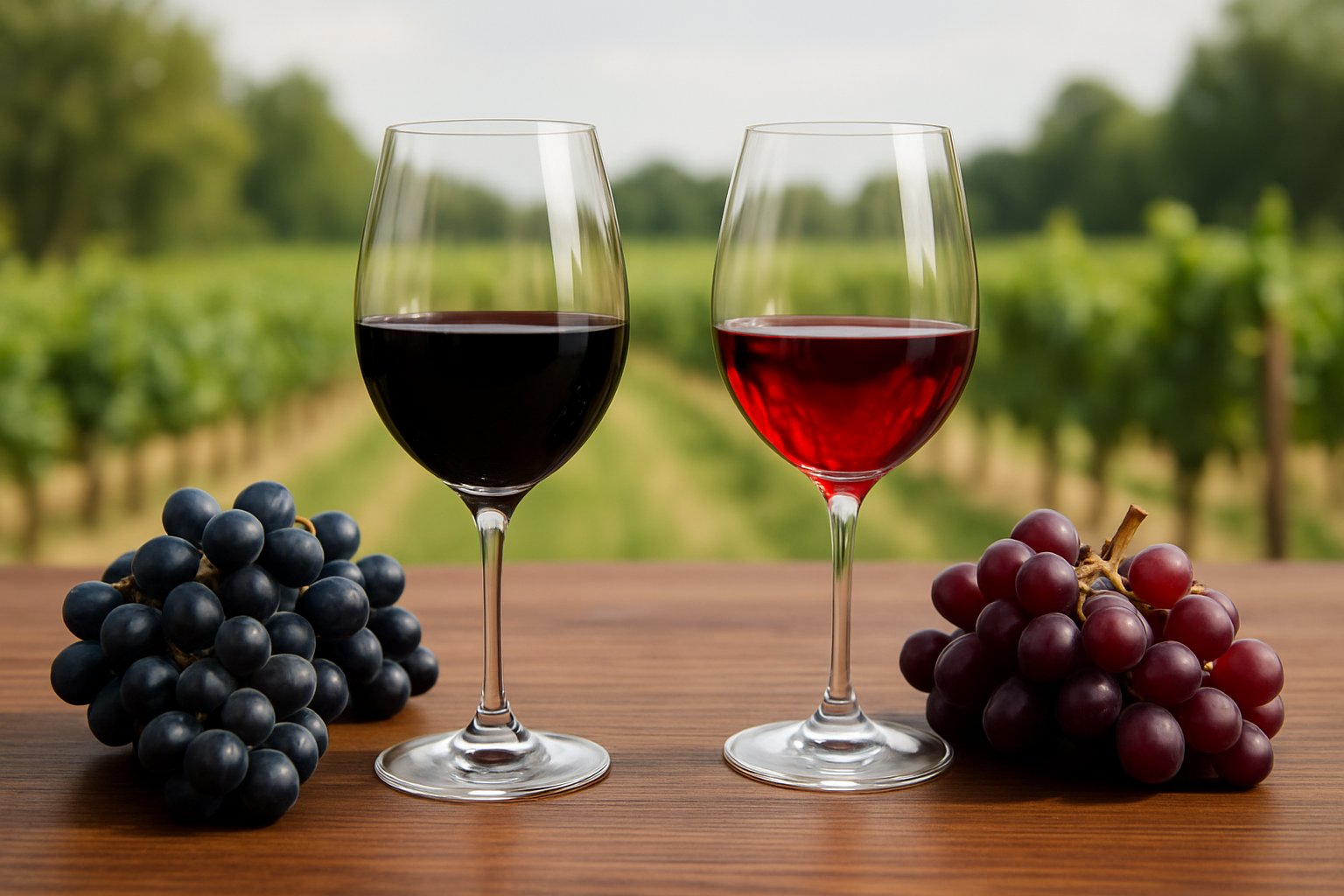
In Australia, Cabernet has the better reputation. Coonawarra’s red soil and Margaret River’s sea breezes make the country’s best, with blackcurrant, mint and structure. Our Coonawarra guide explains why. Merlot is the third most planted red grape here but has spent decades as the soft filler in Cabernet Merlot blends, and most cheap Australian Merlot is exactly what the film Sideways complained about: sweet, simple and forgettable. The good ones exist. Coonawarra Merlot from Katnook, Parker, Leconfield and Riddoch, and Langhorne Creek Merlot, have real plum fruit and enough structure to be interesting.
What to buy
Prices are Dan Murphy’s shelf prices on 9 September 2026 and will move about; BWS stocks many of the same names. Both grapes have a cheap tier that tastes cheap; spend a little more and the difference between the two grapes actually shows.
| Wine | Price band | Why |
|---|---|---|
| Wynns The Siding Cabernet Sauvignon | About $14 to $21 | The cheapest honest Cabernet in the country: blackcurrant, mint, a bit of grip |
| Riddoch Coonawarra Merlot | About $16 | Plum and soft tannin from the same red soil, at the same money |
| Taylors Estate Merlot | About $17 | Clare Valley, reliable, a good Tuesday bottle |
| Leconfield Coonawarra Merlot | About $25 | The step up: real fruit, real structure, not sweet |
| Wynns Black Label Cabernet Sauvignon | About $27 to $49 | The Cabernet benchmark; keeps for a decade |
| Katnook Estate or Parker Terra Rossa Merlot | About $30 to $38 | As serious as Australian Merlot gets outside a mailing list |
If you want to taste the difference properly, buy the Siding and the Riddoch Merlot, same region, same price, and open them together. Our Cabernet Sauvignon guide and Merlot guide go deeper on each grape.
Heads up: the boxes below link to Just Wines, our partner shop. If you buy through them we earn a small commission at no extra cost to you. Prices were checked when this was written and move about.
Taste the two side by side with bottles from the partner shop:

St Hugo Coonawarra Cabernet Sauvignon 2022
- Coonawarra Cabernet from the terra rossa, made by the Penfolds group under the St Hugo label
- Blackcurrant, cedar and firm tannin; a five-year bottle
- About forty dollars at the time of writing, well under its full price
- Young; give it an hour in a decanter or a few years in the rack

Virtue Coonawarra Merlot 2021
- Coonawarra Merlot from a small South Australian producer at about ten dollars
- Soft, plummy, a weeknight red
- Shows what the red soil does with a gentler grape
- A 2021; drink it now rather than keeping it

Driftwood Estate Margaret River Cabernet Merlot 2023
- Cabernet Merlot from a Margaret River family estate in Wilyabrup
- Both grapes in one bottle, the Bordeaux formula
- About twelve dollars at the time of writing
- Entry-level; the estate wines are the serious ones
Which one for dinner
Cabernet wants fat and protein to soften its tannin: steak, roast lamb, a beef pie, hard cheese. Our Cabernet snack pairings cover the small plates. Merlot is the easier match because it has less tannin to fight with: roast chicken, pork, meatballs, a tomato pasta, pizza, mushrooms, a burger. If the table is mixed or the food is mild, Merlot. If there is a steak in the middle, Cabernet.
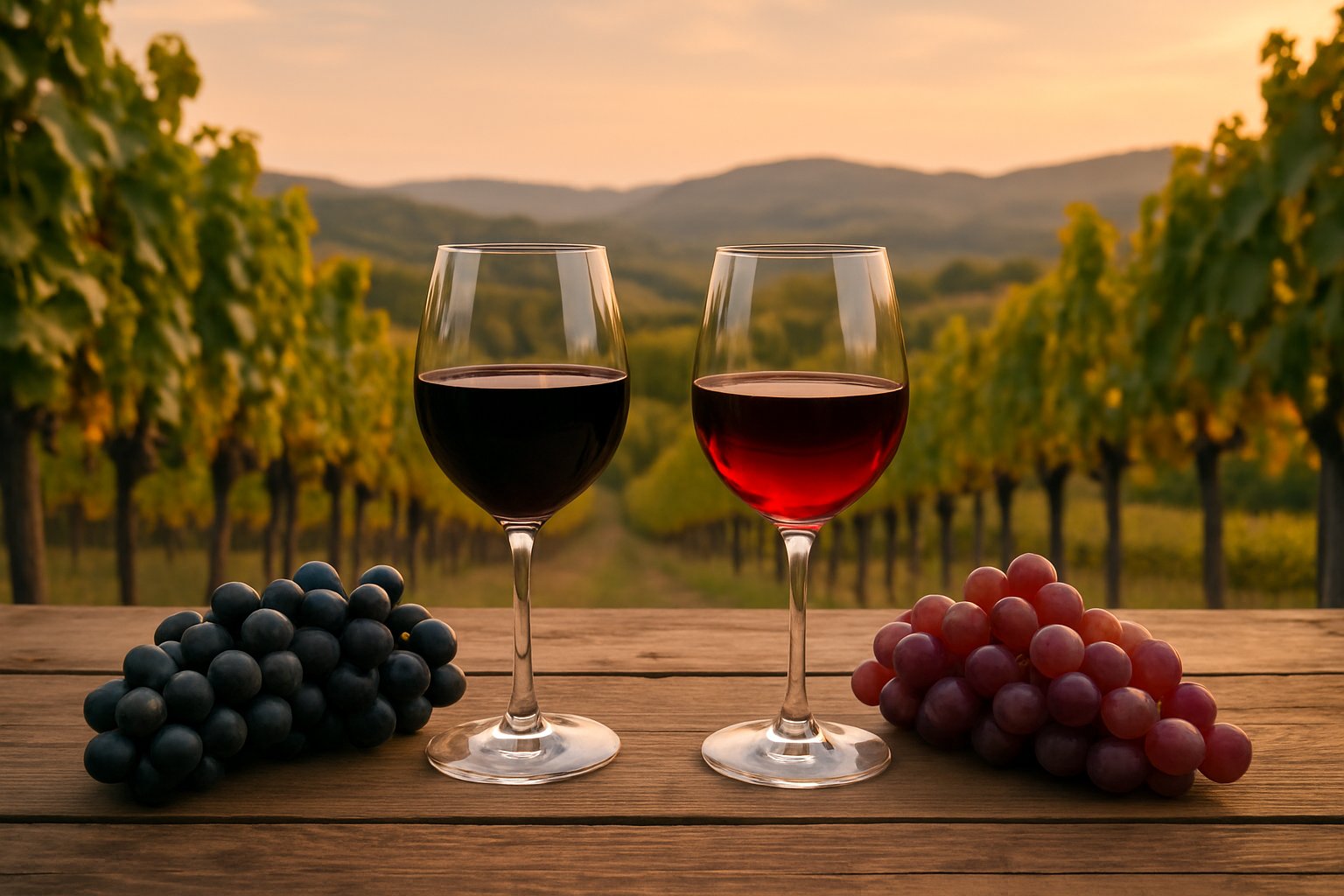
The blend
Most Bordeaux is both grapes in one bottle, and so is a lot of Australian red labelled Cabernet Merlot. The idea is simple: Cabernet gives the backbone and the ageing, Merlot fills in the middle and makes it drinkable sooner. A cheap Cabernet Merlot from a big Australian brand is usually the softest, safest red on the shelf, which is why they sell so well. A good one from Margaret River (Cape Mentelle, Cullen and Vasse Felix all make them) is one of the best-value serious reds in the country.
Frequently asked questions
Which is sweeter, Cabernet Sauvignon or Merlot?
Neither is sweet; both are dry wines. Merlot tastes softer and fruitier because it has less tannin and acid, which people often read as sweetness.
Which is stronger?
About the same, usually 13.5 to 14.5 per cent in Australia. Merlot ripens earlier and can carry a touch more alcohol, but the difference is small.
Is Merlot a good beginner’s wine?
Yes. Its soft tannin and plummy fruit make it the easiest classic red to like. Cabernet is the one people grow into.
Are Cabernet Sauvignon and Merlot related?
Yes. Both have Cabernet Franc as a parent, which makes them half-siblings. Cabernet Sauvignon’s other parent is Sauvignon Blanc; Merlot’s is an obscure grape called Magdeleine Noire des Charentes.
Which one ages better?
Cabernet Sauvignon, because of its tannin and acid. A good Coonawarra or Bordeaux Cabernet improves for ten to twenty years. Most Merlot is best within five, though top Right Bank Bordeaux is the exception.
What is a Cabernet Merlot?
A blend of the two, usually with Cabernet in the majority, that gives you Cabernet’s structure with Merlot’s softness. It is the Bordeaux formula and the most common red blend in Australia.