The Hunter Valley is Australia’s oldest wine region, about two hours’ drive north of Sydney, and on paper it should not work. It is hot, it is humid, and it rains at harvest. Yet it makes two wines nobody else in the world can copy: a dry Semillon that starts life at 10 or 11 per cent alcohol and turns into toast and honey after ten years in the bottle, and a medium-bodied, earthy Shiraz that ages for decades. Being close to Sydney has made it the most visited wine region in the country, with more than 150 wineries and a cellar-door culture to match.
Table of Contents
A climate that should not grow grapes
The Hunter is humid subtropical, which is a fancy way of saying it feels like Brisbane. The average January temperature is around 23°C, hotter than the Barossa, and the growing season gets more than 500 millimetres of rain, much of it in the harvest months of January and February. Everywhere else in Australia, growers pray for a dry autumn. In the Hunter they pick early, before the storms arrive, and that habit is the secret to the whole region.
Two things save it. Afternoon cloud cover rolls in from the coast most summer days and takes the sting out of the sun, and sea breezes from the Pacific cool the evenings. The result is a place where grapes ripen fast but never get properly baked, so the wines are lighter and lower in alcohol than the climate figures suggest. Shiraz likes the red loam of the Pokolbin hills; Semillon likes the sandy flats along the creeks.
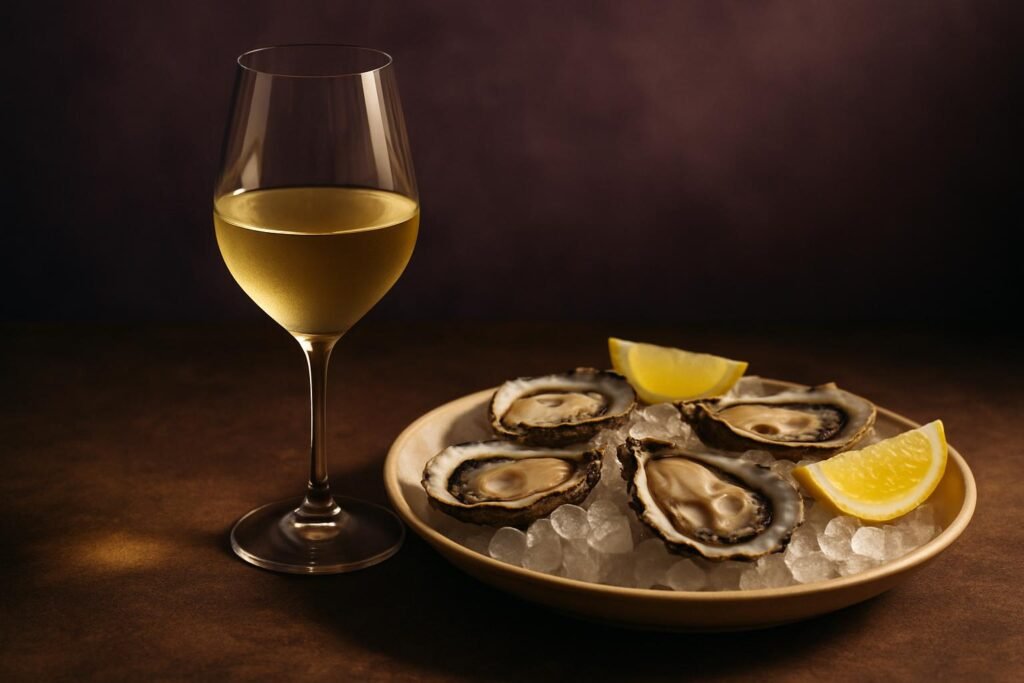
Semillon: the wine that ages backwards
Young Hunter Semillon is a strange thing. It is picked early, so it is light, around 10 to 11.5 per cent alcohol, bone dry, with lemon, a grassy edge and acidity so high (about 7 grams a litre, half again what Bordeaux manages with the same grape) that the first sip can feel like a lemon squeezed on a cut. There is no oak. It is a fine wine with oysters and not much else.
Then it goes into the bottle and something nobody has fully explained begins. At five years the lemon turns to lemon curd. At ten it smells of buttered toast, honey and lanolin, tastes rich and rounded, and you would swear it had been oaked. It has not. The alcohol has not changed and neither has the acid; the flavours have simply grown into themselves. A twenty-year-old Tyrrell’s Vat 1 or Mount Pleasant Lovedale is one of the great white wines of the world, and it started out as something most people would have sent back.
The practical advice is this: buy a cheaper Semillon to drink now with seafood, and buy a good one to hide for at least six years. Producers release some vintages with age already on them, and those are the best value in Australian white wine.
Shiraz: medium, earthy, built to last
Hunter Shiraz is the opposite of the Barossa style. It is medium-bodied, red-fruited rather than black, with earth, leather and spice, softer tannins and a savoury finish. The old writers called it “sweaty saddle”, a descriptor that came from a yeast fault in the cellars of the day and has thankfully gone; the modern wines are clean but keep the earthy, savoury character. Young, they can be a little plain. Give them fifteen years and they turn silky and complex in a way few Australian reds do, and the top wines from Tyrrell’s, Mount Pleasant and Brokenwood go for thirty.
| Grape | Role in the Hunter | Style |
|---|---|---|
| Semillon | The signature white | Light, dry, lemony, 10 to 11.5 per cent alcohol, ages for twenty years |
| Shiraz | The signature red | Medium-bodied, earthy, savoury, ages for decades |
| Chardonnay | The pioneer | Australia’s first commercial Chardonnay was a Tyrrell’s, in 1971; the style is rich and peachy |
| Verdelho | The summer white | Tropical, easy, drink young at the cellar door |
| Newer arrivals | Small | Fiano, Tempranillo and Barbera suit the heat and are growing |
A short history
James Busby, usually called the father of Australian wine, bought land at Kirkton in 1825 and in 1831 toured Europe collecting cuttings from more than 500 vineyards. Many of the vines in Australia today descend from that trip. George Wyndham planted from Busby’s cuttings in the 1830s; Lindeman’s, Drayton and Tulloch followed in the 1800s, Tyrrell’s in the 1850s, and by 1876 there were 1,800 acres of vines. Through the fortified-wine decades of the twentieth century, Maurice O’Shea at Mount Pleasant kept making dry table wine when almost nobody else did, and his wines are still spoken of with awe. Murray Tyrrell’s 1971 Chardonnay, the first sold commercially in Australia, kicked off the Chardonnay boom. The Hunter today grows about three per cent of Australia’s wine and gets a far bigger share of its visitors.
What to buy
The Semillon prices below are Dan Murphy’s shelf prices on 9 September 2026 and will move about; BWS stocks many of the same names. For Shiraz, look for the same producers; the bottles run from about $25 for an entry wine to well over $100 for the flagships.
| Wine | Price band | Why |
|---|---|---|
| Margan Hunter Valley Semillon | About $20 | Family-owned, Broke Fordwich, the one to drink now with prawns |
| Audrey Wilkinson Semillon | About $21 to $24 | Classic Pokolbin style from one of the oldest vineyards |
| Brokenwood Semillon | About $23 to $26 | The safe bet; ages well and is easy to find |
| De Iuliis Hunter Valley Semillon | About $24 | A quiet family producer that wins more medals than it advertises |
| Mount Pleasant Semillon | About $30 | O’Shea’s house; the entry point to a great line of aged wines |
| Tyrrell’s HVD or Stevens Single Vineyard Semillon | About $43 to $45 | Single old vineyards, made to keep ten years |
| Mount Pleasant Lovedale Semillon | About $100 | Released with age on it; one of the country’s great whites |
| Tyrrell’s Vat 1 Semillon | About $110 | The benchmark. Twenty years is not too long |
For Shiraz, start with Tyrrell’s, Mount Pleasant, Brokenwood, Tulloch, De Iuliis and Margan, and if you see a Brokenwood Graveyard or a Tyrrell’s Vat 9 at a price you can bear, buy it and forget it for a decade. Our Shiraz guide explains how the Hunter style compares with the Barossa and McLaren Vale, and our guide to the world’s wine regions shows where the Hunter sits among the world’s warm-climate regions.
Our partner shop had no Hunter wines in stock when we checked, so this is one for BWS or Dan Murphy’s: both carry Brokenwood, Tyrrell’s and Margan Semillon, and Mount Pleasant and Tyrrell’s Shiraz.
What to eat with it
Young Semillon and oysters is the classic, and it works with any raw or simply cooked seafood, sashimi, a Vietnamese salad or a goat’s cheese. Aged Semillon is richer and wants roast chicken, pork, a creamy pasta or a hard cheese. Hunter Shiraz, being medium-bodied and savoury, is happiest with lamb, duck, mushrooms, roast beef and anything with rosemary and garlic; it is a better food wine than the big Barossa styles because it does not swamp the plate. Serve the Semillon cold, about 8°C, and the Shiraz at 16 to 18°C.
Visiting
Pokolbin, the heart of the region, is about two hours from Sydney, which makes the Hunter the easiest weekend wine trip in the country. The cellar doors that matter are close together: Tyrrell’s (the old slab hut, and a museum of its own history), Mount Pleasant, Brokenwood, Tulloch, Audrey Wilkinson (the best view in the valley), Drayton’s and De Iuliis, with Margan out in Broke Fordwich. The Hunter also has the most restaurants, concerts and hot-air balloons of any Australian wine region, which is either a plus or a minus depending on what you came for. Book cellar doors on weekends; many now charge for tastings and refund it on purchase.
Vintage is early, from late January to March, and hot; it is the most interesting time to visit but not the most comfortable. Autumn and spring are the sweet spot, and winter, when the vines are bare and the fires are lit, is quiet and cheap.
Tours, tastings and stays in the Hunter Valley
Three ways to do the valley without anyone drawing the short straw on driving.
Snapshot Half Day Hunter Valley Wine Tour
Three hours, a handful of cellar doors, and you are back in time for lunch. The easy one if you are staying in the valley.
See dates and prices →Hunter Valley Wine Tasting Tour from Sydney
Picked up in Sydney, tastings in the valley, dropped back at night. The day trip if you are not staying over.
See dates and prices →Midweek Hot Air Balloon Flight at Hunter Valley
Sunrise over the vines from a basket, then breakfast. The splurge, and the one people talk about for years.
See dates and prices →Stay in the valley: Pokolbin puts you a short drive from most cellar doors, and a taxi from the rest.
Compare stays on Expedia →Partner links: if you book through them we earn a small commission at no extra cost to you. Prices and availability checked 29 September 2026; the booking page always has the current price.
Frequently asked questions
What is the Hunter Valley famous for?
Semillon and Shiraz, both made in a lighter, more savoury style than anywhere else in Australia, and both known for ageing for decades. It is also Australia’s oldest wine region and its most visited.
How far is the Hunter Valley from Sydney?
About two hours’ drive north. Pokolbin, where most of the cellar doors are, is the usual destination; Cessnock is the nearest town.
Why is Hunter Semillon so low in alcohol?
The grapes are picked early, before the harvest rains and while the acid is still high. Early picking means less sugar, so the wine ends up at 10 to 11.5 per cent alcohol.
How long should I keep a Hunter Semillon?
Cheaper ones are made to drink young. Good ones are best from six years on and can go twenty, turning golden, toasty and honeyed.
Is Hunter Shiraz like Barossa Shiraz?
No. Hunter Shiraz is medium-bodied, red-fruited and earthy, with softer tannins and lower alcohol. Barossa Shiraz is bigger, riper and darker.
When is the best time to visit?
Autumn (March to May) and spring (September to November). Vintage in February is lively but hot and busy. Winter is quiet and good value.