Heads up: this guide contains an affiliate link. If you buy through it we earn a small commission at no extra cost to you.
Grüner Veltliner is Austria’s national white grape and the wine that sommeliers reach for when a table orders six different dishes and one bottle. It is dry, peppery, fresh and remarkably good with vegetables, which is a rare talent among wines. Austrians drink it by the jug in Vienna’s wine taverns and by the crystal glass at Michelin-starred restaurants, and it is at home in both.
The name means “green Veltliner”, the pronunciation is GROO-ner FELT-lee-ner, and the signature is a twist of white pepper on the finish. It has quietly become one of Australia’s most interesting new whites, with the Adelaide Hills leading the way.
Table of Contents
What Does Grüner Veltliner Taste Like?
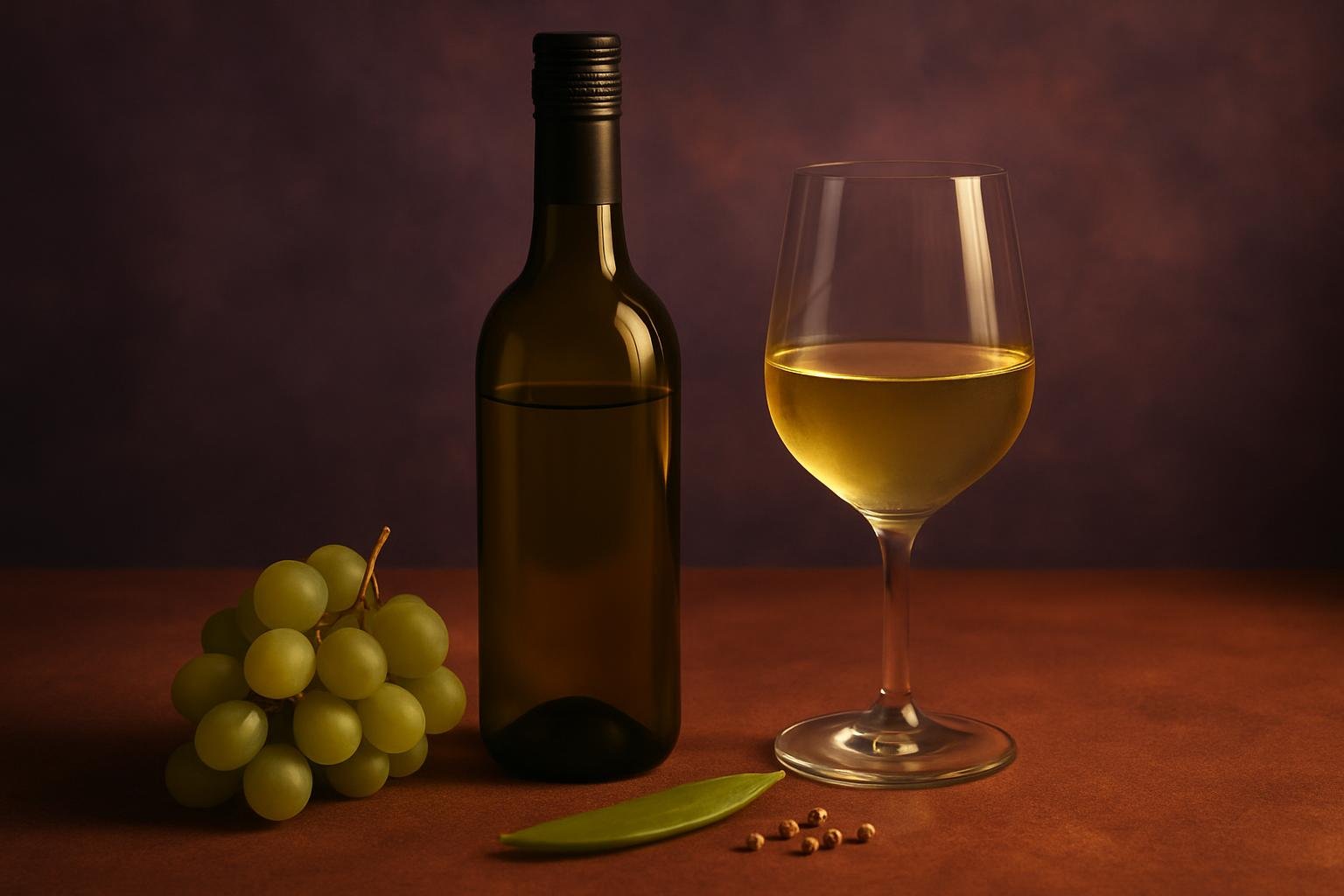
Green apple, lime, white peach and grapefruit, with a dash of white pepper, snow pea and celery leaf, and a stony minerality underneath. Light, crisp everyday versions are all zip; riper “Smaragd” wines from the Wachau are full, creamy and age like Riesling. It is always dry.
| Aspect | Rating out of 5 | Characteristic |
|---|---|---|
| Sweetness | 🍷 | Dry, with a peppery twist |
| Body | 🍷🍷 | Light to medium, richer in top Austrian bottles |
| Tannins | – | None; clean and fresh |
| Acidity | 🍷🍷🍷🍷 | Bright and refreshing |
| Alcohol by Volume | 🍷🍷🍷 | Moderate, usually 12–13.5% |
Each wine glass icon is one point on a 5-point scale: one glass is low, five is high, based on the grape’s typical style.
Where It Grows
Austria grows most of the world’s Grüner, and the best comes from the terraced vineyards along the Danube in the Wachau, Kremstal and Kamptal. The Weinviertel north of Vienna makes the peppery everyday style. Slovakia, the Czech Republic and Hungary grow it too, and New Zealand has a small, promising crop.
In Australia, the Adelaide Hills adopted Grüner in the late 2000s and now has the country’s largest and best plantings; Hahndorf Hill was the pioneer. Canberra, the Yarra Valley, Orange and Tasmania have joined in, all cool sites where the grape keeps its pepper and acid. It suits our food and our climate, and it is only going to grow.
How to Serve It
Temperature: 8–10°C.
Glass: a Riesling-style white glass; see the glasses roundup.
Decanting: not needed, though rich Smaragd wines open up with a little air.
Ageing: light styles within two years. Top Wachau Grüner ages for a decade or two, gaining honey and nutty depth.
What to Eat With It
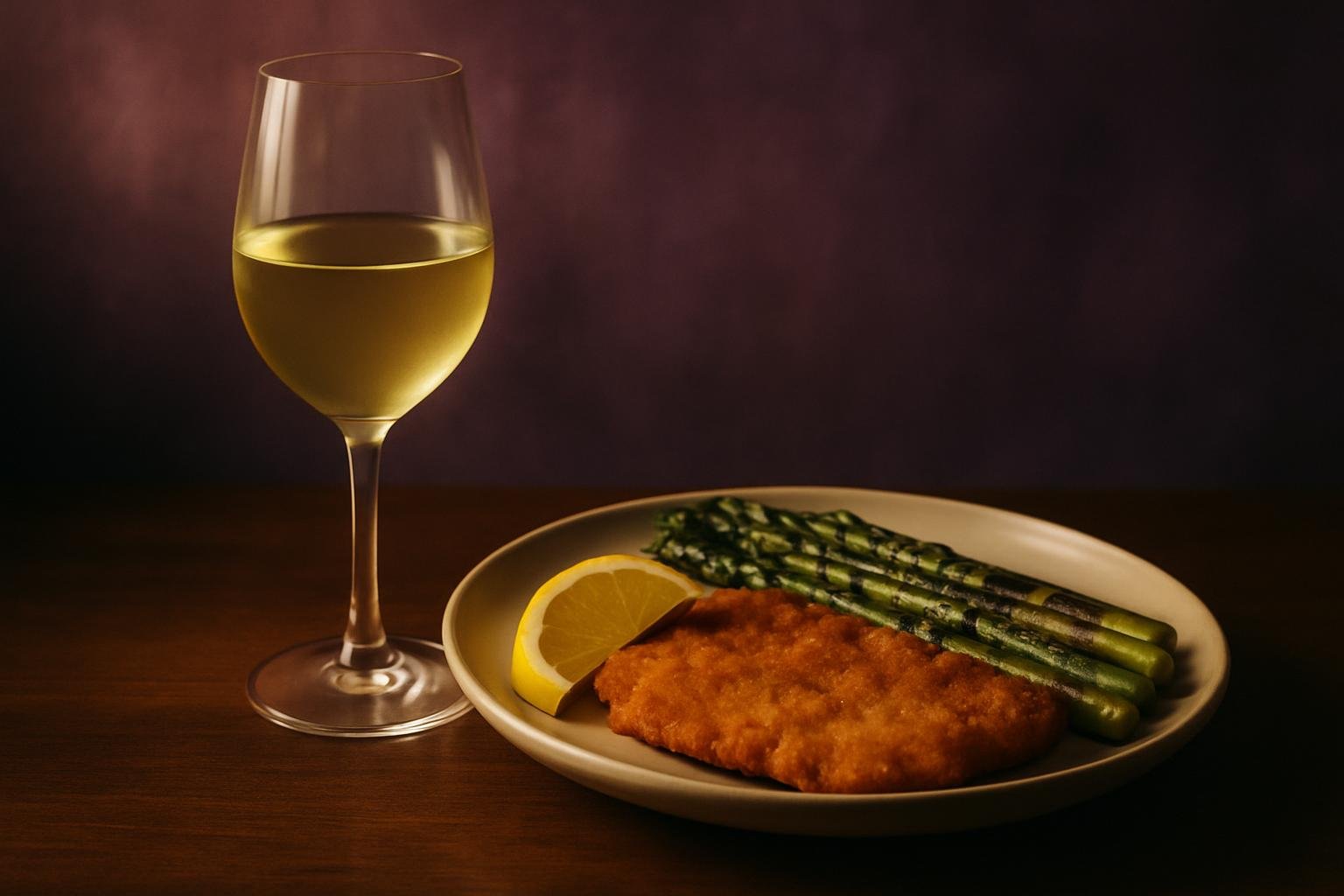
Vegetables, which is its party trick: asparagus, artichokes, green salads and lentil dishes. Also Wiener schnitzel, cod, sushi, Thai and Vietnamese food, and Chinese food. More in the pairing guides.
Celebrated Wine Labels
| Wine Label | Country | Style |
|---|---|---|
| F.X. Pichler | Austria | Wachau, the benchmark for serious Grüner |
| Emmerich Knoll | Austria | Wachau, classic and long-lived |
| Bründlmayer | Austria | Kamptal, elegant and reliable |
| Hahndorf Hill | Australia | Adelaide Hills, the Australian pioneer |
| Schloss Gobelsburg | Austria | Kamptal, historic monastery estate |
Can’t Find One? Drink This Instead
Honesty corner: our partner shop had no Grüner Veltliner in stock when we checked. The closest match on the shelf is a dry, herbal Sauvignon Blanc: the same green-edged freshness, the same love of salads and greens.

No Evil Central Ranges Organic Sauvignon Blanc 2024
Not Grüner, but a green, zesty organic Sauvignon Blanc covers the same table. When an Adelaide Hills Grüner lands in stock, it takes this spot.
- Dry, herbal and crisp, the same job Grüner does with vegetables
- Certified organic from cool-climate NSW
- Salads, asparagus and Asian food all work
- Under fifteen dollars
- Grassier and more tropical than Grüner, without the white pepper
New to Just Wines? The code FIRST20 takes $20 off a first order over $99, so it is worth building a mixed six rather than buying the one bottle. New customers only, and the offer can change without notice.
Frequently Asked Questions
How do you pronounce Grüner Veltliner?
GROO-ner FELT-lee-ner. Austrians and lazy sommeliers alike just say “Grüner” or even “GrüVe”.
Is Grüner Veltliner sweet or dry?
Dry, almost always. Its ripe fruit can make it seem generous, but there is little sugar. A few rare dessert versions exist in Austria.
What is Grüner Veltliner similar to?
Dry Riesling for freshness and ageing, Sauvignon Blanc for the green edge, and Albariño for its food-friendly zip. Read our Riesling guide for the nearest cousin.
Why is Grüner Veltliner good with vegetables?
Its green, peppery flavours echo the vegetables rather than fighting them, and its acid is bright without being aggressive. Asparagus and artichokes, which ruin most wines, are famously happy with it.
Where does Grüner Veltliner grow in Australia?
The Adelaide Hills has the most and the best, with Hahndorf Hill as the pioneer. Canberra, Orange, the Yarra Valley and Tasmania also make good versions.
This post contains affiliate links. If you buy through them we earn a small commission at no extra cost to you. It keeps the wine flowing and the reviews honest.