Heads up: this guide contains an affiliate link. If you buy through it we earn a small commission at no extra cost to you.
Cinsault is the grape you have probably drunk a dozen times without knowing it. It is the quiet backbone of Provence rosé, a softening partner in Châteauneuf-du-Pape, and one half of the parentage of South Africa’s Pinotage. It rarely gets its name on the front of the bottle, which is a shame, because on its own it makes one of the most charming light reds in the world.
Think of Cinsault as the unsung hero in the glass: pale, perfumed, juicy and low in tannin, a red you can chill on a summer evening and drink with lunch without anyone raising an eyebrow. It is having a moment among the “drink it cold” crowd, and about time too.
Table of Contents
What Does Cinsault Taste Like?
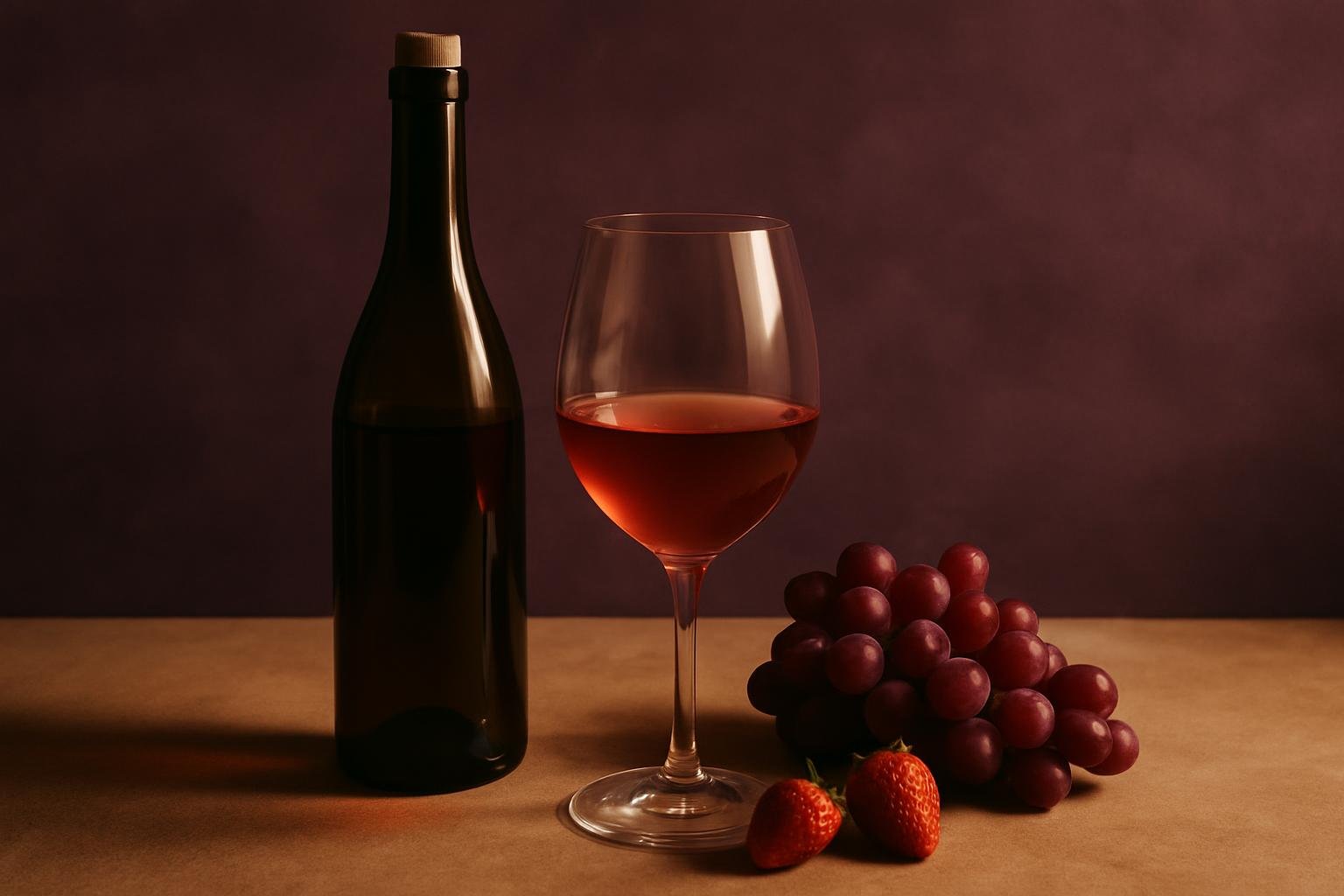
Strawberry, raspberry, red cherry and watermelon, with rose petal, dried herbs and a peppery, savoury finish. It is pale in colour, light in body, soft in tannin and moderate in acid and alcohol. Old-vine versions from South Africa and the Languedoc add a silky texture and earthy depth. As a rosé it is delicate, dry and floral.
| Aspect | Rating out of 5 | Characteristic |
|---|---|---|
| Sweetness | 🍷 | Dry, with fruit so fresh it feels sweet |
| Body | 🍷🍷 | Light and easy, the summer red |
| Tannins | 🍷🍷 | Soft and gentle, nothing to chew on |
| Acidity | 🍷🍷🍷 | Moderate and refreshing |
| Alcohol by Volume | 🍷🍷🍷 | Moderate, usually 12.5–13.5% |
Each wine glass icon is one point on a 5-point scale: one glass is low, five is high, based on the grape’s typical style.
Where It Grows
Southern France above all: it is one of the most-planted grapes in the Languedoc and Provence, where it goes mostly into rosé and blends. Lebanon’s Bekaa Valley makes celebrated old-vine Cinsault, Morocco and Algeria grow a great deal, and South Africa has century-old bush vines in Stellenbosch and the Swartland that are now producing cult single-vineyard reds.
Australia has old Cinsault too, mostly in the Barossa and McLaren Vale, where it was planted in the early 1900s for fortifieds and blends. A new wave of small producers, Brash Higgins among them, is bottling it on its own as a light, chillable red, and it suits our warm regions and our barbecue lifestyle very well.
How to Serve It
Temperature: 12–14°C for the reds, properly chilled. Rosé at 7–9°C.
Glass: a Pinot Noir-style bowl for the reds; our Winewings Pinot glass review covers a good one, or see the glasses roundup.
Decanting: no. It is a fresh, light wine that wants nothing but a chill.
Ageing: drink within three years. Old-vine South African and Lebanese versions can go longer, but freshness is the point.
What to Eat With It
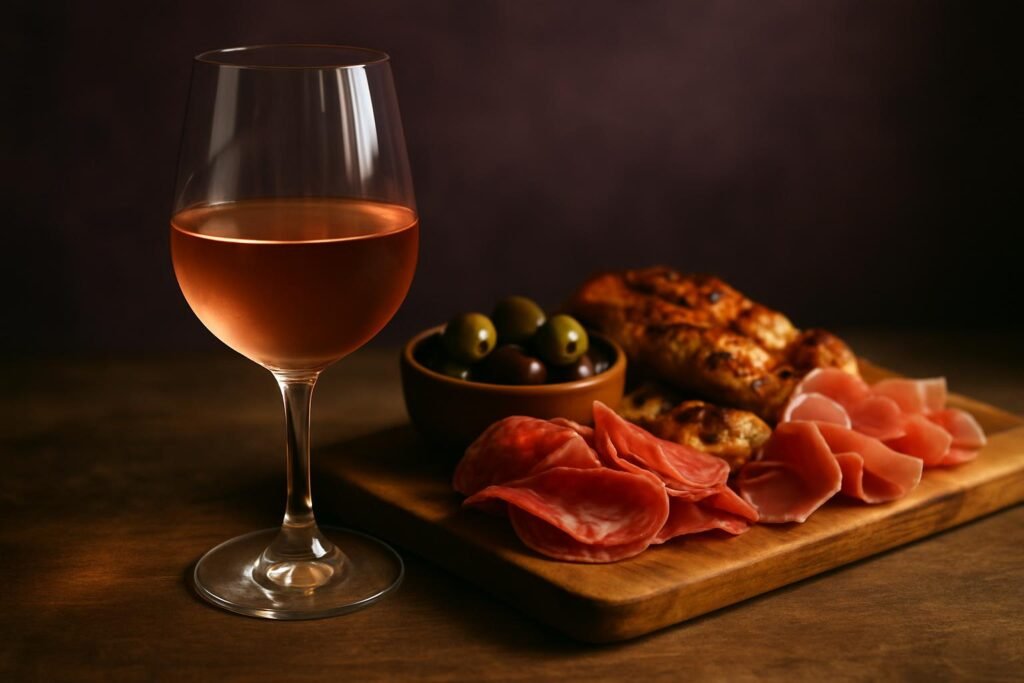
Picnic and barbecue food: charcuterie, grilled chicken, rotisserie chicken, salmon, Provençal vegetable dishes like ratatouille, Middle Eastern mezze and mild spice. As a rosé it handles everything from feta and tomatoes to sushi. More in the pairing guides.
Celebrated Wine Labels
| Wine Label | Country | Style |
|---|---|---|
| Domaine Danjou-Banessy | France | Roussillon old vines, natural and pure |
| Natte Valleij | South Africa | Stellenbosch, single-vineyard Cinsault specialists |
| Domaine des Tourelles | Lebanon | Bekaa Valley old vines, spicy and earthy |
| Brash Higgins | Australia | McLaren Vale, chillable modern style |
| The Sadie Family | South Africa | Swartland, Pofadder is the cult bottle |
Drink One Tonight
No straight Cinsault red was on the shelf at our partner shop when we checked, but this Provence-style rosé is how most of the world actually drinks the grape: a Cinsault-led blend from the Perrin family, owners of Château de Beaucastel.

La Vieille Ferme Rosé
The way Provence and the Rhône drink Cinsault: pale, fresh and cold. When a chillable Cinsault red lands in stock, it joins this one.
- A 40 percent Cinsault blend with Grenache and Syrah, from the southern Rhône
- Made by Famille Perrin of Château de Beaucastel fame
- Pale, dry and delicate, exactly what Cinsault is for
- Picnics, salmon, mezze and warm evenings
- A rosé, not a red; for a Cinsault red you will need a specialist shop
New to Just Wines? The code FIRST20 takes $20 off a first order over $99, so it is worth building a mixed six rather than buying the one bottle. New customers only, and the offer can change without notice.
Frequently Asked Questions
What are some interesting facts about Cinsault?
It is one of the two parents of Pinotage, crossed with Pinot Noir in South Africa in 1925. For decades South Africans called it Hermitage, which is where the “-age” in Pinotage comes from. And it is one of the most heat-tolerant grapes in the world, which is why North Africa and Lebanon grow so much of it.
Is Cinsault a red or white wine?
Red, though a pale one. Much of the world’s Cinsault becomes rosé, and its light colour and soft tannin make it ideal for that. There is no white Cinsault.
To which wines is Cinsault similar?
Pinot Noir and Gamay for weight and freshness, Grenache for its strawberry fruit and warm-climate spice. If you like chilled reds, Cinsault sits happily between the two. Read our Pinot Noir guide for the comparison.
Which country produces the most Cinsault?
France, mostly in the Languedoc and Provence. Morocco, Algeria and South Africa have large plantings, and Lebanon’s old vines make some of the most admired versions. Australia’s share is small but growing.
Is Cinsault known by any other names?
Cinsaut without the L is the same grape. It was called Hermitage in South Africa and Ottavianello in Italy, and you may see Black Malvoisie on old Californian labels.
Cinsault’s most famous child has its own page: see our Pinotage guide.
This post contains affiliate links. If you buy through them we earn a small commission at no extra cost to you. It keeps the wine flowing and the reviews honest.