Heads up: this guide contains an affiliate link. If you buy through it we earn a small commission at no extra cost to you.
Organic wine is made from grapes grown without synthetic chemicals. Biodynamic wine starts there and adds a stricter, stranger set of farming rules based on the ideas of Rudolf Steiner. Think of organic as the rulebook and biodynamic as the rulebook plus a very committed hobby.
Both labels are about the vineyard first and the glass second. If you have ever stared at a shelf wondering whether “biodynamic” means “better”, this guide sorts it out in plain English.
Table of Contents
The Difference in One Paragraph
Organic farming leaves out synthetic fertilisers, herbicides, insecticides and fungicides. Biodynamic farming leaves those out too, then treats the whole farm as one living system. It uses a set of special compost and spray “preparations” and times jobs by the moon and planets. Every biodynamic vineyard is run on organic lines, but only a small share of organic growers go all the way to biodynamic, as Decanter points out.
What Organic Means in the Vineyard
According to Wine Australia, organic grapes are grown without synthetic fertilisers, herbicides, insecticides or fungicides. For a wine to be certified organic, the whole process has to be organic, from growing the vines to bottling the wine.
Getting there is not quick. Under Australian Certified Organic, certification takes three years and involves property testing, a written farming plan and annual audits, based on the Wine Australia organic and biodynamic guide. So an organic label is a paperwork marathon, not a marketing sticker.
Organic also covers the winery in some ways. Preservatives are still allowed, but only at about half the amount permitted in conventional wine, so you will see sulphur dioxide (preservative 220 on Australian labels) used with a lighter hand.
What Biodynamic Adds
Biodynamic farming comes from Steiner’s work in the early 1900s. The vineyard should be as self-sustaining as possible, with few outside inputs. The big difference is the nine preparations, numbered 500 to 508, which are made from manure, fermented herbs and minerals.
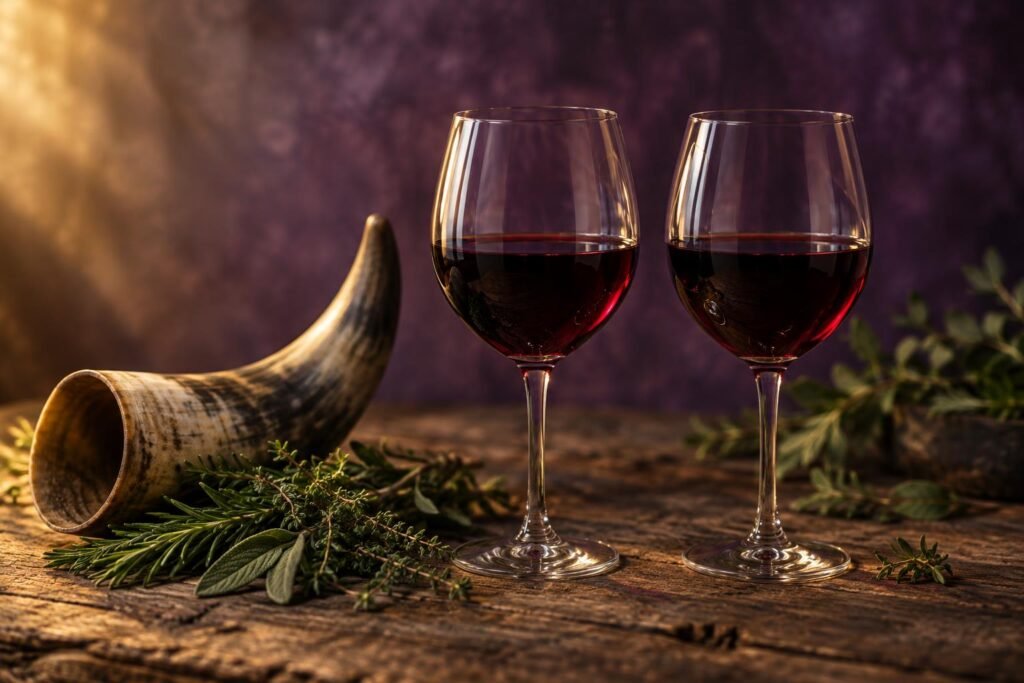
The best known is preparation 500. Cow manure is buried in a cow horn for months, then mixed with water and sprayed on the soil. Yes, really. Growers also follow the lunar cycle for jobs like pruning and harvesting.
Certification usually comes from Demeter, and many French producers also use Biodyvin. According to Decanter, both have rules that are stricter than organic alone, such as lower copper sulphate use per hectare and the use of natural yeasts.
Organic vs Biodynamic at a Glance
| Organic | Biodynamic | |
|---|---|---|
| Synthetic sprays and fertilisers | Not allowed | Not allowed |
| Special preparations (500 to 508) | No | Yes, nine of them |
| Moon and planet timing | No | Yes |
| Typical certifier in Australia | Australian Certified Organic | Demeter |
| Preservative levels | About half the conventional limit | Stricter again under Demeter and Biodyvin rules |
| How common | More common | Only a small share of vineyards |
Does It Taste Different?
Short answer: maybe, but the evidence is thin.
Here is where the marketing gets ahead of the evidence. Fans of biodynamics say it gives clearer fruit and a stronger sense of place. Decanter notes that these are claims rather than proven results, and that the final wine still depends on the winemaker’s skill.
So treat the label as a clue about how the vines were looked after, not a promise about flavour. A careful grower makes good wine under any badge, and a careless one can ruin the best soil.
Does Organic Mean Vegan, Natural or Sulphite-Free?
No to all three. Wine Australia says organic wines may still be fined with milk protein, egg white, gelatine or fish-derived agents, so check our guide on whether wine is vegan. Organic and biodynamic wines also still contain some sulphur dioxide. And “natural” has no legal definition, which we cover in what natural wine really is.
How to Read the Label
Labels are where the confusion starts, because “organic” is easy to print and hard to earn. A few habits help you tell the real thing from the wishful thinking.
- Look for a certifier logo, such as Australian Certified Organic or Demeter, rather than the word “organic” in a font the size of a billboard.
- Wine Australia says certified organic means the whole process is organic, so a wine that only boasts about its vineyard is telling half the story.
- Remember that certification involves annual audits, so a current certificate matters more than an old logo on a back label.
- If a wine claims to be vegan, look for that on the label separately.
Drink One Tonight: An Organic Barossa Shiraz
If you want to taste what all the fuss is about, start with a bottle from a grower that has done the hard yards. Wine Australia says the Kalleske family’s roughly 150-year-old Barossa vineyard moved to biodynamics in the 1990s and became the first certified organic and biodynamic vineyard in the Barossa. Their Moppa Shiraz is labelled organic and is in stock as we write.

Kalleske Moppa Barossa Valley Organic Shiraz 2024
A generous Barossa Shiraz from a family estate that farms organically. Pour it with sausages, lamb or hard cheese. Our Shiraz guide has more on the grape.
- Certified organic Barossa red
- Classic ripe Barossa Shiraz style
- Easy with barbecue and roast meats
- Full-bodied, so not for light red fans
- Stock moves quickly
Frequently Asked Questions
Is biodynamic wine also organic?
Usually, yes. Biodynamic farming uses organic methods and adds its own preparations and rules. Some biodynamic producers are uncertified, and others hold only organic certification, so look for the logo.
Is biodynamic wine better than organic wine?
There is no independent proof that it is. Supporters describe clearer fruit and more character, but the quality of the wine depends mostly on the grower and the winemaker.
Is organic wine free of sulphites?
No. Sulphur dioxide forms naturally during fermentation, and organic certification allows added preservative at about half the conventional limit.
Who certifies organic and biodynamic wine in Australia?
Australian Certified Organic is the largest certifier, and the Demeter mark is used for biodynamic. Certification under the organic scheme takes three years.
Is organic wine healthier?
The evidence is about how the grapes are farmed, not about what is in your glass. Alcohol is still alcohol, so check our wine calorie calculator and keep to the national guidelines.
Do I need to pay more for organic wine?
Not always. Plenty of organic bottles at Just Wines start at around $13, so you can try one without much risk.
This post contains affiliate links. If you buy through them we earn a small commission at no extra cost to you. It keeps the wine flowing and the reviews honest.