Heads up: this guide contains an affiliate link. If you buy through it we earn a small commission at no extra cost to you.
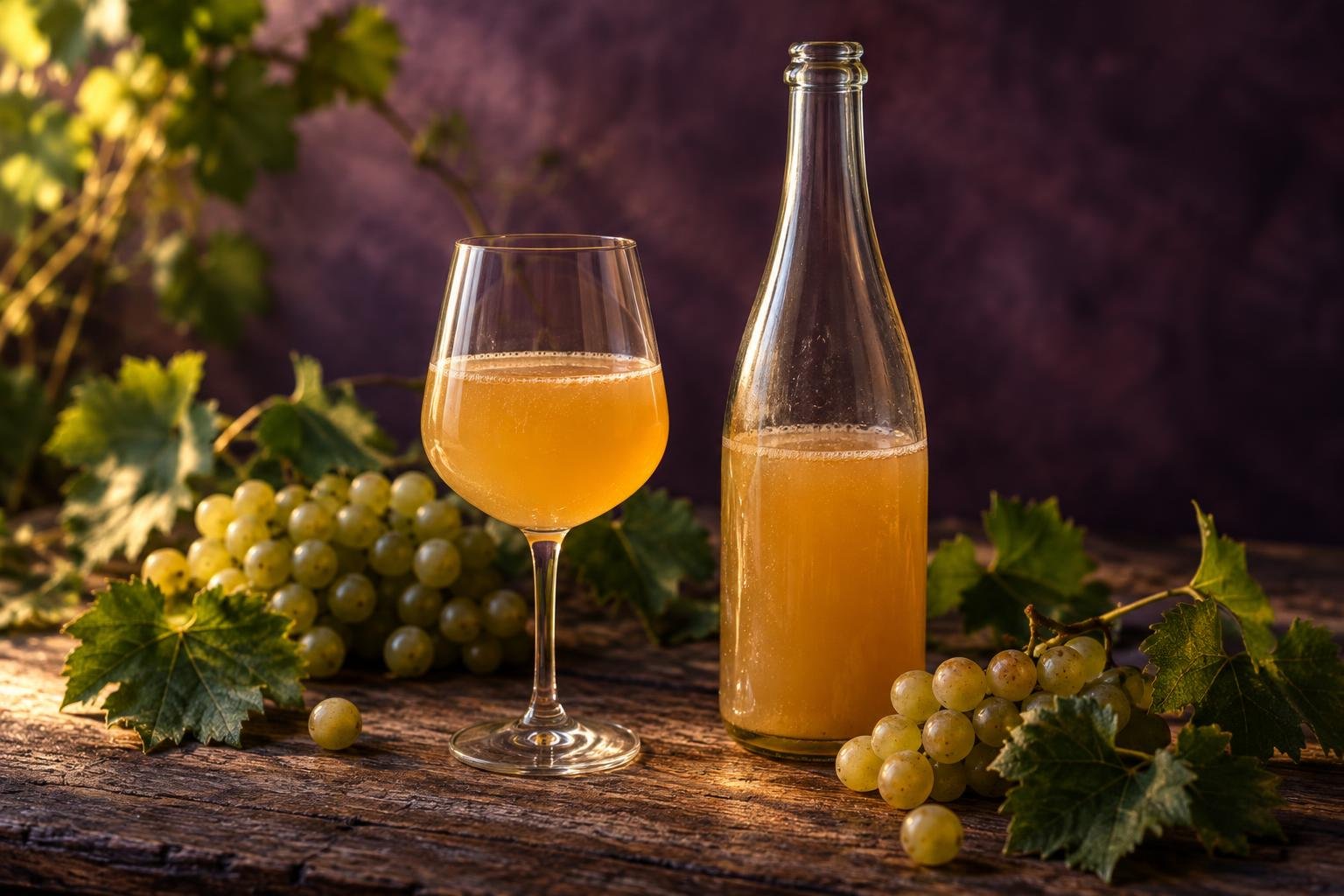
Natural wine is wine made with as little fiddling as possible: grapes grown without chemicals, fermented with wild yeast, and bottled with little or nothing added. There is no legal definition, so the label means whatever the maker says it does.
That is the whole idea, and also the whole argument. Some bottles are bright and lively. Others smell like a farm gate on a hot day. Here is how to tell what you are holding.
Table of Contents
The Short Answer
Think of natural wine as the sourdough of the wine world. Same basic ingredients, fewer shortcuts, and a lot more personality. Most makers agree on three things:
- The grapes are farmed organically or biodynamically.
- The grapes are picked by hand and fermented with the yeast already living on them.
- Little is added and little is taken out. Sulphur is the one additive many makers still allow, in small amounts.
What the Rules Say (and Do Not Say)
Here is the catch. Natural wine has so far defied every attempt at a legal definition, and Wine Australia calls it an unofficial term for low-intervention wines with few additives.
To fill the gap, Decanter wrote its own charter for judging natural wines. It asks for organic or biodynamic farming, hand picking, wild yeast, no enzymes, no fining and no or light filtration. Total sulphur dioxide must stay at or under 70 mg/l.
That is one magazine’s yardstick, not a law. Another maker may draw the line somewhere else, which is why it pays to read the back label and ask questions.
Natural, Organic and Biodynamic: What Is the Difference?
| Term | In the vineyard | In the cellar | Is it regulated? |
|---|---|---|---|
| Organic | No synthetic fertilisers, herbicides, insecticides or fungicides | Certified wines can still use preservatives, at roughly half the usual levels | Certification is mandatory for export, and claims at home must be backed up |
| Biodynamic | Organic farming plus the lunar cycle and fermented herbal and mineral preparations | Varies by maker | Varies by certifier |
| Natural | Usually organic or biodynamic | Wild yeast, minimal additives, often unfiltered | No legal definition |
The short version: natural wines are usually organic, but organic wines are not always natural. Neither word means vegan, either. Some organic wines are fined with egg, milk, gelatin or fish products.
In Australia, organic claims on wine sold at home do not have to be certified, but the maker must be able to prove them. So a label is a clue, not a guarantee.
What Does Natural Wine Taste Like?
Expect a wider range than you get from a mainstream bottle. Wild yeast can add savoury, tangy or funky notes. The fruit is often bright and juicy. Some bottles taste like a seaside orchard, and a few taste like a cider barrel that has had a long week.
Haze and sediment are common because many are unfiltered. Cloudy does not automatically mean faulty; it usually reflects the method. A wine that smells like nail polish or rotten eggs is a different story, and you are allowed to take it back.
Natural makers also love orange wine, which is white grapes fermented with their skins. If that sounds fun, our guide to cheese with orange wine is a good next stop. Most natural wines are made dry, but you can read how to spot the exceptions in our guide to residual sugar.
Is Natural Wine Better for You?
Not in any way we can prove. Natural wine is still wine. It has alcohol, calories and the same standard drinks maths as any other bottle. Our wine calorie calculator works on natural wine just as well.
If you like the farming side of the idea, that is a fine reason to buy it. Just do not expect a health halo.
Label Words, Translated
Natural wine labels come with their own vocabulary. Here is a quick decoder:
- Pét nat: short for pétillant naturel, a sparkling wine that finishes its fermentation in the bottle.
- Wild or indigenous yeast: the yeast on the grapes and in the winery, instead of a packet from a supplier.
- Unfined and unfiltered: nothing was used to clear the wine, so it may look hazy.
- Skin contact: the juice stayed with the grape skins for a while, which adds colour, grip and flavour.
- Low intervention: a friendly umbrella term for makers who add and adjust as little as they can.
None of these words is a promise on its own. Together, they paint a good picture of how the wine was made.
How to Buy Your First Bottle
- Look for the words organic, low intervention, pét nat or orange on the label.
- Ask your bottle shop which natural bottle they like best. Staff love this question.
- Chill it a little more than you think. Most of these wines like it cool.
- Serve it in a decent glass. Our wine glasses roundup has options for every budget.
If you are new to all of this, our beginner’s wine guide covers the basics first.
Drink One Tonight
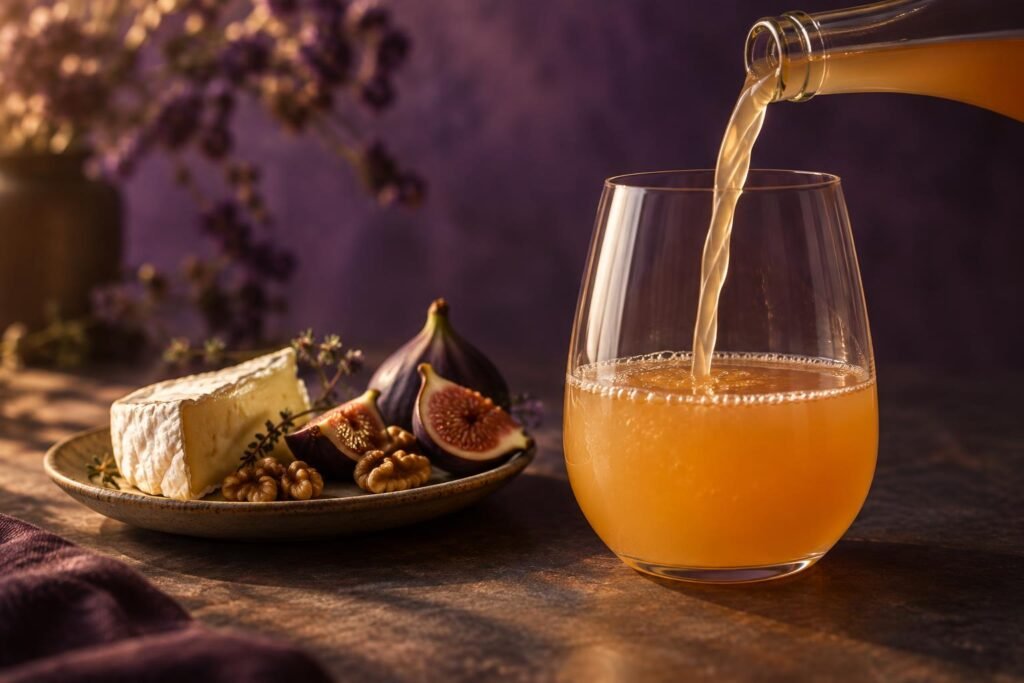
Honesty corner: nobody can sell you officially approved natural wine, because the word has no rules. This pick is from a certified organic producer in Orange, NSW, and is made in a minimal-intervention style, which makes it a fair first taste. It is a pét nat, a sparkling wine finished in the bottle, so open it over the sink and expect a little haze.

See Saw Incubator Orange Organic Party Pet Nat 2024
A small-batch pét nat from See Saw in Orange, NSW. Bright fruit, gentle bubbles and plenty of energy. At $26.99 a bottle it is a low-risk way to find out if natural wine is your thing.
- Certified organic producer
- Lively, lightly textured bubbles
- A fun first taste of the style
- Costs more than supermarket fizz
- Hazy, and each bottle can differ
Frequently Asked Questions
Is natural wine the same as organic wine?
No. Organic is about how the grapes are grown, and it has legal rules. Natural also covers what happens in the cellar, and it has no legal definition. Most natural wines are organic, but plenty of organic wines are not natural.
Does natural wine have no sulphites?
Not always. Many makers add a small amount, and Decanter’s charter allows up to 70 mg/l of total sulphur dioxide. Wines with none added exist, but they are the exception.
Why is natural wine cloudy?
Many natural wines are not fined or filtered, so tiny particles stay in the bottle. It is usually a sign of the method, not a flaw.
Does natural wine taste bad?
It can taste different, which is not the same thing. Expect more funk, tang and texture. If a bottle tastes spoiled, return it.
Is natural wine more expensive?
Often a little, because small makers do more by hand and make fewer bottles. You can still find organic wines at everyday prices to ease in.
This post contains affiliate links. If you buy through them we earn a small commission at no extra cost to you. It keeps the wine flowing and the reviews honest.